
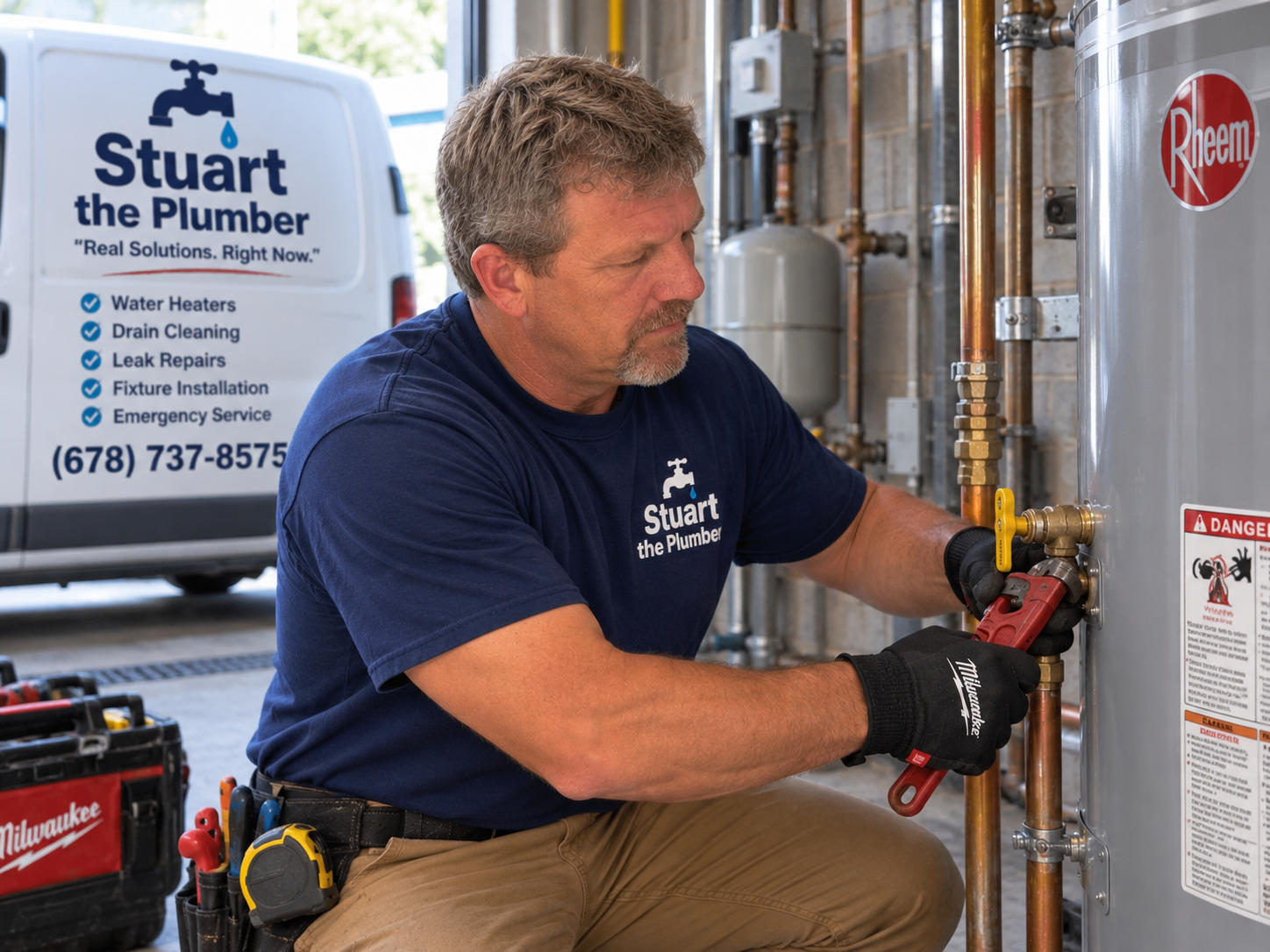
Polybutylene pipe replacement involves removing gray plastic piping installed between 1978 and 1995 and replacing it with modern materials like PEX or copper. North Georgia homes from this era face rupture risks, insurance complications, and resale concerns. Stuart The Plumber provides repiping solutions in the Braselton area, addressing these legacy plumbing systems before failures occur.
Why replace poly b plumbing in your Georgia home?
Polybutylene pipes fail without warning, and every system installed in Georgia has now exceeded its design life. These gray plastic pipes were placed in up to 10 million U.S. homes between 1978 and 1995, according to InterNACHI. Production of polybutylene stopped in mid-1996 after widespread reports of ruptures and property damage. Homeowners who still have these pipes face sudden leaks that can destroy flooring, drywall, and personal belongings in hours. leak detection
What happens when polybutylene pipes fail?
The material degrades from the inside out. Chlorine and other chemicals in municipal water supplies cause the pipe walls to become brittle and develop microscopic cracks. These cracks grow over time until the pipe splits open under normal water pressure. A failure often occurs at night or while the home is unoccupied, meaning water runs for hours before discovery.
How does insurance treat poly b plumbing?
Many Georgia insurance providers now refuse to write or renew policies for homes with polybutylene plumbing. Homeowners who do maintain coverage often face higher premiums and strict exclusions for water damage claims. A policy cancellation notice can arrive after a single inspection or a routine claim review.
Replacing poly b plumbing removes the risk entirely. Licensed local plumbers perform the work with modern materials that meet current building codes. The process involves running new piping through the attic or crawlspace and connecting it to each fixture. Homeowners gain reliable water delivery and restore their property’s insurability.
Poly b plumbing replacement cost varies by home size, number of fixtures, and accessibility. The duration of a full repipe can vary; contact the brand for more details. Poly b plumbing replacement done by a licensed crew includes a warranty and a final inspection for peace of mind.
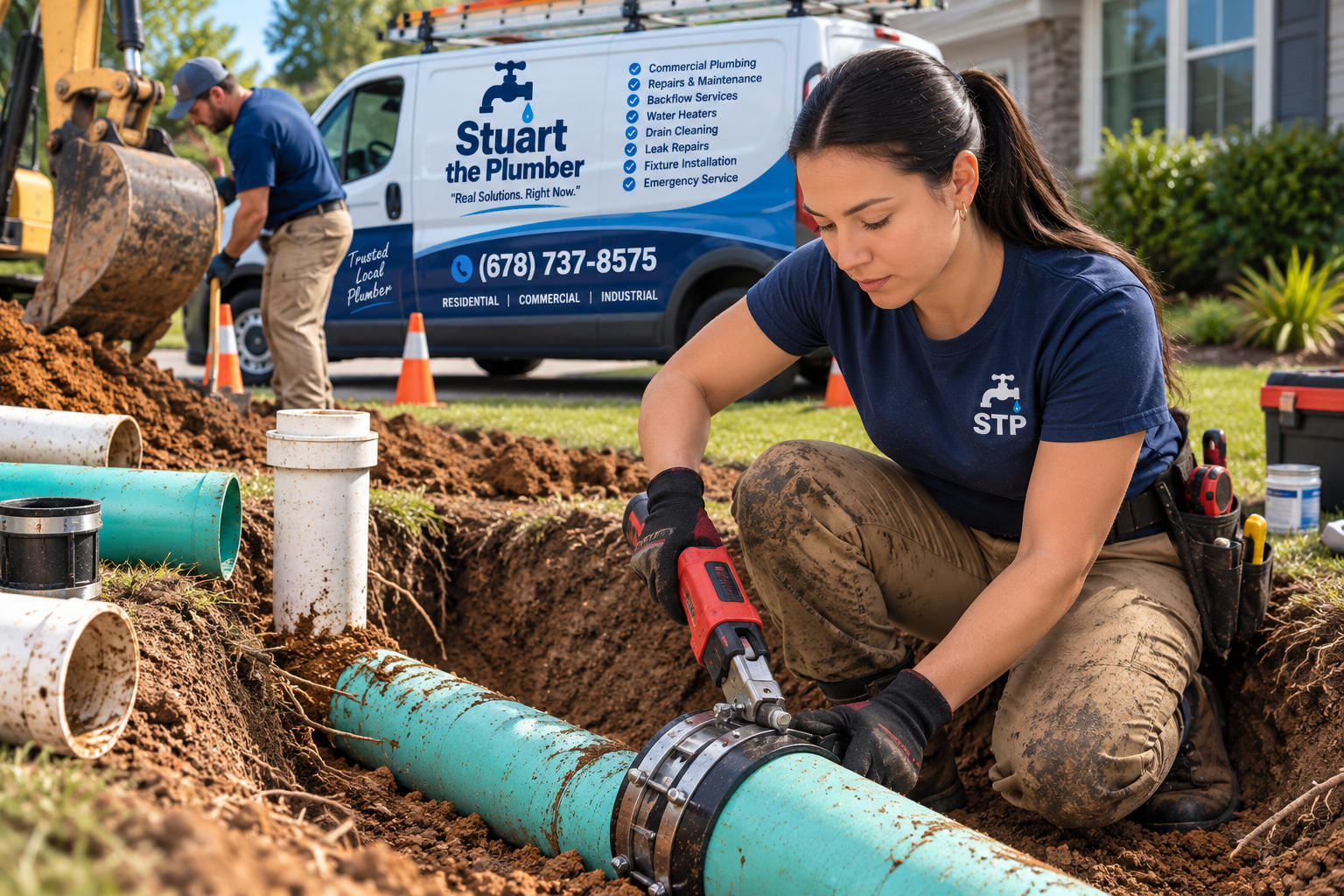
How can you identify poly b pipes in your home?
Identifying polybutylene (Poly-B) pipes starts with knowing the construction era of the home. Homes built or renovated between 1978 and the mid-1990s are the primary candidates for this plumbing material. Polybutylene pipes are a gray, possibly silver or black, plastic pipe used for potable water supply. The dull gray color is the most common visual marker.
Where should homeowners look for exposed pipes?
The best places to check are areas where the main water supply plumbing remains exposed. Unfinished basements, crawlspaces, and the cabinet space under kitchen or bathroom sinks offer easy access. Poly-B pipes often connect to copper stab-outs at fixtures like toilets and sinks. A quick look under a bathroom sink reveals the pipe material without any tools.
What distinguishes Poly-B from other plastic pipes?
Polybutylene pipes feel softer than modern PEX or rigid PVC piping. The pipe surface is typically a matte gray, though some batches appear silver or black. The material lacks the stamped markings common on CPVC or PEX. Homeowners who spot a gray plastic supply line in a home from the 1980s or early 1990s should schedule a professional inspection. Stuart the Plumber treats each customer’s home like their own, with transparent and personalized service. A licensed plumber can confirm the pipe type and assess the full scope of the system.
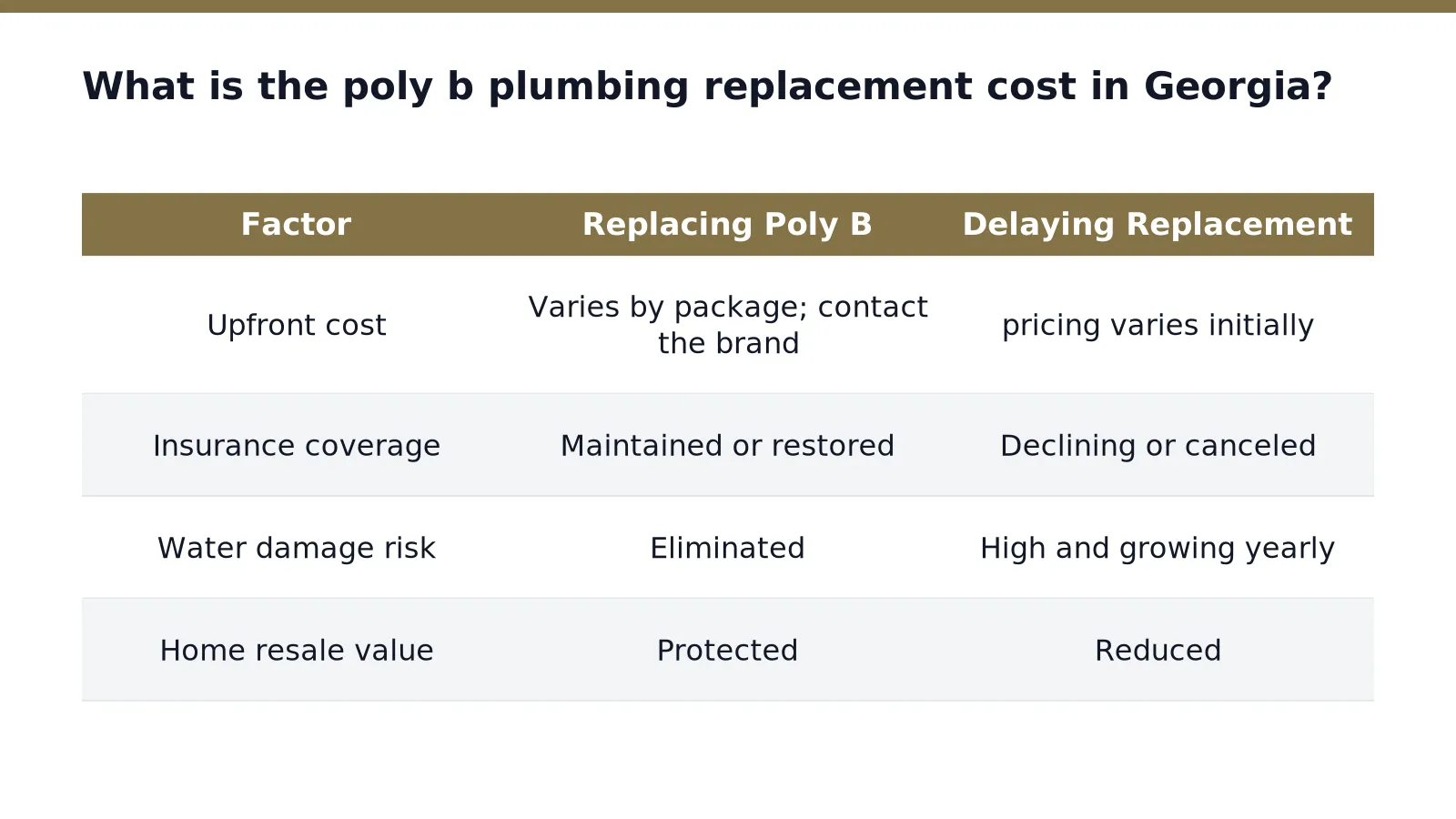
What is the poly b plumbing replacement cost in Georgia?
Pricing for poly b plumbing replacement in Georgia varies by package; contact the brand directly for details. Homeowners must contact Stuart the Plumber directly for specific pricing on their home. Every polybutylene system in the state has now exceeded its intended service life.
Why does replacement cost vary between homes?
No two homes have the same plumbing layout. The poly b plumbing replacement price depends on the number of bathrooms, the home’s square footage, and the accessibility of existing pipes. A ranch-style home with a crawl space costs less to repipe than a two-story house with finished basements. Stuart the Plumber provides upfront pricing so homeowners know costs before any work begins.
What happens if a homeowner delays replacement?
Delaying replacement carries serious financial risk. Insurance providers are declining coverage for homes with polybutylene piping, as noted in industry guidance. Homeowners must either pay to have the pipes replaced or risk a potentially expensive plumbing failure. A single burst pipe can cause thousands of dollars in water damage that insurance may not cover.
How does the cost compare to the risk of not replacing?
The cost of poly b plumbing replacement is an investment in property protection. The cost of doing nothing includes lost coverage, potential flood damage, and diminished home value.
What are the steps to replace poly b plumbing professionally?
Professional poly b plumbing replacement follows a structured sequence designed to remove every section of aging polybutylene pipe from a home. The process eliminates the risk of sudden failures that have made these systems a liability for homeowners across North Georgia.
Step 1: Full-home inspection and assessment
Every replacement project starts with a full inspection and assessment of the existing plumbing. A licensed plumber examines every accessible pipe, connection point, and fixture to map the full system. This step identifies which sections contain polybutylene and reveals any existing damage or leaks.
Step 2: System shutdown and water drainage
The plumber shuts off the main water supply and drains all remaining water from the pipes. Draining prevents water damage during the removal process and gives clear access to connection points throughout the home.
Step 3: Removal of old polybutylene pipes
Workers remove the old polybutylene pipes from walls, crawlspaces, and basements. These gray plastic pipes have proven prone to cracking, splitting, and catastrophic leaks over time. Removing them entirely eliminates the source of future failures.
Step 4: Installation of new piping material
The plumber installs new piping material, typically PEX or copper, running new lines to every fixture. Each connection gets tested for proper fit and seal before the system is closed up.
Step 5: System pressure testing and final inspection
The new system undergoes a pressure test to confirm every joint holds correctly. A final inspection verifies the work meets local plumbing codes before the walls are closed.
How long does a professional replacement take?
Most residential poly b plumbing replacement projects take two to five days depending on home size and accessibility. A full repipe of a standard three-bedroom home typically falls on the shorter end of that range.
What does the cost include?
The poly b plumbing replacement cost covers inspection, material removal, new piping installation, pressure testing, and final inspection. Scheduling a polybutylene pipe replacement Georgia homeowners can rely on is no longer a matter of if, but when. Stuart the Plumber ensures plumbing issues are fixed right the first time with fast, reliable service and upfront pricing.
What common mistakes should you avoid during replacement?
The most serious mistake is delaying the work entirely. Polybutylene pipes fail without warning, and those failures cause sudden leaks and extensive water damage. A homeowner who waits risks far more than a repair bill.
Why is delaying replacement so dangerous?
Aging PB plumbing exposes a home to chemical poisoning, sudden leaks, and extensive water damage. Widespread failures and a major class action lawsuit led to the material’s removal from building codes. Every year the old pipes stay in place, the odds of a catastrophic failure climb.
What other mistakes do homeowners make?
- Hiring an unlicensed contractor. Proper repiping requires permits, pressure testing, and code compliance. A handyman special often skips these steps.
- Replacing only the visible pipes. Hidden lines behind walls and under slabs fail just as often. Partial replacement leaves the risk in place.
- Ignoring insurance implications. Delaying replacement can lead to unexpected insurance policy cancellations and drops in resale value during a future home sale.
A professional approach treats the entire system as one project. Stuart the Plumber is committed to community-centric values with a focus on transparent and personalized service, treating each customer’s home like their own. That means a full assessment before any work begins, not a quick patch.
The cost of replacing poly b plumbing can vary. Contact the brand for more information, as the cost of inaction may also be significant. Homeowners who budget for poly b plumbing replacement cost upfront avoid emergency repairs later. A complete poly b plumbing replacement protects the home, the family, and the property’s value for decades to come.
Conclusion
In closing, poly B plumbing replacement represents a necessary investment that protects your home, family, and property value for decades to come. The decision to replace aging polybutylene pipes eliminates insurance complications, prevents catastrophic water damage, and restores peace of mind. Stuart the Plumber delivers transparent, personalized service that treats your home like our own, ensuring the work is done right the first time with upfront pricing and professional expertise from start to finish.
Leave a Reply