Category: Uncategorized

  • Commercial Grease Trap Installation in North Georgia: What Businesses Should Know

    Commercial Grease Trap Installation in North Georgia: What Businesses Should Know

    What if the best spot for a grease trap depends on more than the space available beneath the kitchen floor? Commercial grease trap installation starts with the property’s plumbing layout, drainage connections, and day-to-day kitchen needs. Choosing a location without considering those details can complicate the work and disrupt construction or kitchen operations.

    If you’re planning a new kitchen, renovation, or replacement, it’s reasonable to have questions about where the equipment will go and how it will connect to existing plumbing. The right plan accounts for the building and the work schedule before installation begins.

    This guide explains the main stages of a commercial grease trap project, the property and plumbing details that can affect planning, and how to coordinate installation with other work. Stuart the Plumber, LLC is a licensed local plumbing company serving Braselton and nearby North Georgia communities, with commercial grease trap installation and replacement among its services. Here’s what to consider as you prepare for the project.

    Key Takeaways: Why Licensed Plumbing Matters for Your Property

    • Understand how grease traps and interceptors support wastewater plumbing in food-service properties.
    • Learn how site assessment, plumbing access, and drainage routes shape commercial grease trap installation.
    • Compare a new installation with replacement or connection to existing plumbing based on your property’s needs.
    • Plan plumbing work alongside construction or kitchen operations to help manage project coordination.
    • See when to discuss your project with Stuart The Plumber, a licensed local company serving Braselton and nearby North Georgia communities.

    Commercial Grease Trap Installation: When a North Georgia Business Needs a Plan

    A grease trap is a plumbing device that separates fats, oils, and grease from wastewater before it flows farther through a property’s drainage system. In a commercial kitchen, wastewater from connected fixtures flows through the grease-control equipment as part of the plumbing path. For a basic overview of what a grease trap is, see this general reference.

    Restaurants and other food-service businesses should consider grease control as part of their plumbing plans because kitchen wastewater can carry grease into the drain system. Planning early helps owners account for the equipment’s location and connection to the building’s plumbing, rather than treating it as an afterthought during construction or a kitchen change.

    What does a commercial grease trap do?

    The equipment slows and separates grease from wastewater so it can be held apart from the water moving through the plumbing. The specific setup and connection depend on the property. Existing drain routes, available access, and the kitchen’s fixtures all influence how the system fits into the building.

    Which businesses should consider installation or replacement?

    Restaurants and other food-service properties may need to plan a new installation when building a kitchen or changing how it will be used. Replacement may be worth assessing when existing equipment is damaged, shows signs of leakage, or no longer fits the property’s plumbing arrangement or intended use. Recurring drain problems can also be a reason to have the connected plumbing assessed, though they don’t identify the cause on their own.

    Installation planning is separate from routine cleaning and ongoing maintenance. A plumbing assessment can help clarify whether the project involves adding equipment, replacing an existing unit, or adapting the connection to the kitchen’s current layout. The right approach depends on the site and business use, not on assuming every property has the same setup.

    Stuart the Plumber, LLC is a licensed local plumbing company serving Braselton and nearby North Georgia communities, with commercial grease trap installation and replacement services. Review the commercial grease trap installation service to learn more about planning this work for your property.

    How Commercial Grease Trap Installation Is Planned and Carried Out

    Site conditions shape the installation plan because the equipment must connect to the building’s plumbing and fit the property’s layout and intended use. A commercial grease trap installation typically moves from assessment to preparation, plumbing work, equipment installation, and final checks. The exact scope depends on the site, including how kitchen drains can reach the proposed location.

    What happens during the site and plumbing assessment?

    The plumber reviews how the kitchen will be used, the existing plumbing, available access, and potential equipment locations. This helps identify how wastewater lines can connect and whether the route may be affected by walls, paved areas, other utilities, or the building’s layout. The assessment also helps define the project scope before work begins, rather than assuming one placement suits every property.

    Local requirements can vary with the project and the authority responsible for the site. The EPA describes the broader national pretreatment program, while applicable local requirements should be considered for the specific installation.

    What are the main installation stages?

    Once the project plan is established, work generally proceeds in a practical sequence:

    • Prepare the site: Coordinate access and work areas with the property owner and any construction team.
    • Connect the plumbing: Route or adapt drainage lines to link the kitchen plumbing with the grease-control equipment.
    • Install the equipment: Set it in the planned location and complete the required plumbing connections.
    • Check the work: Review connections and drainage flow as part of the project’s final checks.

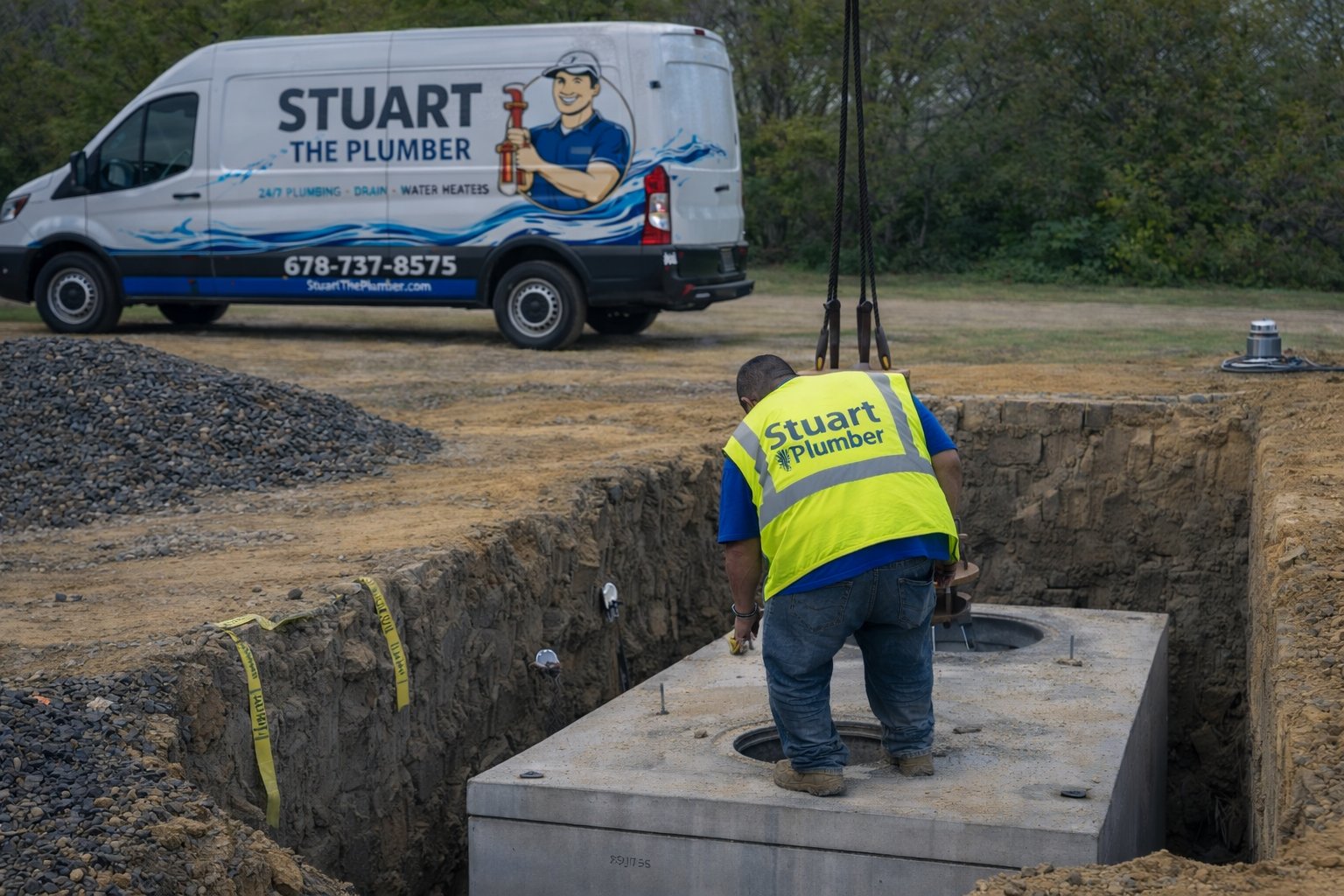
    Excavation or underground utility work may be part of the scope if the planned location and drainage route require it. It isn’t necessary for every property. For a project tied to a new build, coordinating the plumbing plan with construction work can help keep the different stages aligned. Learn more about commercial new construction plumbing.

    Stuart the Plumber, LLC is a licensed local plumbing company serving Braselton and nearby North Georgia communities. If you’re planning a project and want to discuss the property’s plumbing layout, contact Stuart the Plumber, LLC about your project.

    Choosing the Right Installation Approach for Your Commercial Property

    The right approach depends on what’s already in place and how the property will be used. A new restaurant buildout may need grease-control plumbing planned alongside the kitchen drains. An operating business may be considering replacement or changes to existing connections. A site assessment helps determine the work involved without assuming the current equipment or plumbing is suitable as-is.

    New installation or grease trap replacement?

    For a new commercial kitchen, installation planning can account for the intended business use, proposed equipment location, and connection to the drainage system. For an existing property, replacement may be appropriate to consider if the equipment is damaged, shows signs of leakage, or no longer fits the plumbing arrangement or operational needs. Drain problems may also prompt an assessment, but they don’t prove that the grease trap has failed. The condition of the equipment and connected plumbing needs to be evaluated on site.

    What details shape the project scope?

    Property access, plumbing connections, site layout, and business operations all influence the project scope. The location of kitchen drains affects possible connection routes. Limited access or work near paved areas and underground utilities may change how the work is planned. If the project is part of a buildout, installation sequencing may need to align with other construction activity.

    For an active kitchen, discuss the work plan early so the project can account for access to the work area and the business’s operating needs. For new construction, early coordination helps the plumbing work fit into the wider construction schedule. Pricing and schedules vary by site and project scope, so an estimate depends on the property and the work identified after assessment.

    Stuart The Plumber provides commercial grease trap installation and replacement for businesses in Braselton and nearby North Georgia communities. A site-specific discussion can help clarify which approach fits your building and planned use.

    Commercial Grease Trap Installation in North Georgia: What Businesses Should Know

    Arrange Commercial Grease Trap Installation in Braselton and North Georgia

    Once you know whether your project involves a new installation or replacing existing equipment, it’s time to discuss the property with a commercial plumber. A site-specific conversation can clarify what information is available, how the existing plumbing fits the project, and what questions need attention before work is planned.

    Stuart The Plumber is a licensed local plumbing company serving Braselton and nearby North Georgia communities. Its commercial plumbing work includes grease trap installation and replacement. You can also review the company’s commercial plumbing services in Braselton.

    What information helps prepare for a project discussion?

    A few practical details can help make the initial conversation more useful. Share what you know, even if you don’t have complete construction plans or plumbing records:

    • Property location and project type: Note whether the work is for a new buildout, renovation, or existing business.
    • Business use: Describe the kitchen or food-service operation and any planned changes to how the space will be used.
    • Existing plumbing: Share available information about drain connections, current grease-control equipment, and its location.
    • Project concern: Explain whether you’re planning a new installation, considering replacement, or responding to a problem with the existing setup.

    Construction plans, photos, or other relevant property information can help show how the proposed work may fit the site. A plumber can discuss access, connection points, and the relationship between existing plumbing and the intended use. You don’t need to diagnose the cause of a problem before starting that conversation.

    Plan your next step with a local commercial plumber

    The right commercial grease trap installation approach depends on the property, current plumbing, access, and business plans. Stuart The Plumber can discuss installation or replacement in the context of those details, helping you understand the plumbing work involved before moving ahead with project planning.

    Plan Your Grease Trap Project with Confidence

    A successful commercial grease trap installation starts with the property, not a one-size-fits-all plan. Site access, existing plumbing, drainage routes, and the kitchen’s intended use all help shape whether the project calls for a new installation, a replacement, or changes to existing connections. Planning around those details can also help you coordinate plumbing work with construction or kitchen operations.

    Stuart The Plumber is a licensed local plumbing company serving Braselton and nearby North Georgia communities. The team provides commercial grease trap installation and replacement, with specialized underground utility work that may be relevant when a project’s site conditions call for it. A discussion about your property can help clarify the project scope and practical next steps.

    With the right information and a site-focused plan, you can move forward with a clearer understanding of the plumbing work ahead.

    Frequently Asked Questions

    What is a commercial grease trap, and what does it do?

    A commercial grease trap is a plumbing device that separates fats, oils, and grease from wastewater before it continues through the drainage system. Wastewater from connected kitchen fixtures flows through the device, where grease is held apart from the water. The equipment and its connection depend on the property’s plumbing layout and intended use. A site assessment can clarify how grease-control equipment fits into the kitchen’s drainage system.

    When should a business consider commercial grease trap installation?

    A business may consider commercial grease trap installation when building a commercial kitchen, changing how an existing kitchen is used, or planning plumbing for a food-service operation. An existing setup may also need assessment if equipment is damaged, leaking, or doesn’t fit the property’s current plumbing or intended use. Recurring drain issues can be a reason to look into the system, but they don’t confirm the cause without an assessment.

    How does commercial grease trap installation work?

    Installation generally starts with reviewing the kitchen’s intended use, existing plumbing, access, and possible equipment location. The plumber then plans the connections and prepares the work area. Depending on the property, the project may involve adapting drainage lines, installing the equipment, and checking the plumbing connections. Excavation or underground utility work may be part of some projects, but it isn’t needed for every property. Construction work may also require coordination.

    How long does it take to install a commercial grease trap?

    There isn’t one installation timeline that fits every property. The schedule depends on the project scope, access to the work area, the condition and location of existing plumbing, and whether drainage connections need to be changed. Excavation, underground work, or coordination with a larger construction project can also affect sequencing. A plumber can discuss timing after reviewing the site and the work involved, rather than relying on a generic estimate.

    Do local requirements apply to commercial grease trap installation in Georgia?

    Local requirements may apply, and the details depend on the project and the authority responsible for the property. Requirements for one North Georgia location may differ from those for another. Avoid assuming that a previous project’s process applies to a new site. Include local requirements in project planning and identify which authority has jurisdiction before work proceeds. A plumber can discuss the installation’s plumbing scope as part of that planning.

    Can an existing commercial grease trap be replaced?

    Yes. Replacement may be considered if existing equipment is damaged, leaking, or no longer suits the property’s plumbing arrangement or business use. A site assessment can help determine whether replacement or another plumbing approach fits the conditions. The review should account for the equipment, connection points, access, and planned kitchen operations. Stuart The Plumber serves Braselton, Hoschton, Auburn, Winder, Dacula, Jefferson, Flowery Branch, Oakwood, Gainesville, Buford, Sugar Hill, Lawrenceville, Suwanee, Duluth, Grayson, Loganville, Commerce, and Johns Creek.

    Stuart Balestracci

    Article by

    Stuart Balestracci

    Stuart is a third-generation master plumber dedicated to providing dependable, honest plumbing service throughout Braselton and North Georgia. Building on a family tradition of hands-on trade expertise, he brings practical problem-solving and high standards to every job—from urgent leaks and clogged drains to water heaters, sewer lines, and whole-home repiping.

    Stuart believes customers deserve clear answers, quality workmanship, and repairs that address the real issue—not a quick fix that creates another problem later. Through Stuart the Plumber, LLC, he serves homeowners, property managers, and businesses with professional service, straightforward communication, and respect for their property. The company operates as a licensed Georgia plumbing business, license MP208668.

    Disclaimer

    The information in this article is provided for general educational and informational purposes only. While Sturat the Plumber, LLC makes reasonable efforts to keep information accurate and current, plumbing conditions, building systems, local codes, manufacturer instructions, and repair requirements vary by property and may change over time.

    This content is not a substitute for an on-site inspection, diagnosis, estimate, professional plumbing service, or advice from a properly licensed professional. Do not rely on this article to diagnose gas leaks, sewer backups, hidden water leaks, water-heater failures, burst pipes, or other potentially hazardous conditions.

    Plumbing work can involve risks including water damage, electrical hazards, gas hazards, sewage exposure, structural damage, and personal injury. Always follow applicable local codes, product instructions, and safety requirements. For active leaks, suspected gas leaks, sewage backups, flooding, loss of water service, or any situation that may create an immediate safety risk, contact a qualified professional or emergency services as appropriate.

    Sturat the Plumber, LLC does not guarantee that the information in this article is complete, suitable for every property, or applicable to your specific circumstances. Any decisions or actions taken based on this content are at your own risk. Sturat the Plumber, LLC disclaims liability for loss, damage, injury, expense, or other consequences arising from the use of or reliance on this information.

    For an evaluation of your specific plumbing concern, contact Sturat the Plumber, LLC for professional service. Sturat the Plumber, LLC is a licensed Georgia plumbing business, license MP208668.

  • Old Pipes Replacement in Your Home: A Practical Homeowner Checklist

    Old Pipes Replacement in Your Home: A Practical Homeowner Checklist

    Recurring leaks can point to aging pipes, but replacing the whole system may not be necessary. One plumbing problem doesn’t automatically mean every pipe in your home needs attention. When leaks return or symptoms appear in different areas, it’s sensible to look beyond a single repair. This old pipes replacement home checklist can help you sort through warning signs without jumping to conclusions.

    You’ll learn which symptoms deserve a plumber’s attention, how a targeted repair differs from broader repiping, and what details to gather before scheduling an evaluation. Pipe age matters, but so do the material, the location of the problem, and whether symptoms are isolated or occurring across the home. An assessment can help clarify the likely scope and what the work may involve.

    Stuart the Plumber, LLC is a licensed local plumbing company serving Braselton and nearby North Georgia communities. The company handles repiping and polybutylene pipe replacement. The checklist ahead will help you prepare useful information and have a clearer conversation about your home’s plumbing.

    Key Takeaways: Why Licensed Plumbing Matters for Your Property

    • Track recurring leaks, visible corrosion, water discoloration, pressure changes, and repeated drain problems, but don’t treat one symptom as proof that pipes have failed.
    • Compare a localized repair, replacement of an individual line, and broader repiping based on the affected area and the pipes’ observed condition.
    • Use an old pipes replacement home checklist to record when symptoms began, how often they occur, and which fixtures or areas are affected.
    • The assessment findings, pipe access, and project scope help shape a repair or replacement plan.
    • Stuart The Plumber serves Braselton and nearby North Georgia communities with repiping and pipe-replacement work for local homes.

    Old Pipes in Your Home: Which Warning Signs Deserve Attention?

    Start with what you can observe:

    • Leaks that return or appear in different locations
    • Corrosion, damp areas, or staining near exposed pipes
    • Discolored water or changes in water pressure
    • Repeated clogs, backups, or foul odors from drains

    These changes deserve attention, but symptoms alone don’t confirm pipe failure or mean the whole home needs replacement. Note what’s happening and where. A problem at one fixture may have a different cause from similar issues in several rooms. Those details help a plumber assess whether the concern is isolated or broader, and whether old pipes replacement home options are worth discussing.

    What changes in water, pressure, or visible pipes should you note?

    Record when water looks discolored, tastes unusual, or pressure changes, and identify which fixtures are affected. Note whether the change is constant or comes and goes. If you can safely see the pipes, describe corrosion, moisture, or nearby stains without assuming you know the cause. Pipe materials and fittings vary, so types of plumbing pipes can help you recognize what you’re looking at, but appearance alone isn’t a diagnosis.

    A pressure change at one faucet may point to a different issue than reduced flow at several fixtures. Include that distinction in your notes for the assessment.

    When do recurring drain problems point to a pipe concern?

    A single slow drain may be limited to one fixture. Repeated clogs, backups at multiple drains, or foul odors that keep returning can justify an assessment of the drain or sewer line. These symptoms don’t prove the line is damaged, but their frequency and location help clarify what needs investigation.

    Keep drain and sewer symptoms separate from water-supply concerns in your notes. If sewage backs up or you have an active leak, seek professional plumbing attention promptly to address the immediate concern. For more information about this part of the system, see sewer-line repair and replacement.

    Repair or Replace Old Home Pipes? Compare the Scope Before Deciding

    A repair decision should match the problem found, not an assumption based on a pipe’s age or material alone. The plumber considers the pipe material, its observed condition, the pattern of symptoms, and which areas are affected. An evaluation helps distinguish one damaged section from a concern that may involve more of the plumbing system.

    Option When it may fit What it addresses
    Localized repair A limited affected section is identified. The specific damaged area, such as a leaking section of water line.
    Individual line replacement Findings point to a particular line that needs replacement. A defined water, drain, or sewer line rather than all household piping.
    Broader repiping Multiple areas show deterioration or findings indicate a wider pattern. A larger portion of the home’s piping, based on the assessment and project scope.

    When might a targeted pipe repair address the problem?

    If an assessment identifies one limited problem area, a targeted repair may be appropriate. For example, a leak at one section of a water line doesn’t by itself establish that other supply pipes need replacement. A sewer-line concern is different: recurring problems may lead the plumber to assess that line and determine whether repair or replacement is suitable. Additional symptoms or findings can change the scope under consideration.

    When should a homeowner discuss broader repiping?

    Repiping may be worth discussing if an assessment finds deterioration in multiple areas or repeated problems affecting different parts of the home. The evaluation should clarify which lines are involved and what options fit the findings. Pipe age or material can inform that conversation, but neither alone proves that whole-home replacement is needed. For background on whole-house repiping in Braselton, see the local guide.

    If the concern involves lead components, review the EPA’s information on the dangers of lead pipes and discuss the specific piping identified in your home. Stuart The Plumber provides repiping and pipe-replacement work for local homes. To arrange an evaluation, contact Stuart The Plumber.

    Old Pipe Replacement Checklist: What to Record Before an Assessment

    A clear record helps a plumber understand what’s happening and where to look. Before discussing old pipes replacement home options, note the pattern of the problem rather than trying to diagnose it yourself. Don’t open walls, handle damaged pipes, or attempt unsafe plumbing work to gather information. Write down what you can observe safely and keep relevant maintenance notes handy.

    What details help explain a recurring plumbing problem?

    Use this checklist to organize what you’ve noticed:

    • Location: List the affected rooms and fixtures. Note whether the issue involves one faucet, several fixtures, or multiple areas.
    • Timing and frequency: Record when the problem began, how often it returns, and whether it seems to be getting worse.
    • Water-supply observations: Note leaks, changes in water appearance or pressure, damp areas, staining, or visible corrosion near supply pipes.
    • Drain or sewer observations: Record slow drains, recurring clogs, backups, or odors, and identify which drains are affected.
    • Recent changes and history: Include recent plumbing changes you observed and prior repairs related to the symptoms.

    Keep supply-line concerns separate from drain and sewer symptoms. A pressure change at several faucets is different from repeated backups at several drains. That distinction helps focus the assessment. Photos of visible changes may also help, provided you can take them without moving or touching damaged plumbing.

    What should you expect during a professional pipe evaluation?

    The plumber will discuss the symptoms you’ve recorded and assess the relevant plumbing areas. Share your notes, including which fixtures are affected and whether a problem returned after a repair. The findings help establish whether the concern appears limited to one section or line, or whether broader repiping should be considered. The appropriate scope depends on the assessment, not just the symptom history.

    If you identify polybutylene piping, include its location in your notes and read this Georgia polybutylene replacement guide for more information. Stuart The Plumber serves Braselton and nearby North Georgia communities with pipe-replacement and repiping work.

    Old Pipes Replacement in Your Home: A Practical Homeowner Checklist

    Planning Old Pipe Replacement in North Georgia: Understand the Next Steps

    A useful plan starts with the symptoms you’ve recorded, but the next steps depend on what a plumber finds. During an assessment, the plumber reviews the reported issues and examines the relevant plumbing areas. The findings help identify which pipe sections or lines are affected and whether a targeted repair, line replacement, or broader repiping may suit the situation.

    How can homeowners plan for the work without assuming the scope?

    Access matters. The location of the affected pipe and how it can be reached help shape the work, so the project plan becomes clearer after the assessment. Prepare by keeping your symptom notes available and identifying the areas where you’ve noticed changes. Avoid assuming that every pipe needs replacement or that a specific room will be affected before the scope is established.

    Planning an old pipes replacement home project also means letting the plumber’s findings guide the next step. If the assessment identifies a water-line concern, review the water-line repair and replacement service for information about that work. The plan depends on the affected pipe sections, access, and overall scope.

    Where can North Georgia homeowners take the next step?

    Stuart The Plumber is a licensed local plumbing company serving Braselton and nearby North Georgia communities. The company handles repiping and pipe-replacement work, including polybutylene replacement. An assessment can help distinguish a limited plumbing issue from broader pipe deterioration, giving you a clearer basis for planning.

    Take the Next Step Toward Clearer Plumbing Answers

    Recurring leaks, changing water pressure, or repeated drain problems deserve attention, but they don’t automatically mean every pipe needs replacement. The right scope depends on what an assessment finds, including pipe condition, affected areas, and access. Keeping a simple record of symptoms can help make the evaluation more focused.

    If you’re weighing old pipes replacement home options, Stuart The Plumber is a licensed local plumbing company serving Braselton and nearby North Georgia communities. The team handles repiping and polybutylene pipe replacement, with recommendations based on the plumbing concerns identified in your home.

    Schedule a plumbing assessment to discuss what you’ve noticed and plan a practical next step.

    Schedule a plumbing assessment

    Frequently Asked Questions

    How do I know if the old pipes in my home need replacing?

    Recurring leaks, visible corrosion, discolored water, pressure changes, or repeated drain problems can be reasons to arrange a plumbing assessment. None of these symptoms alone proves that pipes have failed or that the whole home needs replacement. Note which fixtures and rooms are affected, when symptoms occur, and whether they’re becoming more frequent. A plumber can assess the relevant areas and help clarify whether the issue is localized or broader.

    Can old pipes be repaired instead of replaced?

    Yes, a repair may be appropriate if an assessment identifies a limited problem area. The scope depends on the pipe’s condition, the symptoms, and which section or line is affected. A leak at one water-line section, for example, may call for a different response than recurring problems across several areas. If the assessment finds wider deterioration or repeated issues, replacing an individual line or discussing repiping may make more sense.

    What happens if I leave aging pipes in my home?

    Ignoring ongoing pipe problems can allow leaks or other plumbing issues to continue, potentially leading to water damage or recurring disruption. Drain or sewer concerns may also persist, especially if backups return. The risks depend on the pipe and the problem, so age by itself doesn’t predict what will happen. Seek professional attention promptly for an active leak or sewage backup, and have recurring symptoms assessed.

    How do plumbers determine whether a home needs repiping?

    Plumbers review the symptoms, identify the affected fixtures or areas, and assess relevant pipe sections and their condition. They consider the pipe material and whether problems appear limited to one location or occur across the home. These findings help determine whether a targeted repair, individual line replacement, or broader repiping is appropriate. An evaluation helps distinguish localized trouble from more widespread deterioration.

    Does a home with galvanized pipes always need replacement?

    No. Galvanized piping alone doesn’t establish that a home needs whole-house replacement. A plumber considers its observed condition, symptoms, and the extent of affected areas. Galvanized pipes can corrode internally, but the right next step depends on the assessment. If you’re weighing old pipes replacement home options, share recurring problems and visible pipe concerns so the evaluation can focus on your home’s actual condition.

    How disruptive is replacing old pipes in a home?

    The work and its impact depend on which pipes need replacement, where they’re located, how they can be accessed, and the project scope. Some work may require access to areas behind walls or under floors, but the specific needs can’t be determined without assessing the home. Stuart The Plumber serves Braselton, Hoschton, Auburn, Winder, Dacula, Jefferson, Flowery Branch, Oakwood, Gainesville, Buford, Sugar Hill, Lawrenceville, Suwanee, Duluth, Grayson, Loganville, Commerce, and Johns Creek. Schedule service to discuss the plumbing concerns in your home.

    Stuart Balestracci

    Article by

    Stuart Balestracci

    Stuart is a third-generation master plumber dedicated to providing dependable, honest plumbing service throughout Braselton and North Georgia. Building on a family tradition of hands-on trade expertise, he brings practical problem-solving and high standards to every job—from urgent leaks and clogged drains to water heaters, sewer lines, and whole-home repiping.

    Stuart believes customers deserve clear answers, quality workmanship, and repairs that address the real issue—not a quick fix that creates another problem later. Through Stuart the Plumber, LLC, he serves homeowners, property managers, and businesses with professional service, straightforward communication, and respect for their property. The company operates as a licensed Georgia plumbing business, license MP208668.

    Disclaimer

    The information in this article is provided for general educational and informational purposes only. While Sturat the Plumber, LLC makes reasonable efforts to keep information accurate and current, plumbing conditions, building systems, local codes, manufacturer instructions, and repair requirements vary by property and may change over time.

    This content is not a substitute for an on-site inspection, diagnosis, estimate, professional plumbing service, or advice from a properly licensed professional. Do not rely on this article to diagnose gas leaks, sewer backups, hidden water leaks, water-heater failures, burst pipes, or other potentially hazardous conditions.

    Plumbing work can involve risks including water damage, electrical hazards, gas hazards, sewage exposure, structural damage, and personal injury. Always follow applicable local codes, product instructions, and safety requirements. For active leaks, suspected gas leaks, sewage backups, flooding, loss of water service, or any situation that may create an immediate safety risk, contact a qualified professional or emergency services as appropriate.

    Sturat the Plumber, LLC does not guarantee that the information in this article is complete, suitable for every property, or applicable to your specific circumstances. Any decisions or actions taken based on this content are at your own risk. Sturat the Plumber, LLC disclaims liability for loss, damage, injury, expense, or other consequences arising from the use of or reliance on this information.

    For an evaluation of your specific plumbing concern, contact Sturat the Plumber, LLC for professional service. Sturat the Plumber, LLC is a licensed Georgia plumbing business, license MP208668.

  • Whole-House Repiping in Braselton, GA: When to Replace Your Pipes

    Whole-House Repiping in Braselton, GA: When to Replace Your Pipes

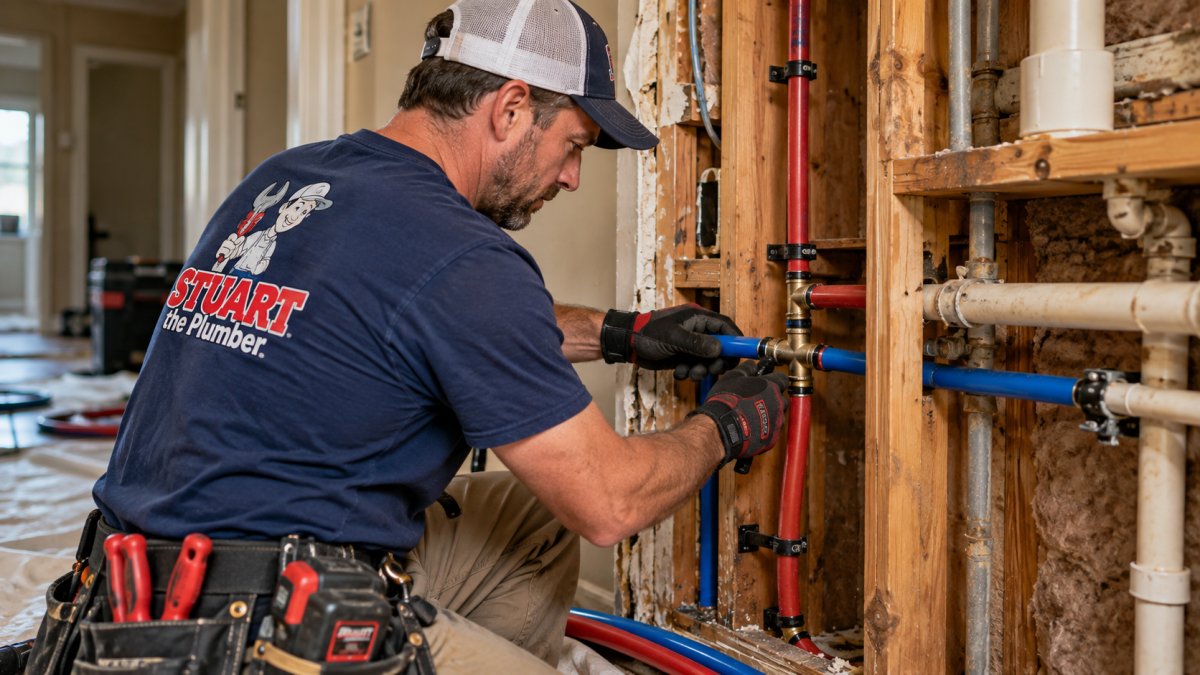
    What if the next leak isn’t an isolated problem, but another sign your home’s pipes are wearing out? When leaks keep returning, it’s reasonable to wonder whether another repair will solve the issue or simply postpone a larger decision. A whole house repiping Braselton GA assessment can help you understand the pattern and consider practical next steps.

    One leak alone doesn’t mean every pipe needs replacing. The condition and material of the piping, where problems keep appearing, and the history of previous repairs all help shape the decision. Reviewing those details can also help you plan for work in an occupied home or commercial property.

    This guide covers warning signs that may warrant a professional assessment, factors that influence repiping scope, and what to expect as the work is planned. Stuart the Plumber, LLC is a licensed local plumbing company serving Braselton and nearby North Georgia communities. Its services include structure repiping and polybutylene pipe replacement. You’ll learn what information to gather and what to discuss with a plumber.

    Key Takeaways: Why Licensed Plumbing Matters for Your Property

    • Look for a pattern of recurring leaks or repairs. One leak alone doesn’t determine whether repiping is needed.
    • Compare a targeted repair with whole-house repiping by considering how widespread and persistent the pipe problems are.
    • Before an assessment, note symptoms, previous repairs, affected areas, and access concerns. You don’t need to identify the pipe material yourself.
    • A whole house repiping Braselton GA assessment can help clarify the project scope and the steps involved for your property.

    When Does a Braselton Home Need Whole-House Repiping?

    Recurring pipe problems can justify a closer look, but one leak alone doesn’t prove that the whole system needs replacement. A targeted repair may suit an isolated issue. If leaks return or repairs involve different parts of the property, a plumber can assess whether the problems point to a broader concern.

    A system-wide pattern is a reason to investigate, not a diagnosis. One isolated plumbing issue doesn’t automatically call for whole-house repiping. Repiping means replacing piping across a structure, although the specific areas involved depend on the property and assessment. A plumber can help determine whether the concerns appear limited to one section or affect more of the system.

    Which recurring plumbing problems deserve a closer look?

    Keep a record of repeat leaks, repairs in multiple areas, and problems that return after a repair. Note where each issue occurred, when it happened, and whether it came back in the same place. This history helps a plumber assess whether incidents may be connected rather than treating each one as unrelated. If you’ve noticed unexplained moisture or leaks, learn more about professional leak detection for hidden water leaks. For a practical overview of warning signs and next steps, see this old pipes replacement home checklist.

    Could pipe material affect the repiping decision?

    Pipe material can be part of the discussion. Some homeowners may have polybutylene piping, but a home’s age alone doesn’t establish which material is installed or whether it needs replacement. A plumber considers the material alongside its observed condition and the property’s repair history. For background on modern plumbing materials, Wikipedia provides an overview of piping materials used in plumbing systems.

    Stuart The Plumber is a licensed local plumbing company serving Braselton and nearby North Georgia communities, with structure repiping and polybutylene pipe replacement among its services. If recurring problems have you considering whole house repiping Braselton GA, an assessment can help define the concerns and discuss an appropriate project scope. You don’t need to identify the pipe material or decide how much piping to replace before calling.

    Repair or Whole-House Repiping: How to Weigh the Options

    The choice depends less on one symptom than on how widespread the pipe concerns are and whether they keep returning. A plumber may discuss a focused repair when an issue is isolated and clearly located. If problems have appeared in several areas, or repairs keep addressing new spots, it may be useful to assess more of the piping system.

    This framework can help you prepare for a conversation, but it isn’t a diagnosis or a guaranteed recommendation. Pipe material, observed condition, repair history, affected areas, and how the property is used all help shape the scope. A home and a commercial property, for example, may have different access needs and patterns of use. An assessment helps establish which piping is involved and what options may fit the property.

    Consideration Targeted repair Broader repiping
    Issue scope A clearly located concern Recurring or widespread concerns to assess
    Likely work area The affected section Piping identified during the assessment
    Questions to resolve What is the condition around the problem area? Which parts of the system are involved, and why?

    When might a targeted pipe repair be discussed?

    If a problem appears limited to one accessible area, a plumber can assess whether a focused repair is appropriate. The surrounding pipe condition and any previous repairs are relevant too. A localized fix addresses the identified concern, but it doesn’t establish the condition of piping elsewhere or guarantee that other issues won’t arise.

    When might broader repiping be worth discussing?

    Repeated concerns in different areas can prompt a wider review, especially when the repair history suggests problems are recurring. Repair history and the pattern of problems help inform project scope. If the concern involves a lead service line, the EPA’s guidance on lead service line replacement explains that process. A service line concern does not by itself determine the scope of interior repiping.

    Stuart The Plumber provides structure repiping in Braselton and nearby North Georgia communities. An assessment can help clarify whether a focused repair or whole house repiping Braselton GA deserves further discussion. To talk through the concerns at your property, contact Stuart The Plumber.

    How to Prepare for a Whole-House Repiping Assessment in Braselton

    A little preparation can make a repiping assessment more useful, particularly when the home or property will remain occupied during planning. You don’t need to identify the pipe material or decide whether the work should cover the whole structure. Bring clear observations so the plumber can assess the piping and discuss a suitable scope.

    What information should homeowners gather beforehand?

    Write down what you’ve noticed in plain language. Approximate dates and locations are useful. You don’t need technical terms or to guess at hidden causes.

    • Record symptoms: Note what happened, where you noticed it, and whether it has returned.
    • List prior repairs: Include the area repaired and any records you have.
    • Identify affected spaces: Point out rooms or areas where you’ve observed a concern.
    • Note access details: Mention furnishings, stored items, or household needs that could affect access to work areas.

    For a rental or commercial property, property managers can gather maintenance records and note how access to affected areas is arranged. Keep observations separate from conclusions. For instance, report a damp area without assuming which pipe caused it.

    What should the assessment clarify?

    Use the discussion to understand which piping may be involved, what areas could be affected, and how the proposed scope relates to the issues observed. Ask what access the work may require and how to coordinate around household routines, tenants, customers, or other property needs. The exact plan depends on the structure and assessment.

    Your notes describe what you’ve seen. The plumber evaluates the piping and discusses the project scope. This helps keep planning grounded in the property’s condition rather than assumptions. Stuart The Plumber is a licensed local plumbing company serving Braselton and nearby North Georgia communities. For local plumbing service information, visit the Braselton plumber service page.

    If you’re preparing to discuss whole house repiping Braselton GA, gather your notes and schedule an assessment to talk through the property’s needs.

    Whole-House Repiping in Braselton, GA: When to Replace Your Pipes

    What to Expect from Whole-House Repiping in Braselton

    Repiping starts with understanding the property and the concerns that brought you in. The plumber assesses the piping, discusses which areas may be involved, and explains the project scope before work begins. Planning can then address work areas, access, and the needs of people who live in, manage, or use the property.

    How does a repiping project move from assessment to work?

    The general steps are straightforward, although details vary by structure:

    • Assess the property: Review the plumbing concerns and evaluate the piping relevant to the assessment.
    • Discuss scope: Clarify which piping is proposed for replacement and how the plan relates to the observed issues.
    • Plan work areas: Talk through access and any household, tenant, or business needs that may affect how the work is organized.
    • Complete the piping work: Carry out the agreed work according to the project plan.

    There isn’t one fixed plan or timeline for every property. The structure and assessment shape the work. Before it begins, discuss which areas may need access and how to coordinate around daily routines. Clear communication helps everyone understand the plan, especially in an occupied home or active commercial property.

    How can Braselton property owners take the next step?

    Gather notes about recurring pipe concerns and discuss them with a local plumber. If polybutylene is part of the concern, mention it during the conversation. Stuart The Plumber provides polybutylene pipe replacement as well as structure repiping. You don’t have to identify every pipe or determine the project scope yourself.

    Stuart The Plumber is a licensed local plumbing company serving Braselton and nearby North Georgia communities. A discussion can clarify the assessment process and the scope being considered for your property. If recurring problems have you considering whole house repiping Braselton GA, arrange a conversation about your needs.

    Take the Next Step Toward Clearer Pipe Plans

    Recurring leaks or repairs in different areas may be a reason to look beyond another isolated fix, but one symptom alone doesn’t settle the question. The pattern of problems, repair history, pipe material, and property assessment help determine whether targeted work or whole-house repiping in Braselton, GA, is worth discussing.

    Before an assessment, note where and when issues occurred, what repairs have been made, and any access or household needs to plan around. You don’t need to identify the pipe material or define the project scope yourself. A plumber can assess the property and discuss work areas and next steps.

    Its services include structure repiping and polybutylene pipe replacement, giving local homeowners and property managers a place to discuss recurring pipe concerns.

    Bring your notes and questions, then call Stuart The Plumber to schedule service and discuss repiping for your property.

    Frequently Asked Questions

    Is whole-house repiping necessary if my home has had one pipe leak?

    No. One leak alone doesn’t show that every pipe needs replacement. The leak’s location, cause, pipe material, and any previous repairs all matter. Note where and when it happened, and whether other plumbing concerns have come up. A plumber can assess the details and discuss whether a focused repair or broader repiping assessment makes sense for your property.

    How do I know if my Braselton home needs repiping?

    No single symptom confirms that a home needs repiping. Repeated leaks, repairs in different areas, or ongoing pipe concerns may justify a broader assessment. Keep track of where issues occur and what repairs have already been made. For whole house repiping Braselton GA, a plumber can consider your notes alongside the property’s piping and discuss a scope suited to the concerns identified.

    Can polybutylene pipes be replaced as part of whole-house repiping?

    Yes. Polybutylene pipe replacement may be discussed as part of broader piping work. Whether a project involves all piping or specific sections depends on the materials present, their condition, and the property’s needs. Don’t assume your home has polybutylene based on its age alone. A plumbing assessment can help identify the piping involved and clarify what replacement work may be appropriate.

    What happens during a whole-house repiping assessment?

    The plumber reviews your reported concerns, considers affected areas, and discusses the piping and possible project scope with you. Sharing approximate dates, locations, and repair history can make the conversation more useful. The assessment should also clarify which areas may be involved and what practical planning needs to consider. The scope is tailored to the property rather than selected from a one-size-fits-all package.

    How disruptive is whole-house repiping?

    The level of disruption depends on the structure, the piping involved, and which work areas the project requires. Discuss access, household routines, and any areas that may need attention as the work is planned. If you manage tenants or a business, raise those coordination needs early. Each property has its own work plan, so a project-specific discussion is more useful than relying on a generic timeline.

    Does Stuart The Plumber provide whole-house repiping in Braselton, GA?

    Yes. Stuart The Plumber is a licensed local plumbing company serving Braselton and nearby North Georgia communities, with structure repiping and polybutylene pipe replacement among its services. The service area also includes Hoschton, Auburn, Winder, Dacula, Jefferson, Flowery Branch, Oakwood, Gainesville, Buford, Sugar Hill, Lawrenceville, Suwanee, Duluth, Grayson, Loganville, Commerce, and Johns Creek. Share your concerns with Stuart The Plumber to discuss an assessment and project scope.

    Stuart Balestracci

    Article by

    Stuart Balestracci

    Stuart is a third-generation master plumber dedicated to providing dependable, honest plumbing service throughout Braselton and North Georgia. Building on a family tradition of hands-on trade expertise, he brings practical problem-solving and high standards to every job—from urgent leaks and clogged drains to water heaters, sewer lines, and whole-home repiping.

    Stuart believes customers deserve clear answers, quality workmanship, and repairs that address the real issue—not a quick fix that creates another problem later. Through Stuart the Plumber, LLC, he serves homeowners, property managers, and businesses with professional service, straightforward communication, and respect for their property. The company operates as a licensed Georgia plumbing business, license MP208668.

    Disclaimer

    The information in this article is provided for general educational and informational purposes only. While Sturat the Plumber, LLC makes reasonable efforts to keep information accurate and current, plumbing conditions, building systems, local codes, manufacturer instructions, and repair requirements vary by property and may change over time.

    This content is not a substitute for an on-site inspection, diagnosis, estimate, professional plumbing service, or advice from a properly licensed professional. Do not rely on this article to diagnose gas leaks, sewer backups, hidden water leaks, water-heater failures, burst pipes, or other potentially hazardous conditions.

    Plumbing work can involve risks including water damage, electrical hazards, gas hazards, sewage exposure, structural damage, and personal injury. Always follow applicable local codes, product instructions, and safety requirements. For active leaks, suspected gas leaks, sewage backups, flooding, loss of water service, or any situation that may create an immediate safety risk, contact a qualified professional or emergency services as appropriate.

    Sturat the Plumber, LLC does not guarantee that the information in this article is complete, suitable for every property, or applicable to your specific circumstances. Any decisions or actions taken based on this content are at your own risk. Sturat the Plumber, LLC disclaims liability for loss, damage, injury, expense, or other consequences arising from the use of or reliance on this information.

    For an evaluation of your specific plumbing concern, contact Sturat the Plumber, LLC for professional service. Sturat the Plumber, LLC is a licensed Georgia plumbing business, license MP208668.

  • Community Impact Through Non-Profit Partnerships

    Community Impact Through Non-Profit Partnerships

    Community-centric service defines Stuart The Plumber’s approach, with local plumbers donating time and resources to neighborhood initiatives. Transparent, personalized care extends beyond individual homes into broader outreach, reflecting a commitment to treating every community relationship with the same respect given to each customer’s property.

    Neighbors benefit directly: Stuart The Plumber treats every home like their own, pairing licensed, local plumbers with upfront pricing and community-driven values. This commitment to transparent, personalized service ensures plumbing issues are resolved effectively the first time, enhancing trust and reliability throughout the local area.

    Stuart The Plumber’s local engagement focuses on dependable service rather than promotional sponsorships. As a locally owned company serving Braselton, Barrow, Jackson, and Gwinnett County in North Georgia, it emphasizes honest pricing and direct community support through quality work. Homeowners interested in nonprofit partnership details should contact the company directly to inquire about current local initiatives.

    How do local plumbers foster community growth?

    A locally owned plumbing company strengthens its regional influence by retaining resources, jobs, and service dollars within the neighborhoods it serves. Stuart The Plumber operates as a locally owned and run business in Braselton and surrounding North Georgia communities. The company’s reputation is built on honest work performed at fair prices, treating every home and business with care as if it were their own. This dedication generates positive ripple effects far beyond basic plumbing repairs.

    What distinguishes local plumbing companies from national chains?

    Local plumbers reinvest in the communities where their customers live. In contrast, national chains often redirect profits to corporate headquarters in other states. A locally owned company keeps those dollars circulating through local suppliers, employees, and charitable causes. Choosing a local plumber means supporting neighbors rather than distant shareholders.

    How do plumbers collaborate with local nonprofit organizations?

    Non-profit partnerships enable plumbing companies to broaden their support base and increase their community influence. A local plumber might donate emergency repair services to a family in need or sponsor youth sports teams. These collaborations embody unity, collective effort, and building something greater than any single organization. The outcome is a stronger, more interconnected community where businesses and nonprofits work in tandem.

    • Emergency repair donations for families facing financial hardship
    • Sponsorship of local school and youth programs
    • Discounted service rates for nonprofit facilities and community centers
    • Volunteer labor for community improvement projects
    Non-profit partnerships work for homeowners when they connect local service providers with organizations that share

    What makes non-profit collaborations effective for homeowners?

    Non-profit partnerships benefit homeowners by linking local service providers with organizations sharing a commitment to transparent, reliable care. Stuart The Plumber exemplifies this through its focus on community-oriented values and personalized service. These partnerships amplify positive outcomes by extending essential services to more households.

    How do charitable initiatives bring value to local homeowners?

    Charitable initiatives deliver tangible value to homeowners by optimizing resource use. When a plumbing company partners with a nonprofit, both entities reach goals otherwise difficult to achieve alone. Homeowners experience quicker service and transparent pricing through these cooperative efforts.

    What role do non-profit partnerships play in service dependability?

    Non-profit partnerships enhance service dependability by connecting licensed, local professionals with community groups. Stuart The Plumber provides licensed plumbers who resolve issues correctly the first time. This partnership model ensures homeowners receive:

    • Prompt, dependable service from trusted local technicians
    • Transparent pricing with no hidden fees
    • Workmanship supported by a company deeply rooted in the community

    The system results in homeowners receiving consistent plumbing care while supporting organizations that reinforce the Braselton and North Georgia region.

    Charitable initiatives create a direct bridge between local businesses and the communities they serve

    Why charitable initiatives are vital to North Georgia communities

    Charitable initiatives form a direct link between local businesses and the neighborhoods they serve. For North Georgia homeowners, these efforts translate into stronger communities and quicker access to vital services when issues arise.

    Non-profit partnerships enable organizations to access new community segments and deepen volunteer and donor engagement. Collaboration between a locally owned plumbing company and area nonprofits yields coordinated support benefiting the entire region. Such partnerships multiply the impact of every contribution and volunteer effort.

    How do charitable programs assist homeowners directly?

    Stuart The Plumber operates as a locally owned company embedded in the North Georgia community. This localized focus means faster response times and same-day service when possible. Homeowners benefit from a business that treats every home as its own. The company lives and works in the same neighborhoods.

    What ensures the sustainability of community partnerships?

    • Non-profit partnerships extend resources beyond the capacity of individual organizations
    • Charitable initiatives foster lasting change by addressing underlying causes
    • Local businesses reinvest profits directly into the communities where their customers reside

    Community collaborations represent significant opportunities for nonprofits to generate enduring positive effects. For North Georgia homeowners, this translates into a healthier local economy and a responsive network of services during emergencies. A plumber supporting local charities is a professional who acts swiftly and completes the job correctly.

    Hands-On Trade Relief: Pro Bono Emergency Repairs for Vulnerable Residents

    Stuart The Plumber extends its community role by delivering hands-on trade relief to vulnerable populations across Braselton, Barrow, Jackson, and Gwinnett County. Recognizing urgent needs for emergency plumbing repairs among low-income seniors, disabled veterans, and financially challenged families, the company offers licensed plumbing services pro bono or at significantly reduced rates. Emergency interventions include repairing main water line leaks, replacing water heaters promptly, and mitigating hazardous sewer backups, helping prevent additional property damage and health risks.

    Beyond year-round emergency support, Stuart The Plumber coordinates seasonal community winterization drives aimed at protecting vulnerable homes from North Georgia’s harsh winters. During these events, exposed pipes are insulated and freeze protection installed to prevent flooding caused by burst lines—a frequent and costly issue during cold periods. These preventative measures safeguard family homes and contribute to neighborhood stability by reducing emergency repairs and their associated costs.

    Supporting North Georgia Community Infrastructure and Housing Shelters

    In addition to individual homes, Stuart The Plumber actively supports regional infrastructure by collaborating with nonprofits operating transitional housing, domestic violence shelters, and food distribution centers. These partnerships focus on lowering operational expenses and improving facility sustainability through commercial plumbing fixture upgrades.

    The company installs high-efficiency WaterSense certified toilets, faucets, and low-flow aerators in institutional settings, substantially decreasing water use and utility costs. These upgrades allow shelters and community centers to redirect saved funds toward critical services. By providing skilled plumbing services and necessary materials at discounted rates or as donations, Stuart The Plumber strengthens the capacity of these essential organizations to serve North Georgia residents effectively.

    Investing in Future Skilled Trades: Apprenticeships and Vocational Technical Scholarships

    Addressing Georgia’s shortage of skilled plumbers is a priority for Stuart The Plumber. The company partners closely with local vocational schools, including Lanier Technical College, to nurture upcoming trades professionals. Through sponsorship programs, Stuart The Plumber equips aspiring tradespeople with vital resources such as tool grants, safety equipment, and paid apprenticeship opportunities.

    These apprenticeships provide hands-on training within authentic work environments throughout Braselton, Barrow, Jackson, and Gwinnett County, offering students practical skills, mentorship, and eventual employment prospects. By investing in youth education and career development, Stuart The Plumber bolsters the local labor pipeline and promotes durable community resilience in essential trades.

    Community Engagement and Impact Scorecard

    Stuart The Plumber encourages local homeowners to actively engage in community initiatives through innovative programs designed to amplify collective goodwill. One example is the customer donation match campaign, ‘Round-Up for Relief,’ which enables residential service clients to round up their charges as contributions. The company matches these funds dollar-for-dollar, directing them toward emergency repairs for families in need.

    Additionally, a community nomination program allows residents to submit repair requests on behalf of families experiencing hardship, empowering neighbors to directly influence resource allocation and ensure aid reaches those most in need.

    Stuart The Plumber publishes an annual Impact Scorecard documenting key metrics that highlight the breadth and efficacy of these combined efforts. Metrics include volunteer hours contributed, emergency repairs completed, gallons of clean water conserved through fixture upgrades, and apprentice toolkits awarded to support workforce development. This transparent reporting builds trust and promotes ongoing community partnership.

    Real-World Case Study: Emergency Water Service Restoration in Barrow County

    In a significant community project in Barrow County, Stuart The Plumber acted promptly to restore emergency water service at a regional nonprofit shelter confronted with a ruptured main water line. This critical situation jeopardized the shelter’s capacity to provide safe accommodations for vulnerable residents. Within 24 hours, Stuart The Plumber’s licensed technicians replaced the damaged main line using premium materials and expert workmanship. This swift intervention avoided prolonged outages, allowing the shelter to maintain uninterrupted operations and exemplifying the company’s dedication to meaningful community collaboration.

    “When our transitional housing water main ruptured in sub-freezing temperatures, Stuart The Plumber had an emergency crew on site within two hours, restoring full service with zero disruption to our residents,” said Maria Jenkins, Facility Director at Hope Haven Shelter. “Their professionalism and rapid response made all the difference to our vulnerable community members.”

    Quantified Impact Scorecard

    Community Impact MetricAnnual Benchmark
    Pro Bono Service Hours Provided320+ hours
    Emergency Resident Repairs Completed45 households
    Low-Flow WaterSense Fixtures Donated120+ units
    Clean Water Conserved Annually~480,000 gallons
    Apprentice Toolkits & Grants Awarded6 vocational recipients

    Frequently Asked Questions About Stuart The Plumber’s Community Partnerships

    How can local non-profits apply for plumbing assistance or facility audits?

    Local non-profits seeking plumbing assistance or facility evaluations can reach out to Stuart The Plumber via their official website or customer service line. Requests are assessed based on community need, project impact, and resource availability, with support ranging from urgent repairs to sustainability improvements.

    How are customer contributions through ‘Round-Up for Relief’ utilized?

    Donations made through the ‘Round-Up for Relief’ initiative are pooled and matched dollar-for-dollar by Stuart The Plumber. The combined funds are exclusively allocated to providing emergency plumbing repairs and services for families facing financial hardship within the company’s service areas.

    What are the eligibility criteria for the trade school scholarship and apprenticeship program?

    Applicants must be enrolled or accepted in an accredited vocational or technical plumbing program, exhibit a strong interest in plumbing trades, and meet residency requirements for North Georgia regions served. Selection criteria emphasize dedication to learning, community involvement, and financial need.

    Conclusion

    Stuart The Plumber’s dedication to community-oriented values and transparent service embodies a business philosophy grounded in genuine care for neighbors and their homes. By treating each customer’s property with the respect and attention they would their own, the team proves that reliable plumbing service and community collaboration are inseparable. Through proactive efforts such as pro bono emergency repairs, infrastructure support for shelters, investment in vocational training, and comprehensive community engagement, Stuart The Plumber fortifies the social and economic fabric of Braselton, Barrow, Jackson, Gwinnett County, and the broader North Georgia region. This commitment to doing the job properly the first time fosters trust that extends well beyond individual repairs, nurturing a more connected, resilient, and supportive community.

    Written by Stuart Walker, Licensed Master Plumber (Georgia License #MP209412) with over 20 years of commercial and residential plumbing experience serving Braselton, Barrow, Jackson, and Gwinnett County communities.

  • Polybutylene Pipe Problems Homeowners Should Know About

    Polybutylene Pipe Problems Homeowners Should Know About

    What if a pipe looks fine where it is visible, while the rest of the plumbing is hidden behind walls? Polybutylene pipe problems homeowners worry about can be difficult to assess with a quick glance. A leak or water stain deserves attention, but it does not automatically confirm the pipe material or explain the cause.

    If you are unsure whether your home has polybutylene piping, start by noting any visible sections and where you have noticed moisture or other plumbing changes. Have concerns assessed rather than guessing or assuming that every symptom means the entire system needs replacement.

    This guide explains what polybutylene pipe is, where you might see it, and which signs may warrant prompt attention. You will also learn what a plumber can assess and how to compare monitoring, a localized repair, or replacement. For homeowners in Braselton and nearby North Georgia communities, Stuart the Plumber, LLC is a licensed local plumbing company that provides leak detection, polybutylene pipe replacement, and re-piping. The goal is a clear next step, not a one size fits all answer.

    Key Takeaways: Why Licensed Plumbing Matters for Your Property

    • Learn what polybutylene piping is and how visible sections may help you identify it without opening walls.
    • Understand that stains, leaks, or other symptoms are reasons to investigate, not proof that polybutylene is the cause.
    • Compare assessment, localized repair, and planned replacement based on the confirmed material and observed condition.
    • Prepare for a plumber’s assessment by noting symptoms and sharing any known plumbing history.
    • See how a local plumber can help you weigh practical next steps for your North Georgia home.

    Polybutylene Pipe Problems: What Homeowners Should Know First

    Polybutylene is a plastic material once used to make water supply pipes in homes. Finding it does not mean there is an active leak. It identifies a pipe material, not the current condition of every section or the cause of a plumbing symptom.

    Homeowners may first learn they have polybutylene during plumbing work, when a section becomes visible, or during a home inspection. It may also come up when reviewing the home’s plumbing history. Because pipes can run inside walls and other concealed spaces, a quick look around the home cannot confirm the material throughout the system. For background on the material, see Polybutylene plumbing.

    Where homeowners may find polybutylene pipe

    Visible plumbing near a water heater, in a utility area, or beneath a sink may offer clues, but these locations are not a complete identification test. Pipe materials and layouts vary, and some sections may not be readily accessible. If you are unsure what you are seeing, ask a plumber to confirm the material rather than relying on appearance alone.

    Why the pipe material raises questions

    Polybutylene can raise concerns because the age and condition of an existing system may warrant closer attention. That general concern does not establish that a particular home has damaged pipes or an active leak. An assessment needs to consider the symptoms, if any, and the plumbing that can be accessed.

    When researching polybutylene pipe problems homeowners may encounter, separate two questions: “What material is this?” and “Is there a current plumbing issue?” A plumber can assess visible concerns and explain whether further evaluation or replacement is worth discussing. Read more about polybutylene pipe risks and warning signs.

    Stuart The Plumber is a licensed local plumbing company serving Braselton and nearby North Georgia communities. Homeowners looking for information about local plumbing help in North Georgia can use that resource to learn more.

    How Polybutylene Pipe Problems Can Show Up in a Home

    A plumbing symptom can point to a problem, but it cannot identify the cause by itself. A water stain, for example, is a reason to investigate the source of moisture, not proof that polybutylene piping is leaking.

    Similar symptoms can come from different plumbing issues, and some pipe sections may be concealed. The International Association of Certified Home Inspectors explains that deterioration may occur inside polybutylene pipes, so an exterior visual check cannot establish the condition of all the piping in a home. An assessment is more useful than guessing from one sign.

    Signs that warrant a closer look

    Pay attention to what you observe and where it happens. Possible reasons to investigate include:

    • Visible leaking or recurring damp areas near plumbing
    • Water stains on a wall or ceiling, or unexplained moisture
    • Discolored water or a change in water pressure
    • Leaks that return or an unexplained increase in water use

    These signs do not confirm that polybutylene caused the issue. Note where and when the symptom appears, whether it recurs, and whether you can see active leaking. That information can help a plumber assess the situation. Do not open walls just to look for pipe; concealed areas may need professional evaluation.

    When a plumbing concern needs prompt attention

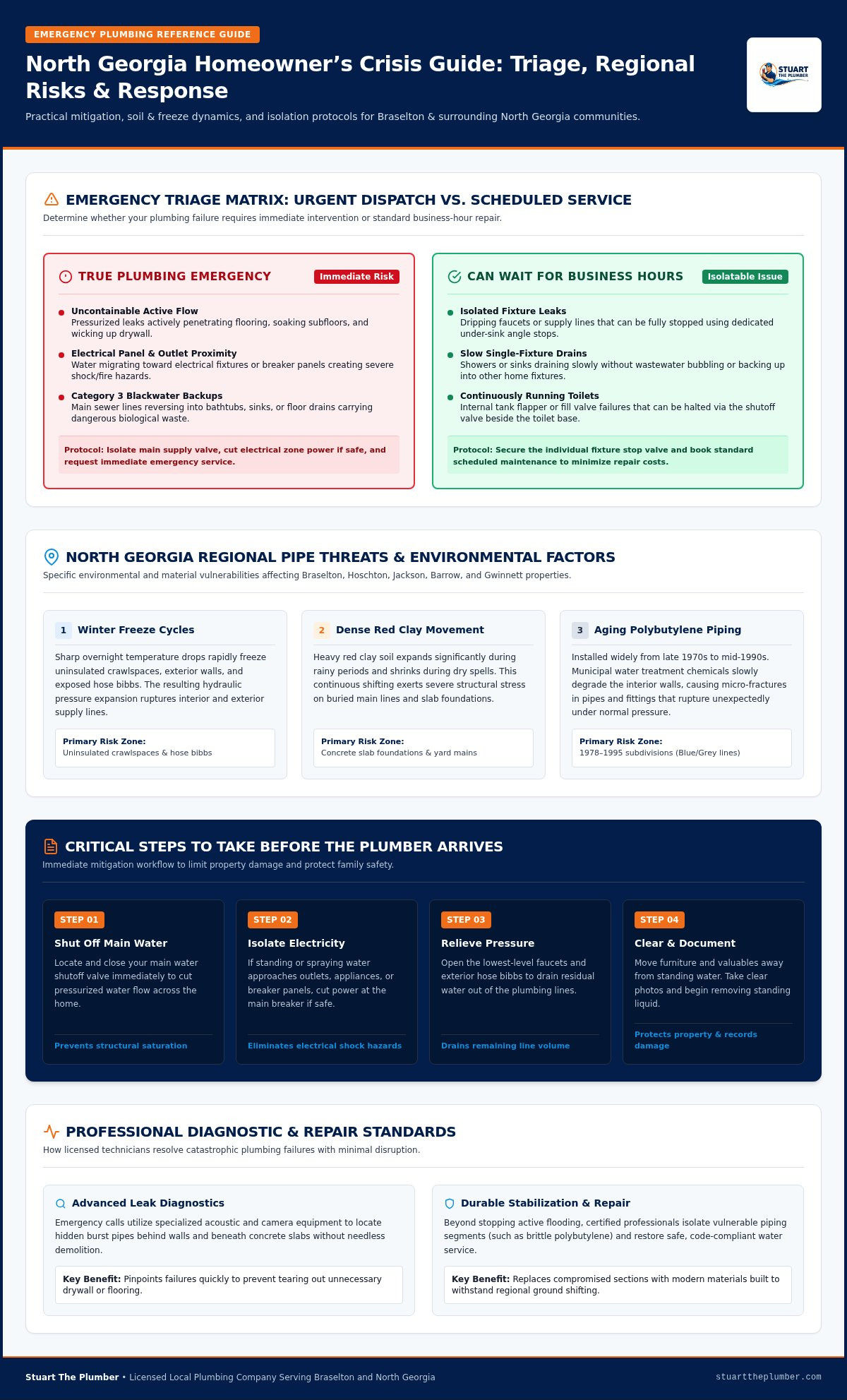
    If water is actively escaping or damage is developing, act promptly. If you can do so safely, limit further water exposure while arranging plumbing help. A newly discovered section of older or suspect piping is different from an active leak. It deserves assessment, but its presence alone does not establish an emergency.

    For a sudden plumbing emergency, review emergency plumbing help in North Georgia. If you are unsure whether a leak, stain, or other concern is connected to polybutylene piping, you can contact Stuart The Plumber about a plumbing concern. A licensed local plumbing company serving Braselton and nearby North Georgia communities can assess visible concerns and discuss appropriate next steps.

    Polybutylene Pipe Problems: Assess, Repair, or Plan Replacement?

    Finding polybutylene piping does not automatically mean your home needs immediate re-piping. The next step depends on whether the material is confirmed, what a plumber can observe, and whether there is an active issue or other home circumstances to consider. An assessment can help clarify the options without assuming every symptom has the same cause.

    Option Purpose When to discuss it
    Assessment Confirm visible concerns and review accessible parts of the plumbing system. When the pipe material or source of a symptom is uncertain.
    Localized repair Address a specific, confirmed plumbing issue in an affected area. When a plumber identifies a repairable local concern.
    Planned replacement Consider replacing affected polybutylene piping as a broader project. When the material and home circumstances make replacement an option to evaluate.

    What a plumber can assess before recommending work

    A plumber can look at accessible piping, discuss reported symptoms, and help determine which concerns need attention. Ask what was observed, which areas could be checked, and what remains uncertain, especially if some piping is concealed. An assessment helps frame possible next steps, but it does not guarantee a particular diagnosis or outcome.

    How to weigh repair against replacement

    A localized repair addresses a specific, confirmed issue. Planned replacement considers a broader portion of the piping system. When weighing polybutylene pipe problems, ask what the assessment shows, what work is being proposed, and why that option fits your home. Request a clear explanation of the work’s scope and any areas that were not assessed.

    For more detail on what a replacement project may involve, read the Georgia polybutylene pipe replacement guide. If leaks keep returning and you are weighing a broader project, this look at whole house repiping in Braselton, GA explains when replacing your pipes may be worth considering. For a practical checklist on old pipes replacement in your home, learn how recurring symptoms can help inform whether to consider a targeted repair or broader repiping. Stuart The Plumber is a licensed local plumbing company serving Braselton and nearby North Georgia communities, with polybutylene replacement and re-piping services.

    Polybutylene Pipe Problems Homeowners Should Know About

    North Georgia Next Steps for Polybutylene Pipe Problems

    A clear plan can make plumbing concerns easier to address. Start by documenting what you have noticed, then seek an assessment, compare the options, and decide what to do based on the information available. The right response to polybutylene pipe problems homeowners encounter depends on the confirmed material, observed concerns, and the home’s circumstances.

    What to note before requesting plumbing help

    Before speaking with a plumber, make a short record of what you know. Note:

    • Where any visible piping is located and what it looks like.
    • Where moisture, stains, or leaking have appeared, and whether the concern has returned.
    • Any plumbing repair or inspection notes you have, along with relevant history you know about the home.

    Photos can help document visible concerns, but do not remove walls or disturb piping just to identify the material. If the pipe is concealed, tell the plumber what you do not know rather than trying to investigate it yourself.

    What to expect from a local plumbing conversation

    A plumber can discuss your observations, assess accessible areas, and explain which options may fit what has been found. Ask what the plumber observed, what remains uncertain, what work is recommended, and why. The answers can help you understand whether the immediate concern calls for a specific repair or whether a broader plan is worth considering.

    Replacement is not an automatic next step just because polybutylene piping is suspected. If an assessment indicates replacement is relevant, review the polybutylene replacement overview to learn more about project scope and discuss what may apply to your home.

    Stuart The Plumber is a licensed local plumbing company serving Braselton and nearby North Georgia communities. Its relevant services include leak detection, polybutylene pipe replacement, and re-piping structures. Share visible symptoms and any known plumbing history so the conversation can focus on your situation.

    If you have questions about polybutylene piping in your home, contact Stuart The Plumber to discuss your plumbing concerns.

    Take a Clear Next Step for Your Home

    Polybutylene piping is a reason to get informed, not a diagnosis of an active leak or an automatic instruction to replace every pipe. Confirm the material where possible, investigate moisture or recurring leaks, and compare assessment, repair, and replacement options based on your home’s condition. That measured approach can help homeowners address polybutylene pipe problems without guessing.

    Stuart The Plumber is a licensed local plumbing company serving Braselton and nearby North Georgia communities. Polybutylene pipe replacement and re-piping are among its plumbing services, and a plumber can discuss observed concerns and possible next steps with you.

    With the right information, you can make a practical plan for your home, one step at a time.

    Frequently Asked Questions

    What are common polybutylene pipe problems?

    Common concerns include possible deterioration, leaks, and uncertainty about the piping’s condition. These concerns do not mean every polybutylene system will fail, and a leak or stain alone does not confirm polybutylene is the cause. If you are investigating polybutylene pipe problems, note where symptoms occur and when they appear. If the material or condition is unclear, ask a plumber to assess accessible plumbing and explain what can be confirmed.

    How can I tell if my home has polybutylene pipes?

    Visible pipe may offer clues, but its appearance alone may not confirm the material throughout your home. Some plumbing is concealed, and past remodeling can leave different pipe materials in different areas. Do not remove walls or rely on one visible section as a complete identification test. If you suspect polybutylene, point out accessible piping and ask a plumber to verify what can be identified.

    Do polybutylene pipes always need to be replaced?

    No. Finding polybutylene does not by itself confirm an active leak or determine how much work is appropriate. Discuss the confirmed material, observed condition, accessible areas, and your household’s circumstances with a plumber. An assessment can help you compare monitoring, a localized repair for a specific concern, or planned replacement. The next step should reflect what is found in your property, not a one size fits all rule.

    Can polybutylene pipes leak without warning?

    A leak may be discovered before you notice a clear warning, particularly if the affected piping is concealed, but there is no reliable way to promise whether a problem will give notice. Take active leaking seriously and note recurring moisture, stains, or other changes and where they occur. If you suspect a plumbing issue, request a professional assessment rather than assuming the pipe material is the confirmed cause.

    Should I repair one polybutylene pipe or replace more of the system?

    That depends on what a plumber confirms, where the affected piping is, its observed condition, and your priorities. A localized repair addresses a specific identified issue. Broader replacement may be discussed if an assessment identifies more affected piping or if you want to consider a wider project. Ask what each option covers, which areas were assessed, and what remains uncertain. Neither approach is automatically right for every home.

    What should I do if a polybutylene pipe is actively leaking?

    If water is actively escaping, limit further water exposure if you can do so safely and contact a plumber for guidance. A sudden leak or continuing damage needs prompt attention; do not wait for certainty about the pipe material before seeking help. Stuart The Plumber is a licensed local plumbing company serving Braselton and nearby North Georgia communities, including Hoschton, Auburn, Winder, Dacula, Jefferson, Flowery Branch, Oakwood, Gainesville, Buford, Sugar Hill, Lawrenceville, Suwanee, Duluth, Grayson, Loganville, Commerce, and Johns Creek.

    Stuart Balestracci

    Article by

    Stuart Balestracci

    Stuart is a third-generation master plumber dedicated to providing dependable, honest plumbing service throughout Braselton and North Georgia. Building on a family tradition of hands-on trade expertise, he brings practical problem-solving and high standards to every job—from urgent leaks and clogged drains to water heaters, sewer lines, and whole-home repiping.

    Stuart believes customers deserve clear answers, quality workmanship, and repairs that address the real issue—not a quick fix that creates another problem later. Through Stuart the Plumber, LLC, he serves homeowners, property managers, and businesses with professional service, straightforward communication, and respect for their property. The company operates as a licensed Georgia plumbing business, license MP208668.

    Disclaimer

    The information in this article is provided for general educational and informational purposes only. While Sturat the Plumber, LLC makes reasonable efforts to keep information accurate and current, plumbing conditions, building systems, local codes, manufacturer instructions, and repair requirements vary by property and may change over time.

    This content is not a substitute for an on-site inspection, diagnosis, estimate, professional plumbing service, or advice from a properly licensed professional. Do not rely on this article to diagnose gas leaks, sewer backups, hidden water leaks, water-heater failures, burst pipes, or other potentially hazardous conditions.

    Plumbing work can involve risks including water damage, electrical hazards, gas hazards, sewage exposure, structural damage, and personal injury. Always follow applicable local codes, product instructions, and safety requirements. For active leaks, suspected gas leaks, sewage backups, flooding, loss of water service, or any situation that may create an immediate safety risk, contact a qualified professional or emergency services as appropriate.

    Sturat the Plumber, LLC does not guarantee that the information in this article is complete, suitable for every property, or applicable to your specific circumstances. Any decisions or actions taken based on this content are at your own risk. Sturat the Plumber, LLC disclaims liability for loss, damage, injury, expense, or other consequences arising from the use of or reliance on this information.

    For an evaluation of your specific plumbing concern, contact Sturat the Plumber, LLC for professional service. Sturat the Plumber, LLC is a licensed Georgia plumbing business, license MP208668.

  • Are Polybutylene Pipes Dangerous? Risks, Warning Signs, and Next Steps

    Are Polybutylene Pipes Dangerous? Risks, Warning Signs, and Next Steps

    What if the bigger concern with polybutylene pipes isn’t what they put in your water, but whether they’ll hold up? If you’re asking, “are polybutylene pipes dangerous,” the material alone can’t tell you whether your home’s water is safe. The practical concern is that aging pipes may fail, causing hidden leaks, water damage, or conditions that support mold growth.

    It’s understandable to worry when you spot gray, blue, or black plastic piping, especially if you’ve heard it can fail with little warning. But visible clues aren’t a complete assessment, and pipes can deteriorate internally even when they look intact. A professional inspection can help replace guesswork with a clearer picture of the plumbing’s condition.

    This article explains the difference between health concerns and plumbing failure risks, identifies warning signs that deserve attention, and outlines what to ask about inspection and replacement. Stuart the Plumber, LLC is a licensed local plumbing company serving Braselton and nearby North Georgia communities, with polybutylene pipe replacement and repiping among its services. The goal is straightforward: help you understand what you’re seeing and decide on a sensible next step.

    Key Takeaways: Why Licensed Plumbing Matters for Your Property

    • When asking “are polybutylene pipes dangerous,” separate concerns about water quality from the risk of plumbing failure and resulting property damage.
    • Visible clues can help you decide what to document, but they don’t confirm the material or reveal hidden damage.
    • If you find a concern, note what you can see and arrange a professional assessment. Don’t cut into walls or handle damaged plumbing yourself.
    • Choose next steps based on the situation: no symptoms, visible concerns, recurring leaks, and active water escape each call for a different response.
    • An assessment can help you discuss whether repair or repiping makes sense for the pipe condition, property, and your priorities.

    Are polybutylene pipes dangerous? Separate health fears from plumbing risks

    Short answer: Finding polybutylene pipe doesn’t confirm an immediate emergency or establish whether your water is safe. The main homeowner concern is potential plumbing failure and the water damage a leak can cause. Pipe material, active leakage, and water quality are separate questions that need different kinds of assessment.

    Polybutylene (PB) piping is a type of plastic plumbing pipe that has been used in buildings. Its presence is a reason to learn more about the plumbing, not proof that every system is failing. A licensed plumber can assess accessible pipes and discuss options based on their condition and the property.

    What concerns are actually associated with polybutylene piping?

    Polybutylene systems have been associated with plumbing failures, but that doesn’t mean every pipe will leak or that anyone can predict when a particular pipe might fail without an inspection. A leak can wet walls, damage flooring and belongings, and disrupt daily life. In a commercial property, water damage may also interrupt business operations.

    Seeing this pipe material is not the same as seeing an active leak. Look for direct signs such as visible water, damp surfaces, or a new, unexplained wet area. If water is escaping, treat it as a plumbing problem that needs prompt attention. If there’s no visible leak, an assessment can help clarify what the pipe’s condition suggests without guessing about when it might fail.

    Do polybutylene pipes automatically make water unsafe?

    No conclusion about water quality follows from identifying the pipe material alone. Identification is not a water test, and without authoritative evidence, it would be inaccurate to declare every polybutylene system either safe or toxic. If you have a concern about drinking water, consult your local water provider or appropriate local water-quality guidance. A plumbing assessment can address the pipe condition, but it doesn’t substitute for water-quality testing.

    Keep the questions separate: Is there a leak or sign of pipe damage? Is there a specific concern about water quality? The first calls for a plumbing assessment; the second calls for water-quality guidance or testing. Stuart The Plumber serves Braselton and nearby North Georgia communities and can discuss pipe condition and polybutylene pipe replacement options.

    Why polybutylene pipes can fail, and why age alone cannot diagnose them

    Polybutylene piping raises a legitimate question about condition, but age or material alone can’t show whether a specific pipe is about to fail. A known risk deserves attention; it isn’t proof of a current leak.

    Polybutylene is a risk factor for plumbing failure, not evidence that a leak is occurring now. One concern is that disinfectants in water can contribute to deterioration inside the pipe over time. That material-related concern doesn’t establish the condition of every system or predict when a particular pipe may fail. An assessment of accessible piping and the property’s repair history can provide more useful information than age alone.

    What can visible polybutylene piping look like?

    Common identification clues include flexible plastic pipe that may appear gray, blue, silver, or black. Some pipe may carry the marking “PB2110.” Color alone isn’t conclusive, and exposed sections can’t identify pipes hidden in walls or floors. If you spot possible clues, take photos and note where the pipe is visible. Don’t bend, cut, or disturb the pipe or its fittings to check. For a closer look at polybutylene pipe problems homeowners should know about, including where the pipe may be visible, see this guide.

    Which signs should prompt a closer plumbing assessment?

    Recurring leaks, damp areas, unexplained water damage, or visible deterioration are reasons to investigate. Any one of these can also have causes unrelated to polybutylene, so it shouldn’t be treated as a diagnosis. Concealed piping may require a qualified plumber to assess accessible evidence alongside leak history and property conditions.

    If water is actively escaping, limit damage only if you can do so safely. If the main shutoff is accessible and safe to operate, turning it off may help limit further water flow. Keep clear of electrical hazards, and don’t try to handle or patch damaged piping yourself. Contact a plumber for guidance.

    For homeowners and property managers in Braselton and nearby North Georgia communities, Stuart The Plumber can assess plumbing concerns and discuss replacement options where appropriate. If you’ve noticed recurring leaks or possible pipe deterioration, contact Stuart The Plumber to discuss an assessment.

    How to assess polybutylene pipes in a North Georgia property

    A clear assessment starts with what you’ve observed, not assumptions about what might be behind a wall. If water is actively escaping, focus first on limiting damage safely and contacting a plumber. If there’s no active leak, you can plan an assessment of older or uncertain piping without treating it as an immediate emergency.

    What information should you gather before calling a plumber?

    Make a short record of what you know. This gives the plumber useful context and helps keep the assessment focused.

    • Note where you can see the pipes, such as near a water heater, under a sink, or in an accessible utility area.
    • Record any past leaks or plumbing repairs, including where they occurred.
    • Take clear photos of accessible piping and affected areas if it’s safe to do so.
    • Describe whether you’re dealing with active leakage, past water damage, or pipe identification alone.

    Don’t cut into walls, move fittings, or handle damaged plumbing to gather evidence. For a suspected leak that isn’t visible, learn more about hidden water leak detection in Braselton.

    What should a plumber assess during a visit?

    Ask the plumber to explain what they can confirm from accessible piping and what remains uncertain, especially if much of the system is concealed. The assessment may consider visible pipe condition, signs of leakage, and your property’s repair history. Since a symptom can have more than one cause, ask how the evidence supports any conclusions.

    Then discuss the choices. Depending on the findings and property conditions, the conversation may cover repair or replacement, including repiping. Ask what each option addresses, which parts of the system it involves, and what factors shape the recommendation. You don’t need to assume that one outcome fits every home or business. If leaks keep returning in different places, a guide to whole house repiping in Braselton, GA can help you understand when replacing the piping may be worth considering.

    Stuart The Plumber serves Braselton and nearby North Georgia communities. An assessment can help you move from uncertainty to a practical discussion about your plumbing and possible next steps.

    Schedule a plumbing assessment

    Are Polybutylene Pipes Dangerous? Risks, Warning Signs, and Next Steps

    What to do next if your home has polybutylene pipes

    Finding polybutylene doesn’t automatically mean you need emergency work. The right next step depends on what you’re seeing and whether water is escaping. If you’re asking “are polybutylene pipes dangerous,” focus on the condition of your system and any signs of trouble, rather than making a decision based on pipe material alone.

    When should you monitor, investigate, or request service?

    • Identified piping, no symptoms: Note where it’s visible and gather any plumbing history. Arrange a professional discussion to understand its condition and plan next steps.
    • Visible deterioration or repeated leaks: Request a plumbing assessment. A plumber can consider the accessible pipe, leak history, and property conditions before discussing options.
    • Active water escape: Prioritize safety and limiting damage. If you can safely reach the main shutoff, turning it off may help stop the flow. Avoid damaged plumbing and contact a plumber promptly.

    Don’t cut into walls to look for more pipe or try to handle a damaged section yourself. If there are no symptoms, planning an assessment is different from responding to active leakage.

    What should you ask about repair and replacement options?

    Repair or repiping depends on what an assessment finds, the property’s layout and access, and your priorities. Ask the plumber to explain what evidence supports the recommendation, which areas of piping the work would cover, and what disruption to expect. Clarify the proposed scope and your questions before authorizing work.

    For more detail on planning and scope, read this guide to polybutylene pipe replacement in Georgia. It can help you prepare questions, but a plumber’s assessment is still needed to discuss your property’s specific conditions.

    Stuart The Plumber is a licensed local plumbing company serving Braselton and nearby North Georgia communities. The team can discuss polybutylene pipe condition, leak concerns, and replacement options without assuming one solution fits every property.

    Take the next step with clear information

    So, are polybutylene pipes dangerous? Their presence alone doesn’t confirm unsafe water or an active leak. The practical concern is pipe condition and the possibility of plumbing failure. Visible clues, recurring leaks, or water damage are reasons to investigate, but an assessment is needed to understand what’s happening in your property.

    If you find polybutylene piping but have no symptoms, gather what you can safely observe and plan a professional discussion. If you notice repeated leaks or active water escaping, contact a plumber and focus on safety and limiting damage. Repair or repiping options depend on the assessment, property conditions, and your priorities.

    Stuart The Plumber is a licensed local plumbing company serving Braselton, Hoschton, Auburn, Winder, Dacula, Jefferson, Flowery Branch, Oakwood, Gainesville, Buford, Sugar Hill, Lawrenceville, Suwanee, Duluth, Grayson, Loganville, Commerce, and Johns Creek. Services include polybutylene pipe replacement, repiping, leak detection, and emergency plumbing.

    With the right information, you can make a steady, informed plan for your home or property.

    Frequently Asked Questions

    Are polybutylene pipes dangerous to your health?

    A pipe’s material alone doesn’t establish whether household water is safe or unsafe. The concern commonly raised about polybutylene is potential pipe failure and resulting water damage, not a confirmed water-quality finding. If you’re concerned about drinking water, seek guidance from the appropriate local water-quality authority or arrange suitable testing. If you’re concerned about leaks or pipe condition, have a plumber assess the plumbing separately.

    Can polybutylene pipes fail without warning?

    A leak may become apparent suddenly, but age or material alone can’t predict whether or when a particular installation will fail. No visible symptoms also don’t prove concealed piping is problem-free. Watch for recurring leaks, damp areas, or unexplained water damage, and ask a qualified plumber to assess concerns. These clues warrant investigation, but they aren’t a precise forecast of failure.

    How can I tell if my home has polybutylene pipes?

    Check only accessible plumbing areas, such as around fixtures or utility equipment, and photograph pipes you’re unsure about. Appearance can offer clues, but it may not conclusively identify every pipe or fitting. Don’t cut into walls, move fittings, or disturb plumbing to investigate. A plumber can review visible piping and explain what can be confirmed during an assessment, including what remains uncertain because it’s concealed.

    Should polybutylene pipes be replaced even if they are not leaking?

    Not automatically. A leak-free system still needs to be considered in light of its accessible condition, property layout, and repair history. A professional assessment can help clarify what’s known and what options may suit the property. Before deciding, ask about the reasons for any recommendation, the scope of work, and potential disruption. A guide to polybutylene pipe replacement in Georgia can also help you prepare planning questions.

    What should I do if a polybutylene pipe is leaking?

    If water is actively escaping, prioritize safety and limiting damage. Keep clear of affected electrical equipment. Use an accessible shutoff only if you can reach and operate it safely, then contact a plumber for help. Take photos of the leak or damage only when it’s safe, and don’t attempt repairs beyond your ability. A burst-pipe emergency guide can help you review additional steps while seeking plumbing assistance.

    Can a plumber determine whether polybutylene pipes need replacement?

    A plumber can assess accessible piping, reported leak history, and visible damage, then explain what those findings support. The visit may not reveal the condition of every concealed section, so ask what was evaluated and what remains unknown. Discuss repair and replacement options in relation to your property instead of assuming one outcome. Stuart The Plumber serves Braselton, Hoschton, Auburn, Winder, Dacula, Jefferson, Flowery Branch, Oakwood, Gainesville, Buford, Sugar Hill, Lawrenceville, Suwanee, Duluth, Grayson, Loganville, Commerce, and Johns Creek.

    Stuart Balestracci

    Article by

    Stuart Balestracci

    Stuart is a third-generation master plumber dedicated to providing dependable, honest plumbing service throughout Braselton and North Georgia. Building on a family tradition of hands-on trade expertise, he brings practical problem-solving and high standards to every job—from urgent leaks and clogged drains to water heaters, sewer lines, and whole-home repiping.

    Stuart believes customers deserve clear answers, quality workmanship, and repairs that address the real issue—not a quick fix that creates another problem later. Through Stuart the Plumber, LLC, he serves homeowners, property managers, and businesses with professional service, straightforward communication, and respect for their property. The company operates as a licensed Georgia plumbing business, license MP208668.

    Disclaimer

    The information in this article is provided for general educational and informational purposes only. While Sturat the Plumber, LLC makes reasonable efforts to keep information accurate and current, plumbing conditions, building systems, local codes, manufacturer instructions, and repair requirements vary by property and may change over time.

    This content is not a substitute for an on-site inspection, diagnosis, estimate, professional plumbing service, or advice from a properly licensed professional. Do not rely on this article to diagnose gas leaks, sewer backups, hidden water leaks, water-heater failures, burst pipes, or other potentially hazardous conditions.

    Plumbing work can involve risks including water damage, electrical hazards, gas hazards, sewage exposure, structural damage, and personal injury. Always follow applicable local codes, product instructions, and safety requirements. For active leaks, suspected gas leaks, sewage backups, flooding, loss of water service, or any situation that may create an immediate safety risk, contact a qualified professional or emergency services as appropriate.

    Sturat the Plumber, LLC does not guarantee that the information in this article is complete, suitable for every property, or applicable to your specific circumstances. Any decisions or actions taken based on this content are at your own risk. Sturat the Plumber, LLC disclaims liability for loss, damage, injury, expense, or other consequences arising from the use of or reliance on this information.

    For an evaluation of your specific plumbing concern, contact Sturat the Plumber, LLC for professional service. Sturat the Plumber, LLC is a licensed Georgia plumbing business, license MP208668.

  • Low Water Pressure Fixes in Georgia: A Homeowner’s Checklist

    Low Water Pressure Fixes in Georgia: A Homeowner’s Checklist

    Could a weak shower point to a clogged screen, while low pressure throughout your home signals a broader problem? For a low water pressure fix Georgia homeowners should first check where the issue occurs, rather than reach for tools. Weak flow at one faucet, hot water only, or every fixture can point to different possible causes.

    A sudden pressure drop can raise concerns about a hidden leak or damaged water line. Some initial checks are simple and don’t require taking plumbing apart. This checklist explains how to note the pattern, safely inspect a fixture aerator or accessible shutoff valve, and recognize signs that call for professional help.

    Before arranging service, note which fixtures are affected and whether nearby homes or businesses have noticed the same change. Stuart the Plumber, LLC is a licensed local plumbing company serving Braselton and nearby North Georgia communities, with services including leak detection, water-line repair and replacement, and water-heater repair.

    Key Takeaways: Why Licensed Plumbing Matters for Your Property

    • Track whether weak flow affects one fixture, one floor, hot water, or the whole property. The pattern can help narrow down possible causes.
    • A low water pressure fix Georgia homeowners can start with is checking for visible fixture buildup or a partially closed accessible valve. Don’t take plumbing apart.
    • Persistent pressure loss, signs of a leak, or a water-line concern may need professional assessment instead of trial-and-error repairs.
    • If practical, ask nearby neighbors or businesses whether they’ve noticed a similar interruption, then share what you learn when arranging service.
    • A plumber can use your observations to guide an inspection of fixtures, plumbing lines, or the water heater without assuming the cause in advance.

    Low Water Pressure in Georgia: Start by Identifying Where It Happens

    Where and when weak flow occurs are useful clues. Before choosing a low water pressure fix Georgia homeowners can safely try, check whether the problem affects one faucet, several fixtures, one floor, hot water only, or the entire property. These observations can help narrow down possible causes, but they don’t confirm a diagnosis.

    Note when the change began and whether it came on suddenly or gradually. Recent plumbing work may also be relevant. Record which fixtures are affected and whether the flow changes when other fixtures are in use. For a basic explanation of what water pressure is, see how pressure relates to flow. Weak flow at one fixture may have a different cause from a broader supply problem.

    Does low water pressure affect one faucet or the whole property?

    Compare a faucet with another faucet or shower. If only one fixture has weak flow, look for visible buildup on its aerator or showerhead. Don’t force parts that resist. If several fixtures are affected, write down which rooms and floors they’re on. A pattern across the property may warrant a wider assessment, but it doesn’t identify the cause by itself.

    Is the problem limited to hot water?

    At the same fixture, compare hot and cold flow without adjusting plumbing components. If cold water flows normally but hot water is weak, a water-heater-related issue is one possibility. That observation doesn’t prove the heater is responsible. If your home has a tankless system, see the tankless water heater repair guide for related troubleshooting information.

    Use the pattern to guide the next check, not to guess at a repair. Weak flow on one floor, for example, can help a plumber focus an assessment. A change across the whole property may involve a broader part of the plumbing system. Keep track of whether the problem is steady or intermittent, and mention any recent work when arranging service.

    Common Causes of Low Water Pressure in North Georgia Homes

    Weak flow can result from a restriction at one fixture or an issue affecting more of the plumbing system. The symptom offers clues, not a confirmed diagnosis. Use the table to organize what you’ve noticed before deciding what to do next.

    Symptom Possible cause
    One faucet or shower has weak flow Buildup in the aerator or showerhead, or a partially closed fixture shutoff valve
    Several fixtures or the whole property are affected A partially closed main shutoff, hidden plumbing leak, water-line problem, or malfunctioning pressure-reducing valve (PRV)
    Pressure drops across the property without a clear fixture issue A supply interruption may be one possibility. Ask nearby neighbors or businesses whether they’re noticing it too.

    What can cause weak flow at one fixture?

    A clogged faucet aerator or showerhead can restrict flow at that fixture. Look for visible buildup and check whether its accessible shutoff valve appears fully open. Don’t force the valve. Stop if it’s stuck or damaged, or if water starts leaking. For a concern limited to one fixture, a faucet and fixture assessment may help identify what needs attention.

    What can cause low pressure throughout a home or business?

    Check whether the main shutoff appears partly closed, but don’t try to adjust a valve that’s stuck or leaking. A hidden leak or water-line issue can affect multiple fixtures. A PRV, which helps manage incoming water pressure, may also affect flow if it isn’t working properly. These conditions call for assessment rather than guesswork.

    For persistent symptoms throughout a property, a plumber may inspect the shutoff, water line, and pressure-regulating equipment to narrow down possible causes. Stuart The Plumber provides leak detection and water-line repair and replacement in Braselton and nearby North Georgia communities. Ask about water-line repair and replacement when discussing the issue. The Georgia Environmental Protection Division provides background on Georgia’s public water standards, but that information doesn’t determine the cause of a pressure issue inside a particular property.

    If weak flow continues or you’re concerned about a leak, contact a local plumbing professional to discuss what you’ve observed.

    Low Water Pressure Fix Checklist: Safe Checks Before Calling a Plumber

    A practical low water pressure fix Georgia checklist starts with observation, not repairs. Follow these steps in order, and stop if a check feels unsafe or you find signs of damage.

    1. Record the pattern. Note which fixtures are affected, whether the issue is limited to hot or cold water, and whether the pressure changed suddenly or gradually. Write down any recent plumbing work, too.
    2. Compare fixtures. Test a few faucets and a shower. If practical, ask a neighbor or nearby business whether they’ve noticed a similar interruption. A wider pattern may suggest a supply issue, but it doesn’t confirm one.
    3. Look for visible leaks or moisture. Check accessible areas such as under sinks and around exposed plumbing. Note damp spots or unexplained water use. Don’t open walls or dig to search for a leak.
    4. Inspect a single weak fixture. Look for visible buildup on its aerator or showerhead. Clean it only if removal is straightforward and you can do so without forcing parts.
    5. Check accessible shutoff valves gently. See whether a valve appears partly closed, but don’t force a stuck, corroded, or damaged handle.

    Which low-pressure checks are reasonable to do yourself?

    Comparing hot and cold flow at the same fixture can clarify the symptom without adjusting plumbing. You can also inspect an accessible aerator or showerhead and gently check visible valves. Stop if a part resists, a valve starts leaking, or you’re unsure how to proceed. Avoid disassembling plumbing or attempting repairs beyond these basic observations.

    When should you stop troubleshooting and call a plumber?

    Get professional help if several fixtures remain affected after basic checks, or if low pressure comes with active leaking, damp areas, water damage, or unexplained water use. A sudden pressure loss deserves prompt attention, particularly when there’s visible leaking. If you suspect a concealed leak, read about professional hidden leak detection. Stuart The Plumber is a licensed local plumbing company serving Braselton and nearby North Georgia communities, with leak detection and water-line services.

    Low Water Pressure Fixes in Georgia: A Homeowner’s Checklist

    Getting a Low Water Pressure Fix in Georgia: What to Expect From a Plumber

    A plumber can use your description of the pressure problem to guide an assessment. Which fixtures are affected, whether hot or cold water is involved, and whether the issue began suddenly or gradually all help determine what to check. Depending on the symptoms, they may inspect relevant fixtures, accessible shutoff valves, the water heater, pressure-regulating equipment, or water lines.

    These checks help narrow down possible causes. The pattern alone can’t confirm whether the issue comes from a fixture, leak, valve, water line, or another part of the plumbing system. Any recommended next step depends on what the assessment shows.

    What information should you share when scheduling service?

    A few clear details make the conversation more useful. Note which fixtures, floors, or units have weak flow and whether hot water is affected. Include when the problem began and whether the change seemed sudden or gradual. Mention recent plumbing work, visible moisture, or unexplained water use. Stick to what you’ve observed rather than trying to diagnose the cause.

    How can North Georgia property owners get the right next step?

    Stuart The Plumber is a licensed local plumbing company serving Braselton and nearby North Georgia communities. Relevant services include leak detection and water-line repair and replacement. Visit the Braselton plumber page for Braselton-area service information.

    For a low water pressure fix Georgia property owners can pursue with confidence, describe the symptom pattern and ask what assessment may be appropriate. Contact a plumber about persistent pressure concerns, especially if you’ve noticed signs of a leak or water-line issue.

    Take the Next Step Toward Restoring Steady Water Flow

    A useful low water pressure fix Georgia starts with identifying where weak flow occurs. Check whether it affects one fixture, hot water, or the whole property. Note when it began and whether you can see signs of moisture. These observations can guide your next step, but they can’t confirm the cause.

    Keep troubleshooting safe. Don’t force stuck valves or open walls to search for a leak. If pressure loss persists across several fixtures, starts suddenly, or comes with active leaking or water damage, arrange a professional assessment. Sharing what you’ve observed can help a plumber understand what needs checking.

    Stuart The Plumber is a licensed local plumbing company serving Braselton and nearby North Georgia communities. Relevant services include leak detection and water-line repair and replacement.

    With a clear picture of the symptoms and the right help, you can take the next step with greater confidence.

    Frequently Asked Questions

    Why is my water pressure suddenly low throughout the house?

    A sudden whole-house pressure drop may be related to a partly closed main shutoff, a plumbing leak, a water-line problem, or a malfunctioning pressure-reducing valve. A supply interruption is another possibility, especially if nearby neighbors notice the same change. Check for visible leaks and note which fixtures are affected, but don’t force valves or attempt complex repairs. These clues can help a plumber assess the issue, but they don’t confirm its cause.

    Can I fix low water pressure by cleaning the faucet aerator?

    Cleaning the aerator may help if weak flow is limited to one faucet and visible debris or mineral buildup is restricting water. Remove it only if it comes off easily, then clean and reinstall it carefully. If it’s stuck, damaged, or starts leaking, stop rather than forcing it. If other faucets and the shower also have weak flow, the cause may not be at that single fixture.

    How do I know if low water pressure is caused by a leak?

    You can’t confirm a leak from low pressure alone, but damp areas, visible drips, water damage, or unexplained water use are reasons to investigate. Look only in accessible areas, such as under sinks or around exposed pipes. Don’t open walls or dig to search for a hidden leak. If pressure loss occurs with moisture or signs of water damage, contact a plumber about professional leak detection.

    Why is my hot water pressure low but my cold water pressure normal?

    If cold flow is normal but hot flow is weak at the same fixture, a water-heater-related issue is one possibility. The symptom doesn’t prove the heater is the cause, since another part of the hot-water plumbing may be involved. Note whether the issue affects one fixture or several, and avoid adjusting heater components. Stuart The Plumber handles water-heater repair and installation for residential and commercial properties.

    Is low water pressure an emergency?

    Low pressure by itself isn’t always an emergency, but sudden pressure loss with active leaking, water damage, or significant moisture calls for prompt plumbing help. If you see water near electrical equipment, avoid the area and seek appropriate immediate assistance. Don’t try to find a concealed leak by opening walls or digging. Share what changed and where you see water when contacting a plumbing professional.

    When should I call a plumber for low water pressure in Georgia?

    Call a plumber if weak flow affects several fixtures, persists after safe checks, or appears alongside a leak, damp area, or unexplained water use. Stuart The Plumber is a licensed local company serving Braselton, Hoschton, Auburn, Winder, Dacula, Jefferson, Flowery Branch, Oakwood, Gainesville, Buford, Sugar Hill, Lawrenceville, Suwanee, Duluth, Grayson, Loganville, Commerce, and Johns Creek. For a low water pressure fix Georgia homeowners can explore, describe the symptoms and ask about an assessment.

    Stuart Balestracci

    Article by

    Stuart Balestracci

    Stuart is a third-generation master plumber dedicated to providing dependable, honest plumbing service throughout Braselton and North Georgia. Building on a family tradition of hands-on trade expertise, he brings practical problem-solving and high standards to every job—from urgent leaks and clogged drains to water heaters, sewer lines, and whole-home repiping.

    Stuart believes customers deserve clear answers, quality workmanship, and repairs that address the real issue—not a quick fix that creates another problem later. Through Stuart the Plumber, LLC, he serves homeowners, property managers, and businesses with professional service, straightforward communication, and respect for their property. The company operates as a licensed Georgia plumbing business, license MP208668.

    Disclaimer

    The information in this article is provided for general educational and informational purposes only. While Sturat the Plumber, LLC makes reasonable efforts to keep information accurate and current, plumbing conditions, building systems, local codes, manufacturer instructions, and repair requirements vary by property and may change over time.

    This content is not a substitute for an on-site inspection, diagnosis, estimate, professional plumbing service, or advice from a properly licensed professional. Do not rely on this article to diagnose gas leaks, sewer backups, hidden water leaks, water-heater failures, burst pipes, or other potentially hazardous conditions.

    Plumbing work can involve risks including water damage, electrical hazards, gas hazards, sewage exposure, structural damage, and personal injury. Always follow applicable local codes, product instructions, and safety requirements. For active leaks, suspected gas leaks, sewage backups, flooding, loss of water service, or any situation that may create an immediate safety risk, contact a qualified professional or emergency services as appropriate.

    Sturat the Plumber, LLC does not guarantee that the information in this article is complete, suitable for every property, or applicable to your specific circumstances. Any decisions or actions taken based on this content are at your own risk. Sturat the Plumber, LLC disclaims liability for loss, damage, injury, expense, or other consequences arising from the use of or reliance on this information.

    For an evaluation of your specific plumbing concern, contact Sturat the Plumber, LLC for professional service. Sturat the Plumber, LLC is a licensed Georgia plumbing business, license MP208668.

  • Emergency Plumber Near Me: Finding the Right Help in North Georgia

    Emergency Plumber Near Me: Finding the Right Help in North Georgia

    A leak spreading across the floor or a drain backing up can disrupt a home or business quickly. If you’re searching “plumber emergency near me,” the closest result may not be the right fit. Look for a provider that serves your community and handles the problem you’re facing.

    It’s understandable to feel pressure to choose quickly, especially when you’re unsure what to do next. Stuart the Plumber, LLC is a licensed local plumbing company serving Braselton and nearby North Georgia communities. Its services include emergency plumbing, leak detection, drain cleaning, and water heater work. Confirm current service-area coverage and availability when you contact any provider.

    This guide will help you identify a relevant plumber, compare local options, and prepare useful details before requesting service. You’ll also find questions to ask about licensing, service scope, and what to expect before work begins. While arranging help, take cautious steps to limit further damage, such as using an accessible water shutoff if it’s safe to do so. A clear description of the problem can make the next steps easier to discuss.

    Key Takeaways: Why Licensed Plumbing Matters for Your Property

    • Distinguish an active plumbing problem from a stable repair so you can describe the issue clearly when requesting help.
    • When searching “plumber emergency near me,” check whether the provider serves your community and handles the specific problem.
    • Compare a local plumber, a directory listing, and an existing plumbing contact, then confirm coverage and availability directly.
    • Stuart the Plumber, LLC is a licensed local option serving Braselton and nearby North Georgia communities, with emergency, leak, and drain services for residential and commercial customers.
    • When contacting a provider, share your location, symptoms, affected area, and any steps you’ve already taken.

    Emergency Plumber Near Me: Identify and Solve the Problem

    An urgent plumbing problem is active or disrupting safe use of the property. A routine repair is stable and can usually be described when scheduling. A burst pipe, a leak that keeps flowing, a serious drain backup, or water spreading into an occupied area calls for prompt attention. Loss of hot water may also need service, depending on the circumstances and who relies on it.

    If you’re searching “plumber emergency near me,” consider immediate safety first. Avoid areas where water may have reached electrical equipment, and don’t enter a space that feels unsafe. Use an accessible water shutoff only if you can reach and operate it safely. Don’t try to identify the cause from visible symptoms alone. Plumbing systems involve connected pipes, fixtures, and drains, as outlined in this general overview of plumbing systems.

    Which plumbing problems may need prompt professional attention?

    Ongoing water flow, water spreading beyond its source, or wastewater backing up into a fixture are reasons to seek prompt professional assessment. These are active problems, and a plumber can help determine what service is appropriate. If the issue appears stable, such as a fixture that isn’t working without visible water or an isolated hot-water interruption, explain what you’ve noticed when arranging service and ask how soon it should be assessed.

    Don’t assume a particular symptom identifies the cause. Focus on what you can observe, and keep people away from any area that seems unsafe.

    What information should you have ready before calling?

    Specific details help a provider understand the situation and check whether the service and location are a fit. Before you call, note:

    • Location: The property’s city, such as Braselton, and the affected part of the building.
    • Symptoms: Whether water is actively leaking, a drain is backing up, or hot water is unavailable.
    • Timing: When the problem began and whether it has changed.
    • Steps taken: Any safe action already taken, such as using an accessible water shutoff.

    Before calling, gather the property’s city, the affected fixture or area, when the issue began, what you can observe, and any safe steps you’ve taken. Stuart the Plumber, LLC serves Braselton and nearby North Georgia communities. Review the Braselton plumbing service area, then confirm current coverage and availability with the provider.

    How to Choose an Emergency Plumber Near You: Questions That Matter

    A nearby listing is only a starting point. Before arranging service, check that the provider serves your specific North Georgia community, handles the problem you’re describing, and can explain what happens next. If you searched “plumber emergency near me,” don’t assume the search result confirms current coverage or availability.

    Questions to ask before arranging emergency plumbing service

    Keep the call focused. Give the property’s city and a plain description of the problem, then ask direct questions. Confirm whether the location and issue fit the provider’s service area and plumbing work. Ask about current availability rather than assuming emergency service means 24-hour coverage.

    • 1. Location: Do you serve this city or community?
    • 2. Problem: Does the symptom I described fall within your plumbing services?
    • 3. Relevant service: Do you handle this type of leak, drain issue, water heater problem, or other plumbing emergency?
    • 4. Current availability: Are you currently able to take this request?
    • 5. Next steps: What should I expect, and what charges or service terms should I understand before work begins?

    Ask for a clear explanation of the process and any applicable charges before approving work. You don’t need to identify the technical cause yourself. Describe what you see and let the provider explain whether it can assess the issue.

    How to compare local plumbers without relying on broad promises

    Check that you’re contacting a plumbing company, then ask about licensing and experience relevant to the problem. Look for clear answers about the service offered, how the issue will be assessed, and what charges may apply. Treat broad statements about response times, guarantees, or outcomes as unconfirmed until the provider explains what applies to your request.

    Stuart the Plumber, LLC is a licensed local company serving Braselton and nearby North Georgia communities. Review its emergency plumbing service and confirm current coverage and availability directly.

    Check local fit and current availability directly with the provider instead of relying on a listing or broad promise. If Stuart the Plumber, LLC’s service area and listed plumbing services appear relevant, contact the team with your question and ask about the next step.

    A North Georgia Emergency-Plumber Shortlist: Compare Your Local Options

    A search for “plumber emergency near me” can surface providers that appear close without confirming they serve your address or handle your issue. Compare a few options, then verify the details directly before arranging service.

    Option What to check
    Known local plumber Confirm service-area coverage, relevant plumbing work, and current availability. Stuart the Plumber, LLC is a licensed local company serving Braselton and nearby North Georgia communities.
    Directory-discovered provider Use the listing to identify a possible provider, not as confirmation of local emergency service. Call to verify the company serves your city and handles the issue.
    Existing plumbing contact Ask whether they handle the current problem and can take the request. Their familiarity with the property may help you explain its plumbing history.

    When a local plumbing company may be the most relevant option

    Search distance alone doesn’t establish that a provider serves your property. Check its service area directly. Stuart the Plumber, LLC serves Braselton and nearby North Georgia communities. If you’re in Braselton, Hoschton, Jefferson, or Winder, confirm current coverage and availability rather than assuming it based on proximity. You can also review the Braselton plumbing service area.

    When a directory or an existing plumber can help you compare

    A directory is a useful starting point, but verify each provider’s qualifications, service area, and relevant plumbing services yourself. Don’t treat a national brand or directory profile as confirmation of a local emergency option without speaking to the provider. An existing plumber may know the property’s plumbing history; still ask whether they handle the issue you’re facing and what the next step would be.

    For practical context on common urgent plumbing situations, read this North Georgia emergency plumbing guide. A shortlist is most useful when it helps you get clear answers about fit and availability.

    Emergency Plumber Near Me: Finding the Right Help in North Georgia

    Contact Stuart The Plumber for Emergency Plumbing in North Georgia

    Once you’ve identified the plumbing issue, confirm that the provider serves your community and handles that type of work. Stuart the Plumber, LLC is a licensed local plumbing company serving Braselton and nearby North Georgia communities, with emergency plumbing for residential and commercial properties.

    Which plumbing concerns Stuart the Plumber, LLC can discuss

    Stuart the Plumber, LLC offers services including emergency plumbing, leak detection, and drain cleaning. If you’re dealing with an active leak or a drain problem, describe what you’re seeing and ask whether the service fits your situation. For a burst pipe, this North Georgia burst-pipe guide offers additional context. You can also review the emergency plumbing service page.

    Commercial customers can identify the property type and explain which area or plumbing system is affected. These details help the company understand the request and discuss whether it matches its services.

    What to expect when you reach out

    Tell the team where the property is, what symptoms you’ve noticed, and whether the problem is active or getting worse. Include the affected fixture or area and any safe steps already taken, such as using an accessible water shutoff. You don’t need to know the cause. A straightforward description is more useful than a guess.

    Ask directly whether Stuart the Plumber, LLC currently serves your community, has availability for your request, and what the next step would be. Searching “plumber emergency near me” can help you find options, but it can’t confirm current coverage or availability. Get those details from the provider before making plans.

    Whether you manage a home or a commercial property, a clear call helps establish whether the company’s services fit the issue. Share the key details, ask your questions, and confirm the next step directly.

    Take the Next Step With a Clear Plan

    When you search “plumber emergency near me,” use the results as a starting point, not proof that a provider serves your address or can take your request. Describe what’s happening, share your community and the affected area, and ask about current availability and next steps. Clear details help you compare local options without relying on broad promises.

    Stuart The Plumber is a licensed local plumbing company serving Braselton and North Georgia, with emergency plumbing, leak detection, and drain cleaning for residential and commercial customers. Confirm current coverage and availability directly when you reach out.

    If a plumbing problem is disrupting your property, contact the team with the details you’ve gathered and ask whether its services fit your situation.

    A clear first conversation can help you decide what to do next. Take it one step at a time.

    Frequently Asked Questions

    What counts as a plumbing emergency?

    A plumbing emergency usually involves an active problem that’s disrupting the property or may create an immediate safety concern. Examples include a burst pipe, water that continues to spread, a serious drain backup, or wastewater backing up. Loss of hot water may also need prompt attention depending on the situation. Avoid unsafe areas, and don’t try to identify the cause from symptoms alone. Contact a plumbing professional to describe what’s happening.

    How do I find an emergency plumber near me in North Georgia?

    Search “plumber emergency near me,” then confirm directly that the provider serves your specific community and handles the issue you’re describing. Stuart the Plumber, LLC serves Braselton and nearby North Georgia communities, including Hoschton, Auburn, Winder, Dacula, Jefferson, Flowery Branch, Oakwood, Gainesville, Buford, Sugar Hill, Lawrenceville, Suwanee, Duluth, Grayson, Loganville, Commerce, and Johns Creek. Ask about current availability, relevant services, and the next step before making arrangements.

    How quickly can an emergency plumber get to my home?

    Arrival timing depends on the provider’s current availability, your location, and the details of the request. Don’t assume that a company advertising emergency plumbing offers 24-hour service or a particular arrival time. Call and explain your community, the symptoms, and whether the problem is active or worsening. Ask whether the provider can take the request and what timing or next steps it can confirm for your situation.

    What should I do while waiting for a plumber?

    Keep people away from areas that seem unsafe, especially where water may have reached electrical equipment. If you can safely reach and operate an accessible water shutoff, you may use it. Don’t enter a hazardous area or attempt a repair you’re unsure about. Note when the problem began, what part of the property is affected, and any steps taken. Share those details with the plumber when you speak.

    How much does an emergency plumber cost?

    The cost depends on the work needed and the provider’s charges, so ask for details directly rather than relying on a general estimate found online. Before authorizing work, ask what the service covers, how the problem will be assessed, and which charges may apply. Explain the symptoms and location clearly so the provider can discuss the request. Confirm the terms before work begins, since pricing varies by situation and company.

    Does Stuart the Plumber, LLC handle emergency plumbing near Braselton?

    Yes. Stuart the Plumber, LLC is a licensed local plumbing company serving Braselton and nearby North Georgia communities, with emergency plumbing for residential and commercial properties. Confirm current service-area coverage and availability when you contact the company. It also provides leak detection and drain cleaning. Share your location, the affected area, and what you’ve observed, then ask what next step is appropriate for your request.

    Stuart Balestracci

    Article by

    Stuart Balestracci

    Stuart is a third-generation master plumber dedicated to providing dependable, honest plumbing service throughout Braselton and North Georgia. Building on a family tradition of hands-on trade expertise, he brings practical problem-solving and high standards to every job—from urgent leaks and clogged drains to water heaters, sewer lines, and whole-home repiping.

    Stuart believes customers deserve clear answers, quality workmanship, and repairs that address the real issue—not a quick fix that creates another problem later. Through Stuart the Plumber, LLC, he serves homeowners, property managers, and businesses with professional service, straightforward communication, and respect for their property. The company operates as a licensed Georgia plumbing business, license MP208668.

    Disclaimer

    The information in this article is provided for general educational and informational purposes only. While Sturat the Plumber, LLC makes reasonable efforts to keep information accurate and current, plumbing conditions, building systems, local codes, manufacturer instructions, and repair requirements vary by property and may change over time.

    This content is not a substitute for an on-site inspection, diagnosis, estimate, professional plumbing service, or advice from a properly licensed professional. Do not rely on this article to diagnose gas leaks, sewer backups, hidden water leaks, water-heater failures, burst pipes, or other potentially hazardous conditions.

    Plumbing work can involve risks including water damage, electrical hazards, gas hazards, sewage exposure, structural damage, and personal injury. Always follow applicable local codes, product instructions, and safety requirements. For active leaks, suspected gas leaks, sewage backups, flooding, loss of water service, or any situation that may create an immediate safety risk, contact a qualified professional or emergency services as appropriate.

    Sturat the Plumber, LLC does not guarantee that the information in this article is complete, suitable for every property, or applicable to your specific circumstances. Any decisions or actions taken based on this content are at your own risk. Sturat the Plumber, LLC disclaims liability for loss, damage, injury, expense, or other consequences arising from the use of or reliance on this information.

    For an evaluation of your specific plumbing concern, contact Sturat the Plumber, LLC for professional service. Sturat the Plumber, LLC is a licensed Georgia plumbing business, license MP208668.
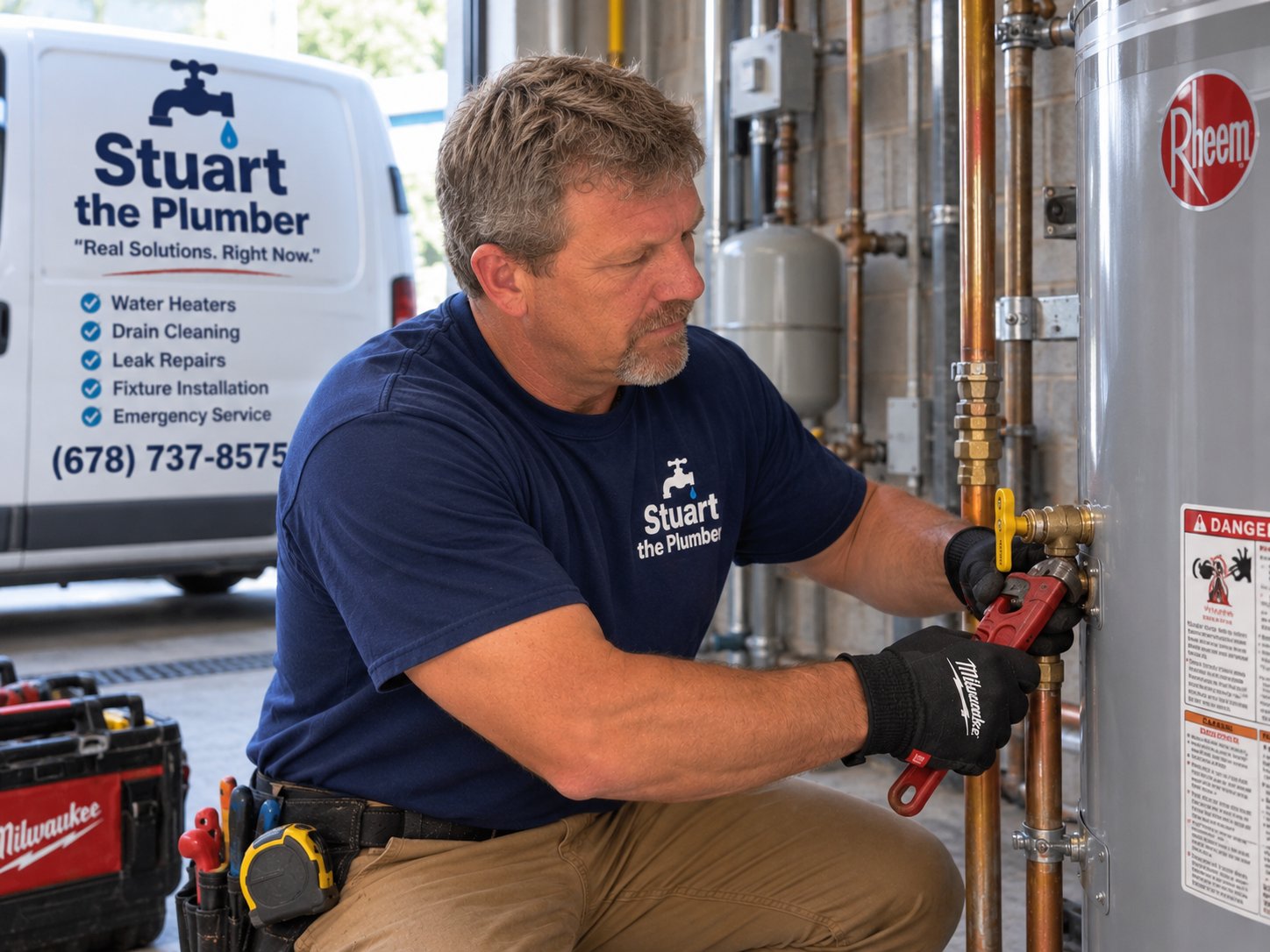
  • Burst Pipe Repair in North Georgia: A Homeowner’s Emergency Guide

    Burst Pipe Repair in North Georgia: A Homeowner’s Emergency Guide

    Water is spreading across the floor, and you’re not sure where to shut it off. In that moment, knowing what to do first can limit damage while you arrange burst pipe repair North Georgia homeowners can rely on. Start by locating the main water shut-off valve and stopping the flow if you can do so safely.

    A burst pipe can threaten walls, floors, and belongings, and the repair cost may feel like one more uncertainty. You don’t have to diagnose the break yourself. Stuart the Plumber, LLC is a licensed local plumbing company serving Braselton and nearby North Georgia communities, with experience in emergency plumbing, leak detection, and polybutylene pipe replacement.

    This guide explains the immediate steps to take, what to expect when a plumber assesses the damage, and why a lasting repair may involve more than patching the visible leak. You’ll also learn how freezing temperatures and older pipes can contribute to bursts, plus practical ways to protect plumbing during Georgia cold snaps.

    Key Takeaways: Why Licensed Plumbing Matters for Your Property

    • Learn how to shut off the water and drain remaining water from the lines to limit additional damage.
    • Understand how North Georgia’s winter temperature swings, aging pipes, and high water pressure can contribute to pipe failures.
    • See what to expect from burst pipe repair North Georgia, including locating hidden leaks and assessing repair or replacement options.
    • Find out why structural pipe work is best handled by a licensed plumbing professional.
    • Prepare for cold weather by protecting exposed pipes and taking care of outdoor faucets before freezing conditions arrive.

    Immediate Steps for Burst Pipe Repair in North Georgia

    Water is moving fast. In the first minute, stop the supply if you can reach the main shut-off valve safely. This limits how much more water enters the damaged line and can help reduce damage to floors, walls, and belongings. If you can’t find or operate the valve, move people away from the leak and call a licensed plumber for guidance.

    Once the supply is off, open hot and cold faucets to help drain water left in the lines and relieve pressure. Keep clear of wet electrical equipment. If water is near outlets, wiring, or appliances, don’t enter the affected area. Only turn off the main breaker if you can reach it without stepping into water or touching wet surfaces. If it isn’t safe, stay away and contact emergency services for help with the electrical hazard.

    Locating Your Main Water Shut-Off Valve

    Look near where the water line enters the home, such as a basement or crawlspace. Some homes have a shut-off near the water meter or street-side service entry. A ball valve usually turns a quarter turn, so its handle sits across the pipe when closed. A gate valve typically closes by turning its wheel clockwise. Don’t force a stuck or corroded valve; it could break or worsen the leak. Tell the plumber the valve isn’t working.

    Temporary Mitigation While You Wait for a Plumber

    After the water is off and the area is safe, photograph or video the leak and visible damage before cleanup. This record may be useful when you contact your insurer. Then remove standing water with towels, a mop, or a wet vacuum if available. Fans and dehumidifiers can help dry damp areas, but don’t use electrical equipment where water could reach it. Avoid patch kits on pressurized lines. A temporary patch may fail to address the damaged pipe or hidden leaks.

    A permanent fix may require locating the break behind a wall or replacing a damaged section. Plumbing systems use different materials, each with its own repair considerations; see this overview of modern plumbing systems. For older homes with polybutylene piping, learn about polybutylene pipe replacement.

    Stuart the Plumber, LLC is a licensed local company serving Braselton and nearby North Georgia communities. For burst pipe repair North Georgia homeowners can discuss the damage and permanent repair options with a plumbing professional. If you need to find a plumber emergency near me who serves your specific community, confirm service-area coverage and availability before requesting help. Call or schedule emergency plumbing service when the water is controlled and it’s safe to do so.

    Common Causes of Pipe Failures in the North Georgia Region

    A burst can follow a sudden cold snap, but winter isn’t the only possible cause. Excessive water pressure, corrosion, and aging or damaged pipe materials can also contribute. Finding the likely cause helps a plumber determine whether the damaged section needs repair or whether a broader pipe concern should be checked.

    Winter Freezes and Exposed Plumbing

    In North Georgia, temperatures can swing between mild days and freezing nights. Pipes in crawlspaces, attics, garages, and exterior walls have less protection from cold air. If water inside a pipe freezes, it expands and puts pressure on the pipe. Thawing may reveal a split or leak. The American Red Cross offers practical guidance on preventing and thawing frozen pipes.

    There’s no verified basis here for ranking North Georgia cities by freeze-related plumbing calls. Homeowners in Braselton and nearby communities should focus on the conditions at their own property, especially exposed lines and unheated spaces.

    Pressure, Corrosion, and Aging Pipes

    Water pressure that’s too high can strain plumbing connections and pipe walls. A plumber can check the pressure and determine whether a pressure-reducing valve is appropriate for the home. Corrosion can also weaken older metal pipes. Pipe material, water conditions, installation, and maintenance all affect how a system holds up, so there isn’t one reliable lifespan that applies to every property.

    Homes with older plumbing may benefit from an inspection if there are recurring leaks, visible corrosion, or changes in water flow. A burst pipe doesn’t automatically mean the entire system needs replacement, but the surrounding line should be assessed before choosing a repair.

    Polybutylene Pipes: A Regional Risk

    Polybutylene piping may appear as flexible gray, blue, or black plastic tubing, though color alone can’t confirm the material. It’s found in some older homes, including properties built in the late twentieth century. The pipe can fail unexpectedly, so visible leaks or signs of deterioration warrant attention. A licensed plumber can identify the material and discuss whether repair or replacement makes sense. For background on longer-term options, see the Polybutylene Pipe Replacement in Georgia guide.

    Stuart the Plumber, LLC is a licensed local company serving Braselton and nearby North Georgia communities. If you’re concerned about aging or polybutylene piping, contact Stuart the Plumber, LLC to discuss an assessment and possible next steps.

    Professional Burst Pipe Repair and Replacement Options

    Once the water is off, a plumber can locate the damage, assess the affected pipe, and explain repair options. The right approach depends on where the break is, the pipe material, and whether nearby sections show signs of wear. Stuart the Plumber, LLC is a licensed local company serving Braselton and North Georgia, with experience in leak detection and pipe replacement.

    Finding Hidden Leaks and Choosing a Repair

    A leak behind a wall or beneath a floor may not appear directly above the damaged pipe. A plumber can use leak-detection methods to narrow down the source and check the surrounding line. Acoustic equipment or thermal imaging may be used in some investigations, depending on the conditions. More precise locating can help limit unnecessary access openings, though the extent of any wall or floor work depends on the leak.

    For a localized break in an otherwise sound line, a plumber may recommend replacing the damaged section. If leaks recur or multiple areas show deterioration, whole-house repiping may be worth discussing. A professional assessment helps distinguish an isolated failure from a broader problem. Read more about leak detection in Braselton.

    Underground Line Repair Options

    For an underground leak, the repair plan depends on the line involved, its location, access, and the condition of the pipe. Trenchless methods can reduce the amount of excavation in some suitable situations, while conventional digging may be needed when the damaged section is difficult to access or the pipe requires direct replacement. A plumber can explain the tradeoffs for the property rather than assume one method fits every yard.

    Stuart the Plumber, LLC provides trenchless pipe replacement expertise. The available approach should be confirmed for the specific line and repair. The company’s trenchless sewer repair guide explains one application of trenchless work.

    Planning a Permanent Fix

    Before work begins, ask what portion of the line is damaged, whether nearby piping needs inspection, and what repair or replacement options are appropriate. For burst pipe repair North Georgia homeowners should use a licensed professional for structural pipe work, especially when the leak is concealed or involves an underground line. Clear findings help you understand the proposed scope and next steps.

    Burst Pipe Repair in North Georgia: A Homeowner’s Emergency Guide

    How to Prevent Future Pipe Bursts in North Georgia

    Make prevention part of your routine, not just a response to a cold forecast. Check exposed plumbing before winter and after unusually cold weather. Remove garden hoses before freezing conditions and use insulated covers on outdoor faucets. During an extreme freeze, a slow drip from a vulnerable faucet may help keep water moving. If you’re unsure which fixtures or lines need attention, ask a plumber to assess your home.

    Your Annual Winterization Checklist

    • Look for gaps that let cold air reach plumbing in crawlspaces and other unheated areas.
    • Confirm you know how to access the main water shut-off valve.
    • Ask a plumber to check for recurring leaks, weakened pipe sections, or signs of excessive water pressure.
    • Have water-heater components, including the pressure relief valve, checked by a qualified professional if you have concerns about their condition.

    A routine plumbing inspection can help identify concerns before they become an emergency. It’s also a good time to discuss practical winter precautions for your property, especially if pipes have leaked before or are hard to access.

    When Repiping May Be Worth Discussing

    Seasonal precautions can help reduce freeze-related risks, but they won’t resolve deterioration throughout an aging plumbing system. If your home has recurring leaks or polybutylene pipes, ask a licensed plumber whether repairing a section or repiping is appropriate. The recommendation depends on the pipe material, its condition, and the history of leaks. Learn more about polybutylene pipe replacement in Georgia.

    Repiping can involve replacing part or more of a home’s plumbing, depending on the assessment. Stuart the Plumber, LLC is a licensed local plumbing company serving Braselton and nearby North Georgia communities. A plumber can explain the proposed scope, expected disruption, and options before work begins.

    Protect Your Home With a Clear Repair Plan

    A burst pipe calls for quick, safe action: shut off the water if you can, stay clear of electrical hazards, and document visible damage before cleanup. Once the immediate leak is controlled, a plumber can locate the failure and explain whether a focused repair or broader replacement makes sense.

    North Georgia cold snaps can put exposed pipes at risk, while aging materials may fail for different reasons. Insulating vulnerable lines and checking older plumbing can help you prepare, but recurring leaks deserve a professional assessment. Stuart the Plumber, LLC is a licensed local plumbing company serving Braselton and nearby North Georgia communities, with experience in leak detection and polybutylene pipe replacement.

    If you’re dealing with a leak now, share what you’ve observed and ask about the next steps for burst pipe repair North Georgia. Clear information from a plumbing professional can help you make a practical plan for your home.

    Taking action early can help you move from uncertainty toward a sound repair plan and better preparation for the next cold snap.

    Frequently Asked Questions

    How much does burst pipe repair cost in North Georgia?

    There’s no single set price for burst pipe repair North Georgia; the scope depends on the break’s location, pipe material, access, and whether nearby sections need attention. Ask the plumber to inspect the damage and explain the proposed repair before work begins. Stuart the Plumber, LLC serves Braselton, Hoschton, Auburn, Winder, Dacula, Jefferson, Flowery Branch, Oakwood, Gainesville, Buford, Sugar Hill, Lawrenceville, Suwanee, Duluth, Grayson, Loganville, Commerce, and Johns Creek.

    Is a burst pipe covered by my homeowner’s insurance?

    Coverage depends on your policy, the cause of the damage, and your insurer’s review, so don’t assume a burst pipe is covered. Contact your insurance company to ask what your policy requires. If it’s safe, take photos or videos before cleanup, keep records of related expenses, and document the plumbing work. A plumber can assess the pipe and describe the repair, but your insurer determines coverage.

    How do I know if a pipe has burst inside my wall?

    Possible clues include damp or discolored drywall, bubbling paint, a soft or swollen area, a musty smell, or the sound of water when fixtures are off. These signs can point to a leak, but they don’t confirm a burst pipe. If you suspect hidden water, shut off the main supply if it’s safe and contact a plumber. Leak detection can help locate the source before deciding what access or repair is needed.

    Can I use a hair dryer to thaw a frozen pipe safely?

    A hair dryer may be used on an exposed frozen pipe only if the pipe and surrounding area are dry and you can work safely. Keep the dryer away from water, use gentle heat, and never use an open flame. Don’t try to thaw a pipe that’s leaking, hidden, or near wet electrical equipment. If you can’t safely reach the pipe or aren’t sure it’s intact, stop and call a plumber.

    What should I do if my main water shut-off valve is broken?

    Don’t force a stuck or corroded valve with a wrench or pliers; it could break further or worsen the leak. Keep clear of standing water and electrical hazards, and contact a licensed plumber for help shutting off the supply and assessing the valve. If water is spreading near electrical equipment, don’t enter the area. Tell the plumber where the valve is and what happens when you try to operate it.

    Why do pipes burst even if the temperature is above freezing?

    The outdoor temperature doesn’t reflect conditions around every pipe. Lines in a crawlspace, attic, garage, or exterior wall can get much colder than the air outside. A pipe stressed by freezing may not show a leak until ice thaws. Excessive water pressure, corrosion, aging materials, or a blockage can also contribute to failure. If you notice damp areas, water sounds, or a sudden change in flow, contact a plumber emergency near me in North Georgia to investigate.

    Stuart Balestracci

    Article by

    Stuart Balestracci

    Stuart is a third-generation master plumber dedicated to providing dependable, honest plumbing service throughout Braselton and North Georgia. Building on a family tradition of hands-on trade expertise, he brings practical problem-solving and high standards to every job—from urgent leaks and clogged drains to water heaters, sewer lines, and whole-home repiping.

    Stuart believes customers deserve clear answers, quality workmanship, and repairs that address the real issue—not a quick fix that creates another problem later. Through Stuart the Plumber, LLC, he serves homeowners, property managers, and businesses with professional service, straightforward communication, and respect for their property. The company operates as a licensed Georgia plumbing business, license MP208668.

    Disclaimer

    The information in this article is provided for general educational and informational purposes only. While Sturat the Plumber, LLC makes reasonable efforts to keep information accurate and current, plumbing conditions, building systems, local codes, manufacturer instructions, and repair requirements vary by property and may change over time.

    This content is not a substitute for an on-site inspection, diagnosis, estimate, professional plumbing service, or advice from a properly licensed professional. Do not rely on this article to diagnose gas leaks, sewer backups, hidden water leaks, water-heater failures, burst pipes, or other potentially hazardous conditions.

    Plumbing work can involve risks including water damage, electrical hazards, gas hazards, sewage exposure, structural damage, and personal injury. Always follow applicable local codes, product instructions, and safety requirements. For active leaks, suspected gas leaks, sewage backups, flooding, loss of water service, or any situation that may create an immediate safety risk, contact a qualified professional or emergency services as appropriate.

    Sturat the Plumber, LLC does not guarantee that the information in this article is complete, suitable for every property, or applicable to your specific circumstances. Any decisions or actions taken based on this content are at your own risk. Sturat the Plumber, LLC disclaims liability for loss, damage, injury, expense, or other consequences arising from the use of or reliance on this information.

    For an evaluation of your specific plumbing concern, contact Sturat the Plumber, LLC for professional service. Sturat the Plumber, LLC is a licensed Georgia plumbing business, license MP208668.

  • Emergency Plumbing in North Georgia: Rapid Solutions When Minutes Matter

    Emergency Plumbing in North Georgia: Rapid Solutions When Minutes Matter

    Water is gushing across your hardwood floor, drywall is sagging overhead, and the sound of rushing water grows louder by the second. In a crisis like this, finding dependable emergency plumbing North Georgia homeowners can trust isn’t just about stopping the leak; it’s about protecting your property from structural damage before another gallon spills.

    Few household crises feel as stressful as an unexpected pipe burst or severe drain backup. You’re watching your living space flood, you might be unsure which valve cuts off the flow, and the fear of shoddy work or inflated bills only adds to the panic. You need practical solutions and steady guidance to regain control of your home without unnecessary disruption.

    In this guide, you’ll discover how to safely isolate your main water line, limit property destruction, and secure durable repairs from a licensed local team like Stuart the Plumber, LLC. We’ll walk through immediate mitigation steps, common regional pipe vulnerabilities, and exactly what to expect when an experienced technician arrives.

    Key Takeaways: Why Licensed Plumbing Matters for Your Property

    • Learn how to tell a true emergency involving active structural flooding apart from minor fixtures that can safely wait.
    • Understand how regional freeze cycles and shifting red clay trigger urgent plumbing failures across North Georgia homes.
    • Follow a quick step-by-step checklist to find your main shutoff valve and protect your property before a technician arrives.
    • Discover the advanced diagnostic tools used during professional emergency plumbing North Georgia calls to pinpoint leaks without needless demolition.
    • Find out how licensed professionals like Stuart The Plumber diagnose hidden pipe bursts and resolve vulnerable polybutylene line failures.

    Recognizing a True Plumbing Emergency in North Georgia

    A sudden plumbing failure can trigger instant panic, but not every dripping fixture demands immediate intervention. Knowing the difference between an inconvenient repair and an active catastrophe saves money, protects your living space, and ensures severe hazards receive prompt attention. In simple terms: a plumbing emergency is any situation involving uncontainable water flow, structural saturation, or severe biological and electrical hazards. If water is actively destroying building materials or threatening your health, you need professional emergency plumbing North Georgia homeowners rely on to stabilize the property.

    Immediate Property and Health Hazards

    Certain failures cannot wait until morning. When left unaddressed for even an hour, pressurized leaks penetrate flooring, soak subfloors, and wick up drywall. If water migrates toward electrical outlets or the main breaker panel, the situation turns into a severe shock or fire risk. Shut off power to the affected zone immediately if it is safe to do so.

    Drainage failures bring their own dangers. A main sewer backup sends Category 3 blackwater into your bathtubs, sinks, or lowest-level floor drains. This raw waste contains dangerous bacteria, viruses, and parasites that make living spaces uninhabitable. When waste lines refuse to flow or back up into clean fixtures, you are facing a serious health risk that requires rapid extraction and clearance.

    When Issues Can Wait for Regular Business Hours

    While modern plumbing systems carry high volumes of water daily, many common household malfunctions are completely isolated. You can often defer calling for urgent dispatch if the water can be securely contained:

    • Isolated fixture leaks: A dripping faucet or weeping supply line can be resolved temporarily by turning the dedicated angle stop valve underneath the fixture.
    • Slow showers or sinks: If waste drains slowly without bubbling or backing up into other drains, you are dealing with isolated buildup rather than a total main blockage. Learning to address simple clogged drains in North Georgia during standard business hours is often the most cost-effective move.
    • Running toilets: A toilet that runs constantly wastes water, but closing the wall valve beside the base prevents flooding until a technician can replace the tank flapper or fill valve.

    If you can isolate the problem without cutting off all water to the home, scheduled daytime repairs are your best path. If water is uncontrollable or contaminated, professional emergency plumbing North Georgia support is non-negotiable.

    Common Urgent Plumbing Failures Across North Georgia Homes

    Every region presents distinct challenges to residential piping, and North Georgia is no exception. Local environmental conditions place unique stress on supply lines and subterranean drains. When pipe failures strike, homeowners need emergency plumbing North Georgia technicians who understand these exact regional threats, from shifting ground to sudden winter deep freezes.

    Burst Pipes, Winter Freezes, and Clay Soil Stress

    North Georgia winters regularly produce sharp overnight temperature drops. Uninsulated crawlspaces, exterior walls, and exposed hose bibbs freeze rapidly, creating immense hydraulic pressure that ruptures supply lines. Homes built on concrete slabs across Braselton and Hoschton face an added threat: dense red clay soil. This heavy earth expands dramatically during rainy seasons and shrinks during dry stretches, placing structural strain on buried main lines. Homeowners dealing with a ruptured line can find detailed guidance on burst pipe repair in North Georgia to understand immediate steps and lasting repair options.

    When winter storms knock out electricity to well pumps, knowing the proper steps to take during a power outage helps prevent dry running and pressure surges. Repeated ground movement, combined with internal water hammer vibrations, eventually fractures rigid metal lines beneath yards and foundation slabs without warning.

    Aging Polybutylene Piping Failures

    Subdivisions built throughout Jackson, Barrow, and Gwinnett counties between the late 1970s and mid-1990s frequently contain blue or grey polybutylene pipes. Over time, standard municipal water treatment chemicals degrade these plastic lines from the inside out. Micro-fractures develop quietly along the pipe walls and plastic fittings until they blow apart under normal pressure. If your property still relies on these failure-prone lines, review our complete guide on polybutylene pipe replacement in Georgia to eliminate burst risks permanently.

    Sewer Line Collapses and Major Blockages

    North Georgia’s lush canopy of mature pine and hardwood trees presents a constant hazard to underground drainage. Searching for moisture, aggressive tree roots penetrate microscopic cracks in older clay or cast iron sewer laterals. Once inside, they feed on nutrients, creating dense subterranean dams that trap grease, toilet paper, and household waste.

    A completely blocked main lateral forces wastewater backward through your lowest home fixtures within hours. Routine maintenance through professional sewer drain cleaning in Georgia prevents these structural backups. If you notice gurgling drains or sewer smells in your yard, you can reach out to Stuart the Plumber, LLC to have your lines inspected before a minor obstruction causes an urgent sewer backup.

    Critical Steps to Take Before Your Emergency Plumber Arrives

    When pressurized water sprays through drywall or pools across flooring, waiting idly turns a manageable repair into a massive structural remediation. Taking immediate, calculated steps protects your foundation, personal belongings, and family. Follow this orderly stabilization routine while awaiting dispatch for emergency plumbing North Georgia homeowners rely on during high-stress failures.

    Shutting Off the Main Water Supply Safely

    Stopping water flow is the absolute first priority. Most homes feature an interior main shutoff valve near the water heater, inside the crawlspace, or along an exterior foundation wall in a finished basement. Turn ball valve handles a quarter-turn perpendicular to the pipe, or twist brass gate valves clockwise until completely snug.

    If the interior valve is stuck or missing, head to the street-side ground meter box. Remove the heavy iron lid and locate the curb-stop valve on the home side of the meter. Use a dedicated water meter key or sturdy adjustable wrench to turn the valve 90 degrees until the eyelets align. Once the supply is closed, open an outdoor hose bibb and the lowest indoor cold-water faucet to drain trapped pressure out of the system safely.

    Mitigating Water Damage and Protecting Belongings

    Safety comes before cleanup. If pooling water reaches electrical baseboards, appliances, or extension cords, go straight to the main panel and flip the breaker switches for those zones before stepping into the room. Keep children and pets away from wet areas entirely.

    Next, pull area rugs, furniture legs, and electronics away from the moisture path. Begin removing surface water immediately using towels, mops, or wet-dry vacuums. Follow the EPA guide to flood cleanup to keep indoor air clean and minimize hidden mold growth. Take detailed photographs and wide video sweeps of standing water levels and saturated materials. These clear visual records provide critical proof for your property insurance claims adjuster.

    What to Avoid During a Plumbing Crisis

    In the rush to fix a problem, bad choices can cause severe damage. Steer clear of these common pitfalls:

    • Never use chemical drain openers: Pouring caustic lye or acid cleaners into a blocked drain fills standing sewer water with harsh chemicals, endangering the technician who has to clear the physical obstruction.
    • Stop running other plumbing fixtures: Running a dishwasher, washing machine, or upstairs sink during a main sewer clog forces dirty water out of ground-level toilets and shower pans.
    • Do not force frozen lines open with torches: Applying direct open flame to frozen pipes risks steam explosions and house fires. If a frozen line has already ruptured, review what to do next in our guide to burst pipe repair North Georgia homeowners can follow before a technician arrives.

    Discover broader whole-home system safety and maintenance options on our plumbing services page.

    Emergency Plumbing in North Georgia: Rapid Solutions When Minutes Matter

    What to Expect from Professional Emergency Plumbing Services

    Watching an experienced plumber step through your front door brings immediate relief, but knowing what happens next removes uncertainty. A qualified technician does not rely on guesswork or start tearing out drywall blindly. Instead, they begin with a systematic diagnostic walk-through to isolate the failure point, establish containment barriers, and protect unaffected living areas from cross-contamination.

    Accurate Diagnostics and Non-Invasive Leak Detection

    Pinpointing the origin of pressurized water demands modern diagnostic technology. Professional technicians utilize high-frequency acoustic listening discs and thermal imaging sensors to trace pressurized line breaks concealed behind finished tile or deep within concrete slabs. Instead of guessing where water is originating, these tools map moisture signatures right through subfloors.

    For drainage crises, technicians deploy self-leveling fiber-optic cameras directly into lateral sewer cleanouts. This visual inspection uncovers root masses, line offsets, or crushed pipe segments in real time, eliminating destructive exploratory trenching across your landscape. Homeowners can discover how technicians isolate hidden slab leaks through professional leak detection in Braselton, GA without unnecessary property disruption.

    Immediate Repairs vs Permanent Plumbing Restorations

    Emergency plumbing calls typically follow a two-stage approach: immediate stabilization and lasting restoration. Stopping active flooding comes first, but restoring full system integrity ensures long-term reliability.

    • Phase 1: Urgent Stabilization. The technician installs heavy-duty mechanical pipe clamps, cuts away split copper sections to insert secure couplings, or clears mainline blockages using motorized root-cutting equipment to get waste draining safely again.
    • Phase 2: Permanent System Restoration. Once property damage is stopped, the technician reviews underlying vulnerabilities. If a fractured sewer line caused the backup or degraded polybutylene caused the leak, they will outline lasting solutions such as trenchless pipe lining or whole-house repiping.

    Stuart The Plumber is a licensed local plumbing company based in Braselton, serving North Georgia communities including Hoschton, Jefferson, Winder, and Buford with dedicated leak detection, pipe repair, and emergency response. Rather than relying on temporary patches that fail weeks later, booking an experienced emergency plumber gives you clear explanations, precise diagnostics, and durable workmanship that protects your home for the long haul. When urgent pipe problems threaten your home, dependable emergency plumbing North Georgia support ensures repairs are handled right the first time.

    Protect Your Home with Dependable Local Emergency Repairs

    When water lines rupture or sewage backs up, fast action prevents structural damage. Safely isolating your primary water supply and de-energizing affected electrical areas buys critical time. From freezing winter cold snaps to shifting red clay, regional plumbing stresses require lasting solutions rather than temporary quick fixes.

    Stuart The Plumber is a licensed local plumbing company rooted in Braselton, serving North Georgia communities including Hoschton, Jefferson, Winder, and Buford. Equipped for non-destructive electronic leak detection, trenchless sewer clearing, and whole-home repiping, our team brings dependable emergency plumbing North Georgia homeowners rely on to restore comfort and safety.

    Don’t let a sudden plumbing crisis compromise your property’s value and structural safety. You can regain control of your home today with skilled craftsmanship and straightforward local expertise.

    Frequently Asked Questions

    How do I know if my plumbing issue is an emergency?

    A situation is an emergency if water flow cannot be stopped with an individual fixture valve, or if sewage is backing up into living spaces. Active pipe bursts, slab leaks, and total drain failures pose immediate health risks or structural threats to your home. When uncontrolled water jeopardizes drywall, flooring, or electrical wiring, you need professional emergency plumbing North Georgia technicians immediately.

    Can I stop a burst pipe before the plumber arrives?

    Yes, you can halt the flow by shutting off your property’s main water valve right away. Look for an interior brass ball or gate valve near the water heater, crawlspace, or basement wall. If that valve is inaccessible, use a water meter key to turn the curb-stop valve inside your outdoor street-side meter box, then open an exterior spigot to release line pressure.

    What causes sudden loss of water pressure across my house?

    A sudden, house-wide drop in pressure typically signals a ruptured main water service line, a failed pressure reducing valve (PRV), or a municipal supply outage. In rural pockets of North Georgia, a tripped breaker to a well pump or a damaged underground pipe shifting in heavy red clay can also cut off household water instantly. Licensed technicians use acoustic tools to isolate the exact break.

    Is raw sewage backing up into my bathtub dangerous?

    Yes, sewage backups contain Category 3 blackwater loaded with harmful pathogens, bacteria, and viruses that create serious biological hazards. Coming into contact with this waste or inhaling indoor contaminants can lead to severe illness. Avoid using any sinks or running appliances until a professional technician clears the mainline blockage and restores sanitary drainage flow across your property.

    Will insurance cover emergency plumbing repairs and water cleanup?

    Homeowners insurance policies typically cover sudden, accidental water damage and structural drying, but policies frequently exclude the direct cost of repairing the plumbing pipe that broke. Coverage terms vary widely based on your provider and endorsements. Document every damaged room with clear photographs and video footage before cleanup begins, and contact your insurance carrier directly to confirm claim eligibility.

    How quickly should a water heater leak be addressed?

    A leaking water heater requires prompt attention within hours because internal tank corrosion can quickly lead to a full bottom rupture. If water is pooling around the base of the unit, shut off the dedicated cold-water inlet valve above the tank and switch off the electrical breaker. Stuart The Plumber provides dedicated water heater repair and replacement to prevent finished basements and utility closets from flooding. If you’re unsure which local provider to call first, our guide to finding a plumber emergency near me in North Georgia can help you compare licensed options and prepare the right questions before requesting service.

    Stuart Balestracci

    Article by

    Stuart Balestracci

    Stuart is a third-generation master plumber dedicated to providing dependable, honest plumbing service throughout Braselton and North Georgia. Building on a family tradition of hands-on trade expertise, he brings practical problem-solving and high standards to every job—from urgent leaks and clogged drains to water heaters, sewer lines, and whole-home repiping.

    Stuart believes customers deserve clear answers, quality workmanship, and repairs that address the real issue—not a quick fix that creates another problem later. Through Stuart the Plumber, LLC, he serves homeowners, property managers, and businesses with professional service, straightforward communication, and respect for their property. The company operates as a licensed Georgia plumbing business, license MP208668.

    Disclaimer

    The information in this article is provided for general educational and informational purposes only. While Sturat the Plumber, LLC makes reasonable efforts to keep information accurate and current, plumbing conditions, building systems, local codes, manufacturer instructions, and repair requirements vary by property and may change over time.

    This content is not a substitute for an on-site inspection, diagnosis, estimate, professional plumbing service, or advice from a properly licensed professional. Do not rely on this article to diagnose gas leaks, sewer backups, hidden water leaks, water-heater failures, burst pipes, or other potentially hazardous conditions.

    Plumbing work can involve risks including water damage, electrical hazards, gas hazards, sewage exposure, structural damage, and personal injury. Always follow applicable local codes, product instructions, and safety requirements. For active leaks, suspected gas leaks, sewage backups, flooding, loss of water service, or any situation that may create an immediate safety risk, contact a qualified professional or emergency services as appropriate.

    Sturat the Plumber, LLC does not guarantee that the information in this article is complete, suitable for every property, or applicable to your specific circumstances. Any decisions or actions taken based on this content are at your own risk. Sturat the Plumber, LLC disclaims liability for loss, damage, injury, expense, or other consequences arising from the use of or reliance on this information.

    For an evaluation of your specific plumbing concern, contact Sturat the Plumber, LLC for professional service. Sturat the Plumber, LLC is a licensed Georgia plumbing business, license MP208668.