
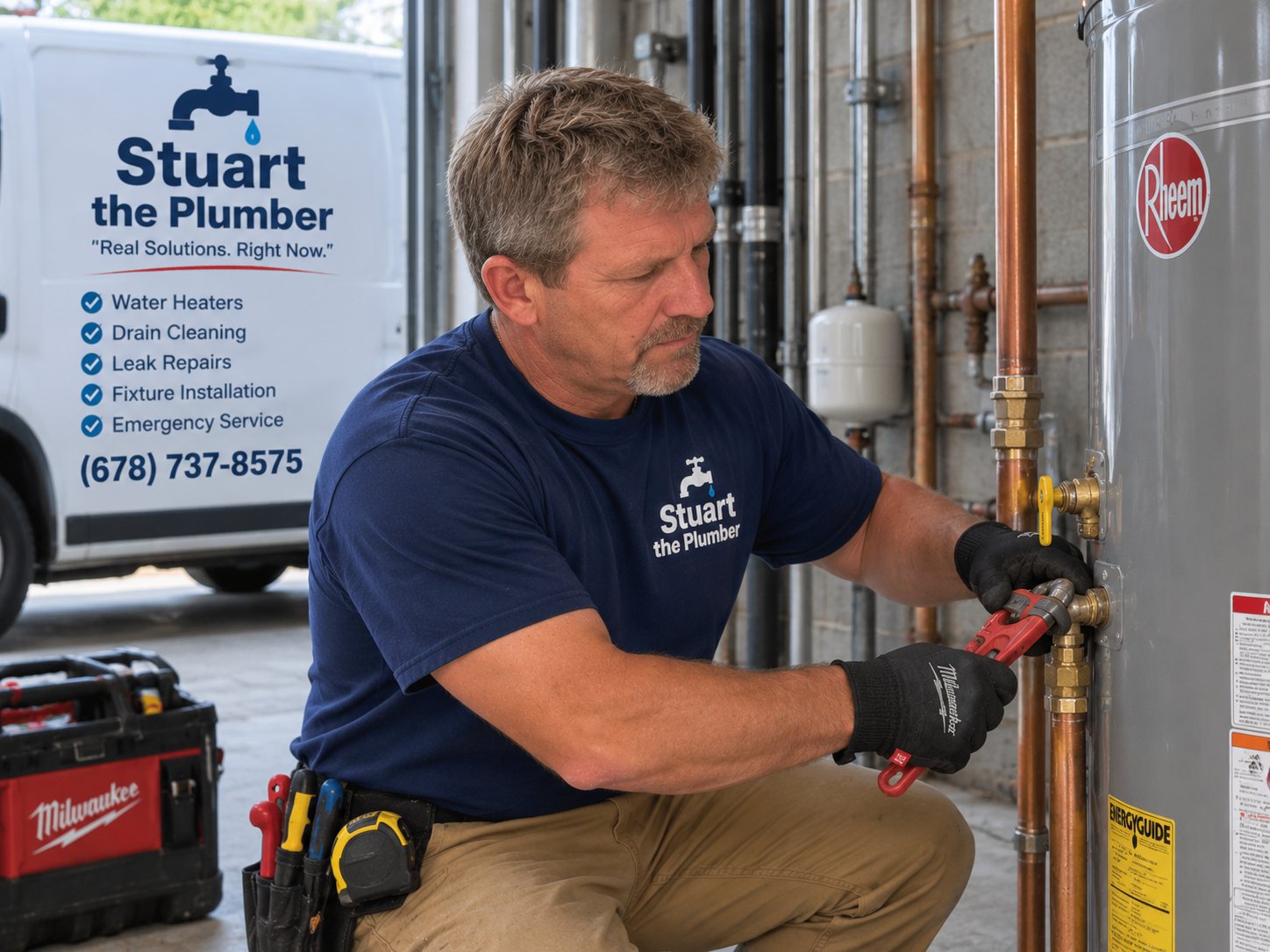
You step into the shower in your Braselton home, turn the handle, and wait for the warmth. Instead, you get a shock of ice-cold water that instantly ruins your morning. It’s a frustrating situation, and your first thought is likely about the logistics: how long does it take to replace a water heater? You might worry that a replacement means your family will be without water for days or that a crew will be camped out in your utility room all week.
We understand that a lack of hot water feels like a household emergency. It’s stressful when your routine is disrupted, and you need a clear answer without any vague estimates. You deserve to know exactly when you can get back to your normal schedule without unnecessary delays or hidden complications.
This guide provides a realistic look at the installation timeline from the first drain to the final safety check. You’ll learn the difference in labor between unit types and what specific factors in North Georgia homes can speed up or slow down the job. We’ll also share how Stuart the Plumber, LLC helps you prepare so the process is as fast and efficient as possible.
Quick Estimates for Water Heater Replacement
- Most standard tank-to-tank replacements are completed in 2 to 4 hours, including the time needed to drain the old unit.
- Understanding how long does it take to replace a water heater allows you to prepare for a brief period without water service while the new unit is secured.
- Installation times vary based on the unit’s location, with attic or basement setups often taking more effort than garage installations.
- Switching technology or fuel sources, such as moving from electric to gas, will add complexity and extra labor hours to the project.
- Clearing a path to the unit and providing your model number beforehand helps Stuart The Plumber work more efficiently in your North Georgia home.
The Standard Water Heater Replacement Timeline
Most homeowners in North Georgia are surprised to learn that a professional tank-to-tank swap is a methodical process rather than a simple plug-and-play task. When asking how long does it take to replace a water heater, the standard window for an expert crew is typically 2 to 4 hours. This timeframe covers every step from the moment we arrive at your property until the final hot water test is successfully completed.
Phase 1: Why Draining Takes the Most Time
Draining the old tank usually consumes 30 to 60 minutes of the total appointment. In communities like Braselton and Hoschton, mineral-heavy water often causes significant sediment buildup over the years. This heavy sludge can block the drain valve, slowing the water flow to a crawl. To keep the project moving, Stuart the Plumber, LLC uses specialized high-volume pumps to bypass these clogs and empty the unit much faster than a standard gravity drain ever could.
Phase 2 & 3: The Technical Swap
Once the tank is empty, disconnecting and removing the old unit takes approximately 30 minutes. We focus on safely isolating gas lines or high-voltage electrical connections to prevent any hazards. The positioning and plumbing of the new unit is the most detailed phase, usually lasting 45 to 90 minutes. Modern water heaters are often wider than older models due to updated insulation requirements. This means we must frequently modify your existing copper or PEX piping to ensure a perfect, leak-free fit. During this stage, we also install mandatory safety components, like thermal expansion tanks, to protect your home’s plumbing integrity.
The final 20 to 30 minutes are dedicated to Phase 4: safety testing and recovery. We check every joint for leaks and verify that gas pressure or electrical draws meet exact manufacturer specifications. This methodical approach to a water heater replacement ensures that your system is reliable and safe from the very first shower.
Variables That Impact Your Installation Speed
While we aim for efficiency, several real-world factors determine how long does it take to replace a water heater in your specific home. A unit sitting in an open garage is a different job than one tucked in a tight crawlspace. These variables can either streamline the process or add necessary labor hours to ensure the job is done right.
Physical Access and Unit Location
Unit location is the biggest variable in any installation. Garage installations are typically the fastest. They offer easy drainage and direct access for moving heavy equipment. In contrast, attic installations in Braselton homes often require two technicians for safety. This ensures we can safely navigate stairs and ceiling joists without damaging your property. Crawlspace replacements are often the most time-consuming. Limited mobility and low clearance mean every step of the process, from draining to soldering, takes longer than usual.
Upgrading to Modern Safety Standards
Bringing an old system up to 2026 Georgia standards adds time but prevents future disasters. We often need to add a drip pan and a dedicated drain line where one did not exist before. This protects your floors from slow leaks and water damage. We also check and update old gas shut-off valves to ensure they meet current safety compliance. Code-required upgrades are essential for long-term home insurance validity. If you are unsure if your current system meets these standards, you can reach out to our team for a professional assessment.
Fuel source changes also impact the schedule. Switching from an electric unit to a gas model requires the installation of new venting and gas lines. This can easily double the installation time compared to a standard swap. Access hurdles like narrow doorways or cluttered utility closets also create delays. If a technician has to move obstacles or navigate tight corners with a heavy tank, it adds time to the removal and positioning phases. Every home in North Georgia is unique, and we prioritize a thorough, safe installation over a rushed one.
Tank vs. Tankless: How Technology Affects the Clock
While we’ve established that a standard swap is relatively quick, the type of technology you choose drastically changes the schedule. For a straightforward tank-to-tank replacement, the timeline remains 2 to 4 hours. However, if you already have a tankless unit and are upgrading to a newer model, the process typically requires 3 to 5 hours. This extra time is necessary for the precise calibration of the digital control board and ensuring the high-efficiency heat exchanger is perfectly seated and vented.
The biggest shift in the schedule occurs when you ask how long does it take to replace a water heater during a full conversion. Moving from a traditional tank to a tankless system is a major mechanical overhaul that often takes 8 hours or more. This isn’t just about moving a unit; it’s about re-engineering the way your home processes gas and exhaust. If you’re considering making the switch, our complete guide to tankless water heater installation Georgia homeowners can rely on walks you through everything you need to know before committing to the project.
The Complexity of Tankless Conversions
Venting and gas line sizing are the main factors that extend the clock during a conversion. Traditional tanks usually vent through a chimney or a basic metal pipe. High-efficiency tankless units require specialized PVC or polypropylene venting that must be routed through an exterior wall. This involves precision cutting and sealing to ensure no exhaust gases enter your living space. Additionally, while a standard tank might pull 40,000 BTUs, a tankless unit can demand up to 199,000 BTUs. Stuart the Plumber, LLC often has to upsize your gas lines from the meter to the unit to handle this increased load safely.
Maintenance and Recovery Speed
Technology also impacts how soon you can use your water after we leave. Traditional tanks require a recovery period of 30 to 60 minutes to heat the first full volume of water. If you choose our tankless water heater services, you get hot water almost immediately. Once the digital controller is set and the unit fires up, the heating is instantaneous. This is a massive advantage for large families in North Georgia who can’t afford to wait for a tank to refill between morning showers.

How to Speed Up the Process Before Your Plumber Arrives
While our technicians handle the technical labor, you can help us shave significant time off the appointment. Understanding how long does it take to replace a water heater often comes down to the first fifteen minutes of the visit. If we can walk straight to the unit and begin the drain process immediately, the entire project stays on schedule. Preparation is the key to a fast, seamless swap.
Preparing the Workspace
Start by clearing a direct path from your front door or garage to the utility area. A standard water heater weighs roughly 150 lbs when empty, and navigating around boxes or furniture with a heavy dolly slows the process. Remove any storage items from the utility closet to give us room to work. We define the safe work zone as a 5-foot radius around the unit to ensure we have space for tools and soldering equipment. Keep pets and children clear of this zone and the path to the door for their safety during the heavy lifting phases.
You should also verify your unit type before we arrive. Snap a quick photo of the manufacturer label or have the model number ready. This helps us confirm we have the correct replacement unit and any specific fittings required for your home’s setup. Additionally, knowing the location of your main water shut-off and gas or electric valves prevents delays if we need to isolate the system quickly.
One professional tip: don’t try to drain the tank yourself if you see heavy corrosion around the drain valve. If that old plastic or brass valve snaps off, you’ll have a flood on your hands before we even get there. Leave the draining to us; we have the pumps and hoses to handle it safely.
When to Call Stuart The Plumber
If you notice a puddle forming at the base of your tank or hear a loud popping sound, don’t wait for a total failure. If you see active leaking, call for Emergency Plumbing immediately to prevent water damage to your home’s structure. A licensed plumber in Braselton ensures your new system meets all local safety codes and operates at peak efficiency from day one.
Schedule your water heater replacement with our North Georgia experts today.
Get Your Hot Water Back Today
Replacing a failing water heater doesn’t have to be a multi-day ordeal. For most North Georgia homes, a standard tank swap takes between 2 and 4 hours. If you are planning a more complex tankless conversion, expect the project to take a full workday. Understanding how long does it take to replace a water heater allows you to schedule the service with confidence and minimal disruption to your routine.
Our team at Stuart The Plumber focuses on efficiency and transparent communication. As licensed and insured plumbers serving Braselton, Gainesville, and Winder, we bring specialized expertise to every tank and tankless water heater installation Georgia homeowners trust. We respect your property and your time, ensuring every connection is secure and every safety code is met.
Don’t settle for another cold shower or worry about a leaking tank. Reach out to a local expert who can get your home’s hot water running reliably again.
Frequently Asked Questions
How long will my water be turned off during a water heater replacement?
Your main water supply will typically be turned off for 1 to 2 hours during the middle of the installation. We don’t need to shut the water off for the entire 2-to-4-hour appointment. Our team at Stuart The Plumber only closes the main valve when we are ready to disconnect the old tank and secure the new connections. This minimizes the disruption for families in Braselton who need to use other fixtures during the day.
Can a water heater be replaced in one day?
Yes, a professional water heater replacement is almost always completed in a single day. Most standard installations in North Georgia homes take between 2 and 4 hours to finish. Even complex tankless conversions are typically one-day projects, though they may require 8 hours or more. We prioritize getting your hot water back online quickly so you don’t have to deal with cold showers for multiple days.
Does it take longer to install a gas or electric water heater?
Gas water heaters generally take slightly longer to install than electric models. When asking how long does it take to replace a water heater, you have to account for gas line connections and exhaust venting. Electric units only require wiring and plumbing, which is often faster. However, if your Braselton home needs a new gas flue or updated gas valves to meet 2026 safety standards, the timeline will naturally extend to ensure a safe setup.
How long does it take for a new water heater to heat up?
A new gas tank usually takes 30 to 45 minutes to heat the first full volume of water, while electric tanks can take 60 to 90 minutes. This is known as the recovery time. If you choose a tankless system, the hot water is available almost immediately after the unit is powered on. Our technicians serving the Auburn area always perform a final hot water test before leaving your property to ensure the system is working perfectly.
Why does it take so long to drain an old water heater?
Sediment buildup is the primary reason draining takes 30 to 60 minutes. Over time, minerals in the North Georgia water supply settle at the bottom of the tank and turn into a thick sludge. This debris often clogs the drain valve, restricting the flow of water. At Stuart The Plumber, we use specialized pumps to pull water out faster when we encounter heavy sediment, helping to keep the project on schedule.
Is it faster to repair or replace a water heater?
A simple repair, such as replacing a heating element or a thermocouple, is usually faster and can be finished in under an hour. However, if your unit is over 10 years old or has a leaking tank, a full replacement is the more efficient long-term choice. Replacing the unit prevents recurring service calls and ensures your home in Hoschton has a reliable hot water supply without the fear of sudden failure. If you’re not yet sure whether your system needs a full replacement or just a repair, our no hot water troubleshooting guide for Georgia homes can help you diagnose the problem before scheduling a service call.

Article by
Stuart Balestracci
Stuart is a third-generation master plumber dedicated to providing dependable, honest plumbing service throughout Braselton and North Georgia. Building on a family tradition of hands-on trade expertise, he brings practical problem-solving and high standards to every job—from urgent leaks and clogged drains to water heaters, sewer lines, and whole-home repiping.
Stuart believes customers deserve clear answers, quality workmanship, and repairs that address the real issue—not a quick fix that creates another problem later. Through Stuart the Plumber, LLC, he serves homeowners, property managers, and businesses with professional service, straightforward communication, and respect for their property. The company operates as a licensed Georgia plumbing business, license MP208668.
Disclaimer
The information in this article is provided for general educational and informational purposes only. While Sturat the Plumber, LLC makes reasonable efforts to keep information accurate and current, plumbing conditions, building systems, local codes, manufacturer instructions, and repair requirements vary by property and may change over time.
This content is not a substitute for an on-site inspection, diagnosis, estimate, professional plumbing service, or advice from a properly licensed professional. Do not rely on this article to diagnose gas leaks, sewer backups, hidden water leaks, water-heater failures, burst pipes, or other potentially hazardous conditions.
Plumbing work can involve risks including water damage, electrical hazards, gas hazards, sewage exposure, structural damage, and personal injury. Always follow applicable local codes, product instructions, and safety requirements. For active leaks, suspected gas leaks, sewage backups, flooding, loss of water service, or any situation that may create an immediate safety risk, contact a qualified professional or emergency services as appropriate.
Sturat the Plumber, LLC does not guarantee that the information in this article is complete, suitable for every property, or applicable to your specific circumstances. Any decisions or actions taken based on this content are at your own risk. Sturat the Plumber, LLC disclaims liability for loss, damage, injury, expense, or other consequences arising from the use of or reliance on this information.
For an evaluation of your specific plumbing concern, contact Sturat the Plumber, LLC for professional service. Sturat the Plumber, LLC is a licensed Georgia plumbing business, license MP208668.