
Stepping into a warm shower only to get blasted by an icy shock midway through is the last thing any homeowner wants to face. Dealing with sudden temperature swings or staring at a cryptic digital error code is genuinely frustrating, especially when you worry that mineral scale has damaged your heat exchanger. When you need reliable tankless water heater repair North Georgia homeowners often wonder whether these unexpected failures mean a simple component fix or a complete system replacement.
You shouldn’t have to guess why your system is acting up or endure cold showers while searching for answers. This guide breaks down the primary mechanical causes behind fluctuating temperatures, decodes common system alert codes, and explains how to evaluate your repair options clearly. We’ll also preview the thorough diagnostic approach used by Stuart The Plumber, a licensed local plumbing company serving Braselton and nearby North Georgia communities, to help you restore steady hot water without unnecessary disruption.
Key Takeaways
- Spot early warning signs like fluctuating water temperatures and rumbling sounds to address mineral buildup before it triggers a complete system shutdown.
- Understand how critical components like flow sensors, ignition assemblies, and heat exchangers interact to prompt diagnostic safety codes.
- Learn practical ways to evaluate your equipment’s age and overall condition so you can choose between a targeted repair and a full system replacement.
- Discover what to expect during a diagnostic service visit when you need dependable tankless water heater repair North Georgia homes rely on for steady hot water.
Common Signs Your North Georgia Tankless Water Heater Needs Immediate Repair
Modern on-demand systems present distinct mechanical warning signs long before they suffer a total operational failure. Unlike conventional storage tanks that fail by leaking around rusted base pans, an on-demand unit alerts you through electronic sensor trips, fluctuating flow rates, and unusual combustion noises. Spotting these red flags early helps you arrange targeted tankless water heater repair North Georgia technicians can resolve before internal components face permanent stress.
The Cold Water Sandwich and Temperature Fluctuations
A momentary gap in hot water flow often creates the dreaded “cold water sandwich.” This happens when residual hot water exits your supply pipe, followed briefly by unheated water before the burner ignites again. While a brief delay is normal, frequent cycling points to a failing flow sensor switch or obstructed inlet filter. When scale chokes supply lines, restricted water volume triggers the unit’s high-limit safety switches, causing burner shutdowns during active showers. If you’re experiencing complete temperature loss, review our no hot water troubleshooting guide for Georgia homes for basic system checks.
Digital Error Codes and System Lockouts
Digital display interfaces provide real-time diagnostic telemetry, flashing alphanumeric codes when systems shut down. Common error codes highlight critical ignition lockouts, flame detection failures, or dangerous exhaust venting restrictions. Severe seasonal storms across North Georgia also trigger electrical line surges that scramble control board programming. Resetting your system might restore hot water temporarily, but repeatedly clearing lockout codes without addressing mechanical faults can burn out delicate printed circuit boards.
Mineral Scaling and Hard Water Strain
According to technical overviews of Tankless water heating engineering, continuous thermal transfer requires unobstructed internal fluid dynamics. Ground minerals bake directly onto intense heat exchanger surfaces during operation, creating thick calcium deposits that cut heat transfer efficiency and drop household water pressure. Overheating scale layers generate clicking or rumbling sounds inside the cabinet. If severe scale or line clogs cause backed-up drainage lines, pairing service with professional drain line repair keeps connected discharge pathways open and safe.
Key Mechanical Components That Fail in On-Demand Water Heaters
An on-demand water heater houses tightly synchronized water, electrical, and gas combustion assemblies inside a compact cabinet. Because modern units prioritize household safety, a fault in even one minor sensor triggers an immediate shutdown. When you need specialized tankless water heater repair North Georgia plumbing professionals test each circuit, valve, and probe individually to pinpoint the breakdown rather than swapping random parts.
Heat Exchanger Corrosion and Thermal Cracking
Rapid thermal cycling causes copper and stainless steel heating tubes to expand and contract repeatedly. Over time, that physical stress creates microscopic stress fractures. In high-efficiency condensing models, acidic moisture from exhaust gases can pool if drain traps clog, corroding external casing metals and piping joints. When visible moisture appears beneath the cabinet, knowing who to call for a leaking water heater helps prevent structural water damage to surrounding walls and flooring.
Ignition Systems and Flame Sensor Malfunctions
Gas-fired tankless units rely on delicate spark igniters and flame rectification rods. Microscopic carbon deposits gradually coat the metal probe, insulating it from the burner flame. When the control board cannot verify active combustion, it closes the gas solenoid valve to prevent raw gas leaks. Electric igniters can also wear down over time, causing repeated ignition failures. If your unit clicks repeatedly without lighting, you can reach out to our local team for accurate electrical component testing.
Venting Blockages and Combustion Air Intake
Proper airflow is just as vital as clean water delivery. Outdoor debris, leaves, and insect nests frequently obstruct concentric PVC and polypropylene intake pipes across North Georgia properties. Without adequate air intake, the burner starves of oxygen, causing incomplete fuel combustion and tripping internal draft sensors. A failing variable-speed exhaust blower fan can also drop air pressure, triggering sudden safety lockouts during hot water demand.
Tankless Repair vs. Replacement: Making the Right Decision for Your Home
Deciding between fixing a malfunctioning unit or replacing it outright comes down to age, service history, and component availability. While a conventional storage tank rarely lasts past a decade, on-demand hardware offers much greater durability when properly maintained. When weighing options for tankless water heater repair North Georgia homeowners should evaluate whether a targeted fix preserves an otherwise healthy appliance or merely delays an inevitable replacement.
Evaluating Unit Age and Component Longevity
Tankless water heaters deliver an expected lifespan of 15 to 20 years, roughly double the service life of standard 8-to-12-year storage tanks. If your on-demand system is under ten years old, replacing individual wear items like water valves, igniters, or sensors is usually the smartest path forward. Routine annual flushes protect those internal parts, keeping the system operating near peak efficiency across its full operational life.
Repair Costs vs. Upgrading to Modern High-Efficiency Units
A practical rule of thumb is to consider a new system if a major repair approaches half the cost of replacement hardware. When a primary heat exchanger fails on an older, non-condensing system, upgrading to a condensing model often proves more economical. Modern condensing units capture thermal energy from exhaust gases to achieve efficiency ratings exceeding 95%. Homeowners considering an upgrade can consult our Braselton water heater installation 2026 buying guide to assess high-efficiency configurations and regional code standards.
Preventative Descaling and Maintenance Requirements
Preventative care dramatically reduces the frequency of emergency calls. Professional descaling involves circulating a food-grade solution through service isolation valves using a specialized submersible pump to dissolve hardened calcium bonds. Technicians also remove and rinse the cold-water inlet filter screen to stop trapped sediment from starving water flow. Scheduling annual chemical flushes directly protects the heat exchanger and preserves active manufacturer warranties. Ensuring proper condensation runoff into your household plumbing or scheduling targeted drain line repair prevents acidic drainage backup from corroding nearby utility surfaces.

What to Expect During a Professional Tankless Water Heater Repair Service
Professional service begins with safety isolation before anyone loosens a single screw. Technicians shut off incoming water valves, isolate fuel supplies, and disconnect high-voltage electrical breakers. When scheduling comprehensive tankless water heater repair North Georgia homeowners should expect methodical diagnostics rather than fast guesswork. Field specialists systematically inspect the burner box, check mechanical intake blowers, and verify water turbine movement to diagnose root causes accurately.
On-Site Diagnostic Testing and Safety Verification
Accurate troubleshooting relies on specialized testing equipment. Plumbers connect digital manometers to verify static and dynamic gas supply pressures under full operating load. They use digital multimeters to measure electrical resistance across thermostats, flame sensors, and printed circuit board pathways. Technicians also confirm that acidic moisture routes freely through condensation drains without backing up into combustion chambers.
Component Replacement and System Recalibration
Once diagnostic testing identifies the failed part, the replacement process follows strict manufacturer specifications:
- Precision installation: Faulty parts like flow meters, solenoid valves, or control modules are swapped with certified replacements designed for your specific brand.
- Fuel-air balancing: Burner assemblies are calibrated to ensure clean combustion and proper exhaust temperatures.
- Joint and pressure testing: Plumbers complete soap-bubble gas checks and high-pressure water leak tests across all unions before restoring active utility lines.
Partnering with Stuart The Plumber for Reliable Hot Water
Stuart The Plumber serves Braselton and neighboring North Georgia communities with honest, skilled water heater service. We prioritize thorough diagnostics to repair your working equipment whenever practical, recommending system replacement only when extensive damage makes repairs unwise. If your on-demand system locks out or stops heating, schedule an on-site evaluation with Stuart The Plumber to get your home’s hot water flowing reliably again.
Restore Reliable Hot Water to Your Home
You shouldn’t have to tolerate cold showers or spend hours deciphering system error codes. Addressing early warning signs like flow fluctuations and mineral accumulation protects your equipment against premature failure. When an on-demand unit acts up, obtaining dependable tankless water heater repair North Georgia homeowners trust ensures pinpoint diagnostic testing and lasting mechanical resolutions.
Stuart The Plumber delivers honest, licensed plumbing expertise to families throughout Braselton, Hoschton, Buford, and nearby communities. From targeted sensor replacements to preventative descaling and waterline care, our team focuses on finding the right fix for your specific system. Getting your hot water running smoothly again is just a phone call away.
Take control of your home comfort today and let our local plumbing team handle the rest with care and precision.
Frequently Asked Questions
Why is my tankless water heater blowing cold water after running hot?
This issue usually happens because of a sudden drop in water flow, a sticking flow sensor, or an overheating heat exchanger tripping internal safety switches. If water usage dips below your unit’s minimum activation flow rate, the burner shuts off immediately. Mineral scaling can also trap excessive heat inside the exchanger, prompting the high-limit thermostat to kill power and deliver an unexpected burst of cold water.
Can hard water ruin a tankless water heater in North Georgia?
Yes, dissolved calcium and magnesium bake directly onto internal heating chambers during rapid thermal transfer. Over time, this calcified layer restricts water flow and insulates critical temperature sensors. Without regular maintenance, severe scale creates localized hot spots across the copper or stainless tubing, causing metal fatigue, thermal stress fractures, and leaks that require professional tankless water heater repair North Georgia homeowners want to prevent.
What do the error codes on my tankless water heater mean?
Error codes are diagnostic signals generated by the internal computer board to pinpoint specific system faults. These alphanumeric indicators highlight issues like unstable gas pressure, blocked intake venting, failed electronic ignition, or severe scale buildup. Rather than guessing why your unit locked out, checking your manufacturer manual or contacting a licensed technician ensures the code translates into a precise, targeted mechanical repair.
How often should a tankless water heater be flushed and serviced?
Most manufacturers recommend flushing and servicing an on-demand system once every 12 months. Annual descaling with an approved solution dissolves stubborn mineral buildup inside heat exchanger passages before water flow is choked. Routine maintenance visits also include cleaning out the cold-water inlet filter screen, inspecting electrical connections, and verifying clean burner combustion to ensure dependable performance throughout the year.
Is it better to repair or replace an aging tankless water heater?
Repair is usually the best choice for units under 10 years old that have received regular maintenance and only need replacement parts like sensors, valves, or igniters. If your unit is approaching 15 to 20 years old or has a cracked, leaking heat exchanger, replacement is often the more sensible investment. A qualified technician evaluates overall equipment wear and component availability before advising on the smartest path forward.
Can any licensed plumber repair my specific brand of tankless heater?
While any licensed plumber understands household piping, modern on-demand units require specialized knowledge of digital control boards, combustion calibration, and advanced error diagnostics. When arranging tankless water heater repair North Georgia property owners should choose plumbers trained in electronic troubleshooting. Stuart The Plumber services major gas and electric tankless brands across Braselton and surrounding communities, resolving complex mechanical and venting issues safely.
Article by
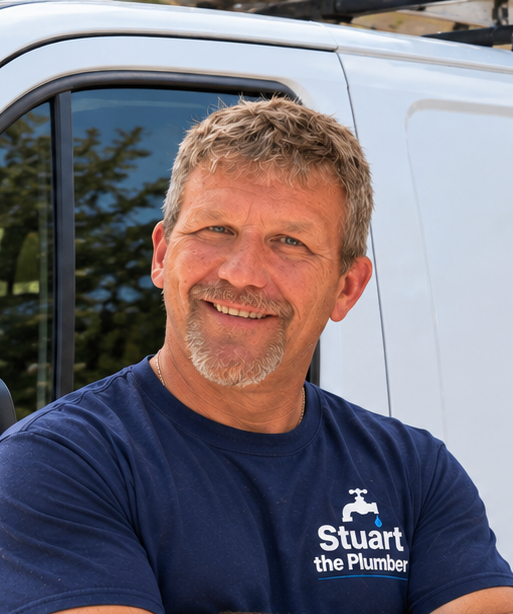
Stuart Balestracci
Stuart is a third-generation master plumber dedicated to providing dependable, honest plumbing service throughout Braselton and North Georgia. Building on a family tradition of hands-on trade expertise, he brings practical problem-solving and high standards to every job—from urgent leaks and clogged drains to water heaters, sewer lines, and whole-home repiping.
Stuart believes customers deserve clear answers, quality workmanship, and repairs that address the real issue—not a quick fix that creates another problem later. Through Stuart the Plumber, LLC, he serves homeowners, property managers, and businesses with professional service, straightforward communication, and respect for their property. The company operates as a licensed Georgia plumbing business, license MP208668.
Disclaimer
The information in this article is provided for general educational and informational purposes only. While Sturat the Plumber, LLC makes reasonable efforts to keep information accurate and current, plumbing conditions, building systems, local codes, manufacturer instructions, and repair requirements vary by property and may change over time.
This content is not a substitute for an on-site inspection, diagnosis, estimate, professional plumbing service, or advice from a properly licensed professional. Do not rely on this article to diagnose gas leaks, sewer backups, hidden water leaks, water-heater failures, burst pipes, or other potentially hazardous conditions.
Plumbing work can involve risks including water damage, electrical hazards, gas hazards, sewage exposure, structural damage, and personal injury. Always follow applicable local codes, product instructions, and safety requirements. For active leaks, suspected gas leaks, sewage backups, flooding, loss of water service, or any situation that may create an immediate safety risk, contact a qualified professional or emergency services as appropriate.
Sturat the Plumber, LLC does not guarantee that the information in this article is complete, suitable for every property, or applicable to your specific circumstances. Any decisions or actions taken based on this content are at your own risk. Sturat the Plumber, LLC disclaims liability for loss, damage, injury, expense, or other consequences arising from the use of or reliance on this information.
For an evaluation of your specific plumbing concern, contact Sturat the Plumber, LLC for professional service. Sturat the Plumber, LLC is a licensed Georgia plumbing business, license MP208668.

