Could a weak shower point to a clogged screen, while low pressure throughout your home signals a broader problem? For a low water pressure fix Georgia homeowners should first check where the issue occurs, rather than reach for tools. Weak flow at one faucet, hot water only, or every fixture can point to different possible causes.
A sudden pressure drop can raise concerns about a hidden leak or damaged water line. Some initial checks are simple and don’t require taking plumbing apart. This checklist explains how to note the pattern, safely inspect a fixture aerator or accessible shutoff valve, and recognize signs that call for professional help.
Before arranging service, note which fixtures are affected and whether nearby homes or businesses have noticed the same change. Stuart the Plumber, LLC is a licensed local plumbing company serving Braselton and nearby North Georgia communities, with services including leak detection, water-line repair and replacement, and water-heater repair.
Key Takeaways
- Track whether weak flow affects one fixture, one floor, hot water, or the whole property. The pattern can help narrow down possible causes.
- A low water pressure fix Georgia homeowners can start with is checking for visible fixture buildup or a partially closed accessible valve. Don’t take plumbing apart.
- Persistent pressure loss, signs of a leak, or a water-line concern may need professional assessment instead of trial-and-error repairs.
- If practical, ask nearby neighbors or businesses whether they’ve noticed a similar interruption, then share what you learn when arranging service.
- A plumber can use your observations to guide an inspection of fixtures, plumbing lines, or the water heater without assuming the cause in advance.
Low Water Pressure in Georgia: Start by Identifying Where It Happens
Where and when weak flow occurs are useful clues. Before choosing a low water pressure fix Georgia homeowners can safely try, check whether the problem affects one faucet, several fixtures, one floor, hot water only, or the entire property. These observations can help narrow down possible causes, but they don’t confirm a diagnosis.
Note when the change began and whether it came on suddenly or gradually. Recent plumbing work may also be relevant. Record which fixtures are affected and whether the flow changes when other fixtures are in use. For a basic explanation of what water pressure is, see how pressure relates to flow. Weak flow at one fixture may have a different cause from a broader supply problem.
Does low water pressure affect one faucet or the whole property?
Compare a faucet with another faucet or shower. If only one fixture has weak flow, look for visible buildup on its aerator or showerhead. Don’t force parts that resist. If several fixtures are affected, write down which rooms and floors they’re on. A pattern across the property may warrant a wider assessment, but it doesn’t identify the cause by itself.
Is the problem limited to hot water?
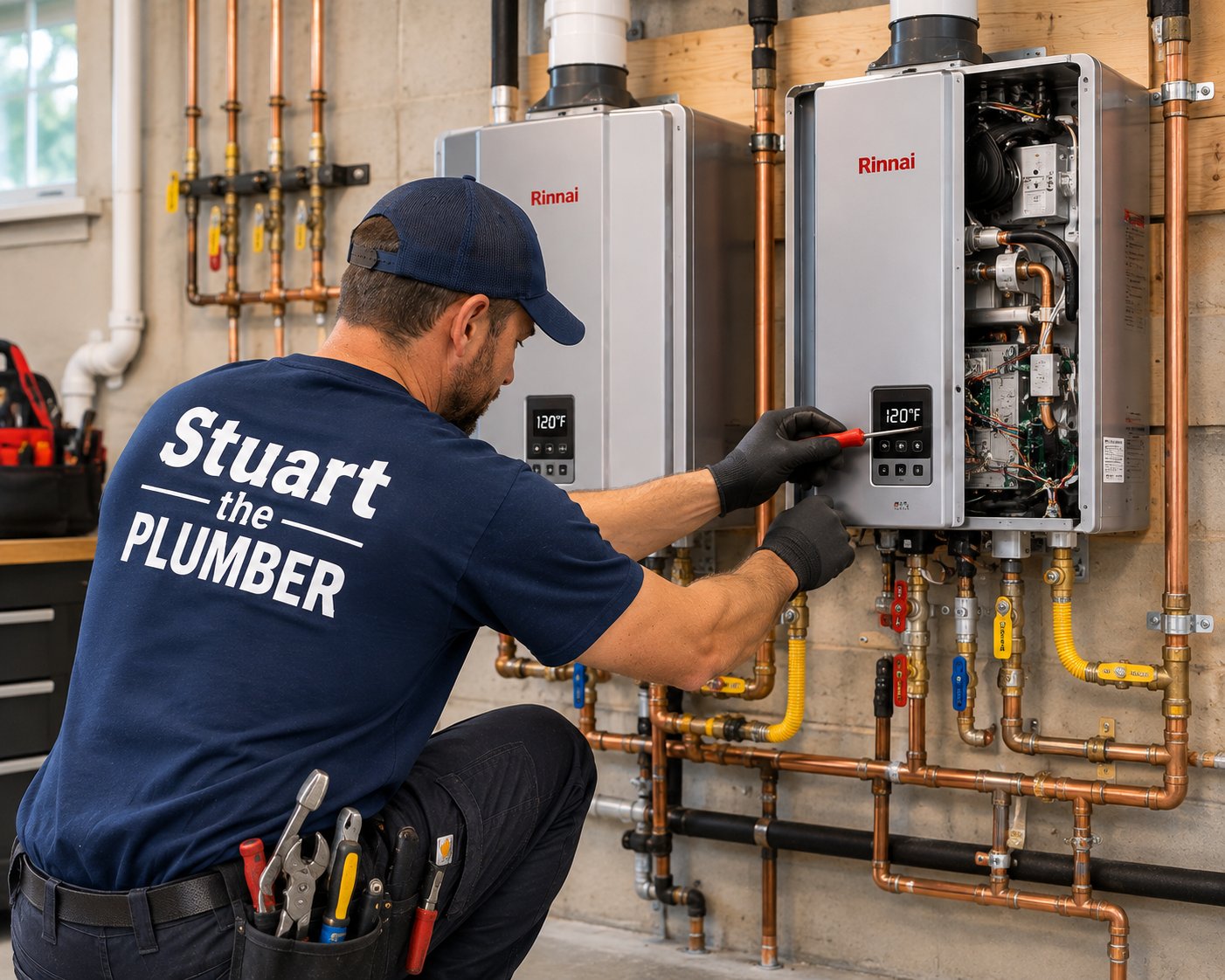
At the same fixture, compare hot and cold flow without adjusting plumbing components. If cold water flows normally but hot water is weak, a water-heater-related issue is one possibility. That observation doesn’t prove the heater is responsible. If your home has a tankless system, see the tankless water heater repair guide for related troubleshooting information.
Use the pattern to guide the next check, not to guess at a repair. Weak flow on one floor, for example, can help a plumber focus an assessment. A change across the whole property may involve a broader part of the plumbing system. Keep track of whether the problem is steady or intermittent, and mention any recent work when arranging service.
Common Causes of Low Water Pressure in North Georgia Homes
Weak flow can result from a restriction at one fixture or an issue affecting more of the plumbing system. The symptom offers clues, not a confirmed diagnosis. Use the table to organize what you’ve noticed before deciding what to do next.
| Symptom | Possible cause |
|---|---|
| One faucet or shower has weak flow | Buildup in the aerator or showerhead, or a partially closed fixture shutoff valve |
| Several fixtures or the whole property are affected | A partially closed main shutoff, hidden plumbing leak, water-line problem, or malfunctioning pressure-reducing valve (PRV) |
| Pressure drops across the property without a clear fixture issue | A supply interruption may be one possibility. Ask nearby neighbors or businesses whether they’re noticing it too. |
What can cause weak flow at one fixture?
A clogged faucet aerator or showerhead can restrict flow at that fixture. Look for visible buildup and check whether its accessible shutoff valve appears fully open. Don’t force the valve. Stop if it’s stuck or damaged, or if water starts leaking. For a concern limited to one fixture, a faucet and fixture assessment may help identify what needs attention.
What can cause low pressure throughout a home or business?
Check whether the main shutoff appears partly closed, but don’t try to adjust a valve that’s stuck or leaking. A hidden leak or water-line issue can affect multiple fixtures. A PRV, which helps manage incoming water pressure, may also affect flow if it isn’t working properly. These conditions call for assessment rather than guesswork.
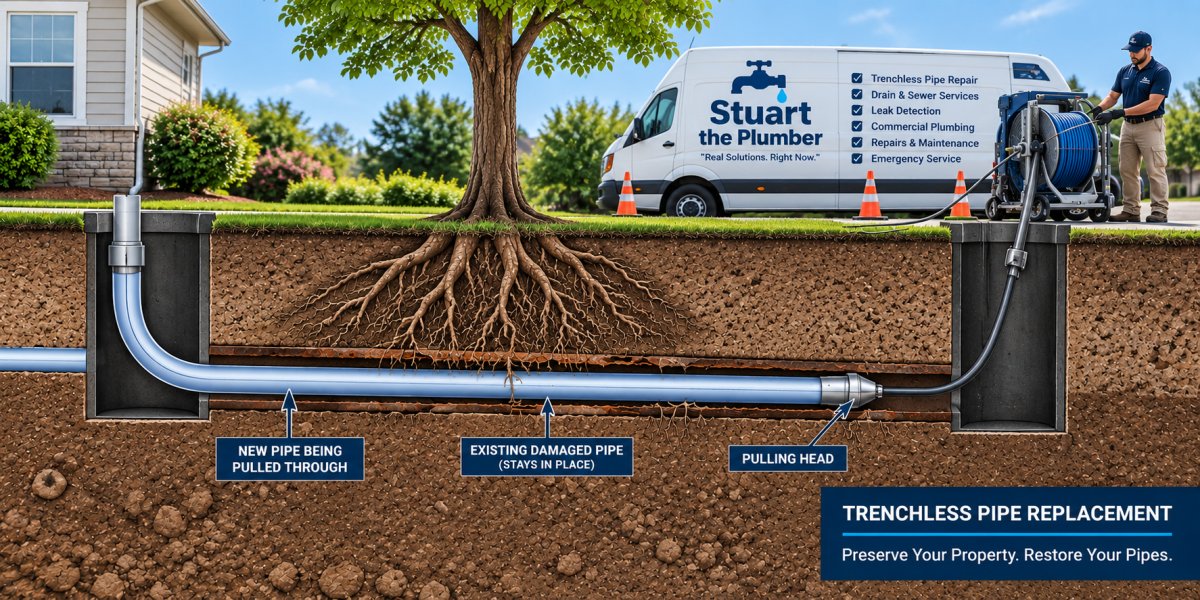
For persistent symptoms throughout a property, a plumber may inspect the shutoff, water line, and pressure-regulating equipment to narrow down possible causes. Stuart The Plumber provides leak detection and water-line repair and replacement in Braselton and nearby North Georgia communities. Ask about water-line repair and replacement when discussing the issue. The Georgia Environmental Protection Division provides background on Georgia’s public water standards, but that information doesn’t determine the cause of a pressure issue inside a particular property.
If weak flow continues or you’re concerned about a leak, contact a local plumbing professional to discuss what you’ve observed.
Low Water Pressure Fix Checklist: Safe Checks Before Calling a Plumber
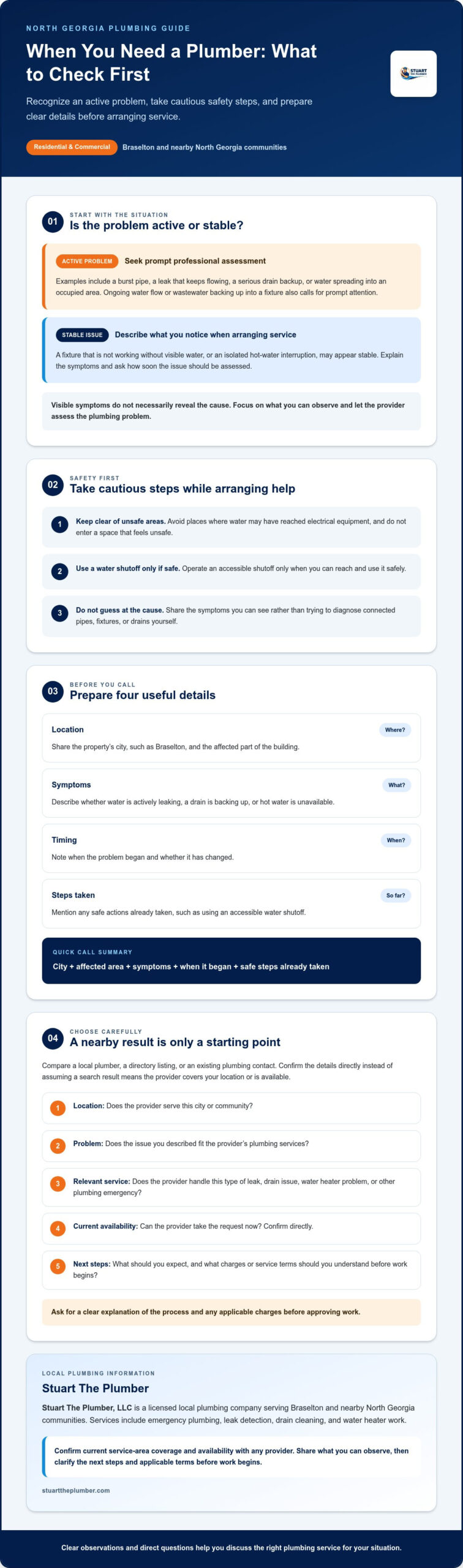
A practical low water pressure fix Georgia checklist starts with observation, not repairs. Follow these steps in order, and stop if a check feels unsafe or you find signs of damage.
- Record the pattern. Note which fixtures are affected, whether the issue is limited to hot or cold water, and whether the pressure changed suddenly or gradually. Write down any recent plumbing work, too.
- Compare fixtures. Test a few faucets and a shower. If practical, ask a neighbor or nearby business whether they’ve noticed a similar interruption. A wider pattern may suggest a supply issue, but it doesn’t confirm one.
- Look for visible leaks or moisture. Check accessible areas such as under sinks and around exposed plumbing. Note damp spots or unexplained water use. Don’t open walls or dig to search for a leak.
- Inspect a single weak fixture. Look for visible buildup on its aerator or showerhead. Clean it only if removal is straightforward and you can do so without forcing parts.
- Check accessible shutoff valves gently. See whether a valve appears partly closed, but don’t force a stuck, corroded, or damaged handle.
Which low-pressure checks are reasonable to do yourself?
Comparing hot and cold flow at the same fixture can clarify the symptom without adjusting plumbing. You can also inspect an accessible aerator or showerhead and gently check visible valves. Stop if a part resists, a valve starts leaking, or you’re unsure how to proceed. Avoid disassembling plumbing or attempting repairs beyond these basic observations.
When should you stop troubleshooting and call a plumber?
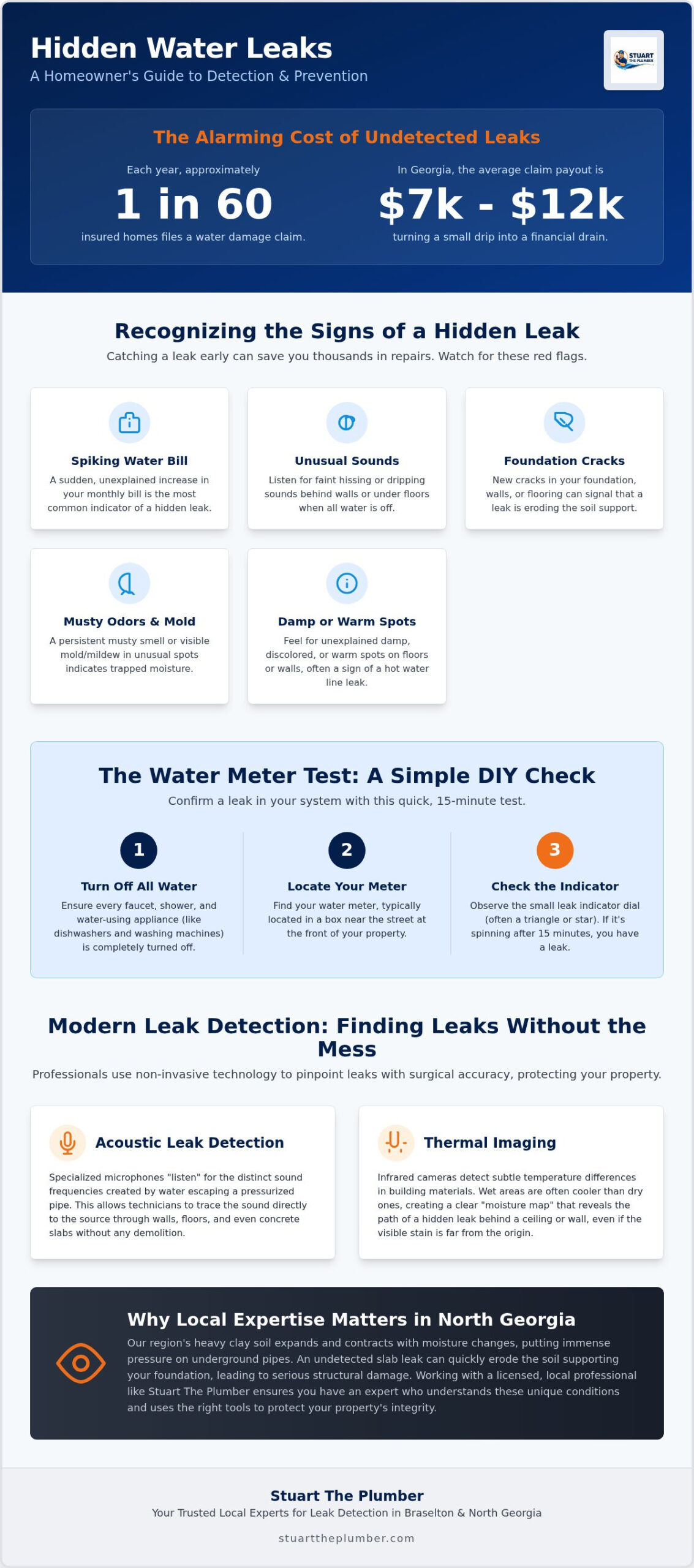
Get professional help if several fixtures remain affected after basic checks, or if low pressure comes with active leaking, damp areas, water damage, or unexplained water use. A sudden pressure loss deserves prompt attention, particularly when there’s visible leaking. If you suspect a concealed leak, read about professional hidden leak detection. Stuart The Plumber is a licensed local plumbing company serving Braselton and nearby North Georgia communities, with leak detection and water-line services.

Getting a Low Water Pressure Fix in Georgia: What to Expect From a Plumber
A plumber can use your description of the pressure problem to guide an assessment. Which fixtures are affected, whether hot or cold water is involved, and whether the issue began suddenly or gradually all help determine what to check. Depending on the symptoms, they may inspect relevant fixtures, accessible shutoff valves, the water heater, pressure-regulating equipment, or water lines.
These checks help narrow down possible causes. The pattern alone can’t confirm whether the issue comes from a fixture, leak, valve, water line, or another part of the plumbing system. Any recommended next step depends on what the assessment shows.
What information should you share when scheduling service?
A few clear details make the conversation more useful. Note which fixtures, floors, or units have weak flow and whether hot water is affected. Include when the problem began and whether the change seemed sudden or gradual. Mention recent plumbing work, visible moisture, or unexplained water use. Stick to what you’ve observed rather than trying to diagnose the cause.
How can North Georgia property owners get the right next step?
Stuart The Plumber is a licensed local plumbing company serving Braselton and nearby North Georgia communities. Relevant services include leak detection and water-line repair and replacement. Visit the Braselton plumber page for Braselton-area service information.
For a low water pressure fix Georgia property owners can pursue with confidence, describe the symptom pattern and ask what assessment may be appropriate. Contact a plumber about persistent pressure concerns, especially if you’ve noticed signs of a leak or water-line issue.
Take the Next Step Toward Restoring Steady Water Flow
A useful low water pressure fix Georgia starts with identifying where weak flow occurs. Check whether it affects one fixture, hot water, or the whole property. Note when it began and whether you can see signs of moisture. These observations can guide your next step, but they can’t confirm the cause.
Keep troubleshooting safe. Don’t force stuck valves or open walls to search for a leak. If pressure loss persists across several fixtures, starts suddenly, or comes with active leaking or water damage, arrange a professional assessment. Sharing what you’ve observed can help a plumber understand what needs checking.
Stuart The Plumber is a licensed local plumbing company serving Braselton and nearby North Georgia communities. Relevant services include leak detection and water-line repair and replacement.
With a clear picture of the symptoms and the right help, you can take the next step with greater confidence.
Frequently Asked Questions
Why is my water pressure suddenly low throughout the house?
A sudden whole-house pressure drop may be related to a partly closed main shutoff, a plumbing leak, a water-line problem, or a malfunctioning pressure-reducing valve. A supply interruption is another possibility, especially if nearby neighbors notice the same change. Check for visible leaks and note which fixtures are affected, but don’t force valves or attempt complex repairs. These clues can help a plumber assess the issue, but they don’t confirm its cause.
Can I fix low water pressure by cleaning the faucet aerator?
Cleaning the aerator may help if weak flow is limited to one faucet and visible debris or mineral buildup is restricting water. Remove it only if it comes off easily, then clean and reinstall it carefully. If it’s stuck, damaged, or starts leaking, stop rather than forcing it. If other faucets and the shower also have weak flow, the cause may not be at that single fixture.
How do I know if low water pressure is caused by a leak?
You can’t confirm a leak from low pressure alone, but damp areas, visible drips, water damage, or unexplained water use are reasons to investigate. Look only in accessible areas, such as under sinks or around exposed pipes. Don’t open walls or dig to search for a hidden leak. If pressure loss occurs with moisture or signs of water damage, contact a plumber about professional leak detection.
Why is my hot water pressure low but my cold water pressure normal?
If cold flow is normal but hot flow is weak at the same fixture, a water-heater-related issue is one possibility. The symptom doesn’t prove the heater is the cause, since another part of the hot-water plumbing may be involved. Note whether the issue affects one fixture or several, and avoid adjusting heater components. Stuart The Plumber handles water-heater repair and installation for residential and commercial properties.
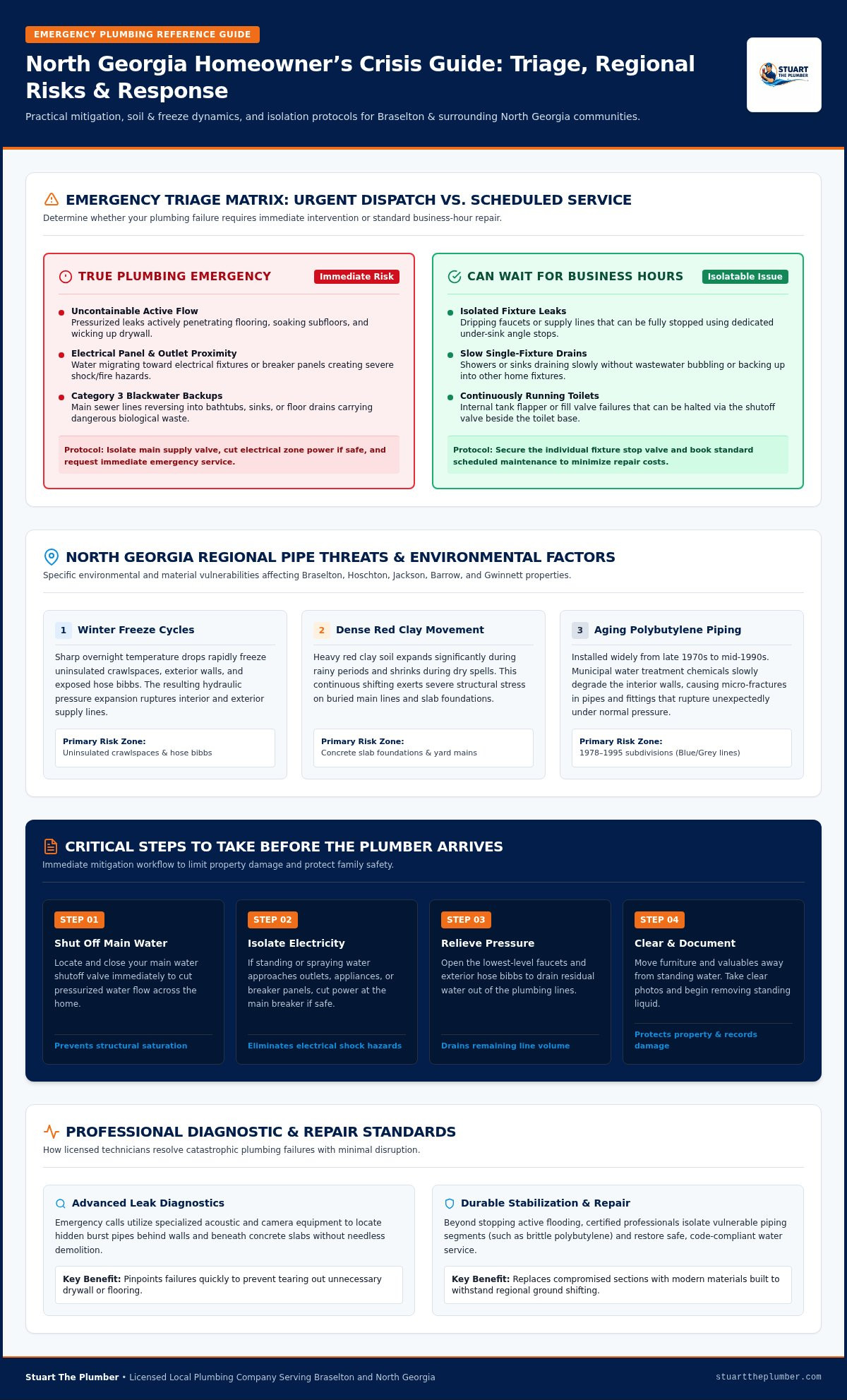
Is low water pressure an emergency?
Low pressure by itself isn’t always an emergency, but sudden pressure loss with active leaking, water damage, or significant moisture calls for prompt plumbing help. If you see water near electrical equipment, avoid the area and seek appropriate immediate assistance. Don’t try to find a concealed leak by opening walls or digging. Share what changed and where you see water when contacting a plumbing professional.
When should I call a plumber for low water pressure in Georgia?
Call a plumber if weak flow affects several fixtures, persists after safe checks, or appears alongside a leak, damp area, or unexplained water use. Stuart The Plumber is a licensed local company serving Braselton, Hoschton, Auburn, Winder, Dacula, Jefferson, Flowery Branch, Oakwood, Gainesville, Buford, Sugar Hill, Lawrenceville, Suwanee, Duluth, Grayson, Loganville, Commerce, and Johns Creek. For a low water pressure fix Georgia homeowners can explore, describe the symptoms and ask about an assessment.

Article by
Stuart Balestracci
Stuart is a third-generation master plumber dedicated to providing dependable, honest plumbing service throughout Braselton and North Georgia. Building on a family tradition of hands-on trade expertise, he brings practical problem-solving and high standards to every job—from urgent leaks and clogged drains to water heaters, sewer lines, and whole-home repiping.
Stuart believes customers deserve clear answers, quality workmanship, and repairs that address the real issue—not a quick fix that creates another problem later. Through Stuart the Plumber, LLC, he serves homeowners, property managers, and businesses with professional service, straightforward communication, and respect for their property. The company operates as a licensed Georgia plumbing business, license MP208668.
Disclaimer
The information in this article is provided for general educational and informational purposes only. While Sturat the Plumber, LLC makes reasonable efforts to keep information accurate and current, plumbing conditions, building systems, local codes, manufacturer instructions, and repair requirements vary by property and may change over time.
This content is not a substitute for an on-site inspection, diagnosis, estimate, professional plumbing service, or advice from a properly licensed professional. Do not rely on this article to diagnose gas leaks, sewer backups, hidden water leaks, water-heater failures, burst pipes, or other potentially hazardous conditions.
Plumbing work can involve risks including water damage, electrical hazards, gas hazards, sewage exposure, structural damage, and personal injury. Always follow applicable local codes, product instructions, and safety requirements. For active leaks, suspected gas leaks, sewage backups, flooding, loss of water service, or any situation that may create an immediate safety risk, contact a qualified professional or emergency services as appropriate.
Sturat the Plumber, LLC does not guarantee that the information in this article is complete, suitable for every property, or applicable to your specific circumstances. Any decisions or actions taken based on this content are at your own risk. Sturat the Plumber, LLC disclaims liability for loss, damage, injury, expense, or other consequences arising from the use of or reliance on this information.
For an evaluation of your specific plumbing concern, contact Sturat the Plumber, LLC for professional service. Sturat the Plumber, LLC is a licensed Georgia plumbing business, license MP208668.