Tag: hydro jetting

  • Sewer Drain Cleaning Georgia: The Homeowner’s Guide to Main Line Care

    Sewer Drain Cleaning Georgia: The Homeowner’s Guide to Main Line Care

    You run your washing machine, and moments later, foul-smelling water bubbles up into your downstairs bathtub. When multiple fixtures back up simultaneously, a hand plunger won’t fix the issue. You are facing an underground blockage that calls for professional sewer drain cleaning Georgia homeowners can depend on.

    It’s an unnerving situation. Lingering sewer smells, gurgling toilets, and the anxiety of potential water damage can quickly leave you feeling overwhelmed, especially when you aren’t sure whether your system needs basic mechanical snaking or heavy-duty hydro jetting.

    You don’t have to face this blindly. In this guide, you’ll learn how to identify, clear, and prevent main sewer line clogs using proven plumbing methods. We’ll explore why North Georgia’s shifting red clay and invasive tree roots trigger severe blockages, break down the differences between cable augers and high-pressure jetting, and show you when to call a licensed local team like Stuart The Plumber to restore your lines.

    Key Takeaways

    • Learn how to tell the difference between an isolated sink blockage and a serious main sewer backup before wastewater damages your home.
    • Understand how North Georgia’s expansive red clay soil and native tree roots create continuous structural stress on underground sewer laterals.
    • Discover when mechanical snaking provides a temporary opening versus when hydro jetting delivers the comprehensive sewer drain cleaning Georgia properties need for long-term flow.
    • Find out why licensed plumbers use high-definition camera inspections to assess pipe integrity before clearing lines and to protect your yard from unnecessary digging.
    • Identify everyday drain care habits that help stop recurring backups and know the right time to call a trusted local plumber for service.

    Recognizing Main Sewer Drain Clogs in Georgia Homes

    A single slow sink is an inconvenience. A clogged main sewer line is an immediate property emergency. When the central lateral line connecting your house to the municipal system stops moving, waste water has nowhere to escape. It backs up into your living spaces through the lowest plumbing fixtures. Recognizing these warning signs early keeps contaminated water from ruining your flooring, subflooring, or basement.

    Many homeowners reach for store-bought chemical drain cleaners at the first sign of trouble. Don’t make this mistake. Chemical cleaners sit in standing wastewater, generating caustic heat that eats through older cast-iron and PVC joints without dissolving heavy underground obstructions. When you face widespread drainage failures, you need professional diagnostic methods and proper sewer drain cleaning Georgia plumbers use to solve the root problem safely.

    Telltale Signs of a Main Sewer Line Blockage

    Main sewer issues show up across multiple rooms at the same time. Keep an eye out for these critical red flags:

    • Simultaneous backups: Flushing an upstairs toilet causes water to surge into a downstairs shower pan or floor drain.
    • Gurgling and bubbling: Trapped sewer gas forces air backward through fixture traps when you run your washing machine or dishwasher.
    • Standing water at lowest levels: Basements, slab-level bathrooms, and crawlspace drains show dirty water first because gravity pulls wastewater to the lowest point.
    • Persistent sewer odors: Unpleasant hydrogen sulfide smells waft from indoor drains or around outdoor cleanout caps, signaling stagnant waste trapped in the lateral.

    Branch Line Clogs vs. Main Sewer Obstructions

    Knowing whether you have a branch line problem or a main line stoppage determines your next step. Branch lines serve single fixtures. If your master bathroom sink drains slowly while the adjacent shower and toilet run freely, the clog is confined to that individual P-trap arm. Review our guide on clogged drains in North Georgia to troubleshoot isolated branch line issues.

    Main sewer obstructions shut down your home’s entire drainage perimeter. If running water anywhere in the building causes backups elsewhere, hydrostatic backpressure is building inside your main lateral pipe. Stop running all water immediately and call Stuart The Plumber to prevent blackwater overflows.

    Why Georgia Sewer Lines Clog: Red Clay, Roots, and Pipe Aging

    Subterranean plumbing in North Georgia operates under continuous environmental pressure. The ground beneath our homes isn’t static loam; it’s dense, highly reactive red clay. Understanding how regional soil and local plant life stress underground infrastructure is essential when selecting the right sewer drain cleaning Georgia homeowners need for lasting relief.

    North Georgia Red Clay Dynamics and Pipe Movement

    Georgia red clay undergoes an intense shrink-swell cycle. During heavy seasonal downpours, saturated clay expands forcefully, exerting lateral and upward pressure on buried lines. In dry summer months, the clay shrinks and settles. This ground movement pulls pipe joints apart and creates low spots known as “bellies.” Even a slight joint offset creates an internal ledge where toilet paper and waste catch instead of washing away.

    Invasive Tree Roots Seeking Drain Moisture

    Native trees like loblolly pines, water oaks, and sweetgums develop extensive root systems built to hunt for water. According to regional data from JMJ Plumbing, root intrusion accounts for roughly 60% of main sewer line blockages in established neighborhoods with mature landscaping. Hair-thin root fibers slip into hairline joint cracks to feed on passing moisture. Inside the warm pipe, they bloom into thick, fibrous nets that catch debris and cause full blockages.

    Corrosion, Scale, and Fat Buildup Inside Lines

    Decades of mineral contact cause older cast iron pipes to develop jagged rust scale along their bottom channels. When kitchen grease and bathroom fats enter the system, they solidify against these rough surfaces. Even modern bathroom wipes catch on internal scale, accumulating layer by layer until wastewater halts completely.

    If your system shows signs of chronic backups or sluggish flow, you can reach out to our local team to inspect your lateral line before hidden joint offsets turn into complete pipe failures.

    Professional Sewer Cleaning Methods: Snaking vs. Hydro Jetting

    Clearing an underground stoppage requires matched tooling. Poking blindly through a clogged lateral can crack old pipe walls or leave severe blockages mostly intact. Modern sewer drain cleaning Georgia plumbing professionals perform relies on two primary physical methods: mechanical snaking and hydraulic scouring. Choosing the right tool depends entirely on what sits inside the line.

    Mechanical Drain Snaking and Augers

    Mechanical snaking relies on heavy, rotating steel cables tipped with specialized cutting blades. The cable powers down the cleanout to punch through hard blockages, puncture dense root balls, or retrieve foreign objects like flushable wipes. Snaking is exceptional for providing immediate relief during an urgent backup, restoring basic drainage flow fast. However, mechanical blades only carve a narrow opening matching the blade diameter. They leave soft grease, mineral sludge, and perimeter root stubs clinging tightly to pipe walls, meaning recurring stoppages often return within months.

    High-Pressure Sewer Hydro Jetting

    Hydro jetting offers a permanent cleaning solution rather than a temporary puncture. Operating at water pressures between 1,500 and 4,000 PSI, this equipment drives self-propelling nozzles down the pipe. Forward-facing water jets break up stubborn clogs, while 360-degree reverse jets scour the inner circumference completely clean. Jetting washes away sludge, shears roots flush with the pipe joints, and restores the pipe to its original interior diameter. Explore our dedicated sewer jetting service in Georgia for comprehensive line restoration.

    Video Camera Inspection Diagnostics

    According to regional data from JMJ Plumbing, more than 60% of recurring sewer clog calls now incorporate fiber-optic camera diagnostics. Pushing a high-resolution, waterproof camera through the line takes the guesswork out of the job. Technicians inspect the pipe interior in real time, identifying whether an obstruction stems from root intrusion, heavy grease, or physical structural collapse. Running a camera before hydro jetting protects older, brittle clay or corroded cast-iron pipes from high-pressure water damage. When inspections reveal crushed or severely broken lines, homeowners can opt for modern trenchless sewer repair in North Georgia instead of disruptive landscape excavation.

    Sewer Drain Cleaning Georgia: The Homeowner's Guide to Main Line Care

    Preventing Sewer Backups and When to Call a Georgia Plumber

    Most residential main line emergencies build up quietly over months before surfacing. While regional soil shifts and searching tree roots happen out of sight, everyday household habits determine how quickly debris catches inside those vulnerable zones. Taking proactive control of your drains keeps waste flowing freely toward the street and stops dangerous blackwater from contaminating your living spaces.

    Routine line care protects both your indoor plumbing and your landscaping. When you combine sensible disposal habits with timely sewer drain cleaning Georgia homeowners can avoid emergency excavation and messy fixture overflows entirely.

    Homeowner Maintenance and Disposal Habits

    Keeping your main lateral clear starts with what you send down indoor drains. Implement these straightforward household rules:

    • Trash the grease: Pour leftover cooking oils, bacon grease, and buttery sauces into a heat-safe can to cool, then discard it in the trash. Never rinse fats down the sink.
    • Flush toilet paper only: Avoid flushing so-called “flushable” wipes, paper towels, facial tissues, feminine hygiene products, and dental floss. These items do not disintegrate and quickly snag on underground pipe joints.
    • Mind your landscaping: Map your sewer lateral path before planting new trees. Keep fast-growing species away from that underground corridor to minimize root migration toward pipe seams.
    • Maintain cleanout access: Locate the exterior PVC or cast-iron cleanout cap in your yard. Keep it free of thick mulch, gravel, and heavy lawn equipment so a technician can quickly access the main pipe without running heavy machinery through your hallways.

    When to Contact a Local Plumbing Professional

    Occasional slow drainage in a single sink is easy to manage, but whole-house drainage failure demands immediate attention. Call a licensed plumber the moment you notice water surfacing in a downstairs shower while your washing machine drains, or if multiple toilets bubble when flushed. Recurring monthly backups also signal an underlying structural defect, such as a ground-shifted pipe belly or broken joint, rather than a simple paper stoppage.

    For comprehensive underground diagnostics, learn about professional leak detection in Braselton, GA to identify hidden failures before minor cracks turn into costly washouts. Choosing Stuart The Plumber ensures honest evaluations and reliable sewer drain cleaning Georgia residents can trust across Braselton and surrounding North Georgia communities.

    Protect Your Property With Proactive Main Line Care

    A sluggish drain or recurring toilet bubble isn’t just an annoyance; it is an early warning from your underground plumbing. Between shifting red clay and aggressive native tree roots, North Georgia sewer lines endure continuous stress. Taking action with camera diagnostics and high-pressure jetting scours away stubborn blockages and preserves your pipe walls before wastewater enters your living spaces.

    Stuart The Plumber delivers the dependable sewer drain cleaning Georgia homeowners count on. As a licensed local plumbing company serving Braselton and surrounding communities, our team uses high-resolution video camera inspections and hydro jetting equipment to clear lines accurately. We focus on honest local craftsmanship and practical solutions that keep your plumbing flowing smoothly.

    Don’t wait for standing wastewater to damage your floors or foundation. Reach out today to restore lasting drainage and protect your home.

    Frequently Asked Questions

    What are the first signs that my main sewer line is backing up?

    The earliest warning sign is water surfacing in low-level fixtures, such as downstairs bathtubs or basement drains, while another appliance is draining. You may also hear toilets gurgling when your washing machine discharges or notice foul sewer gas odors coming from floor drains. Because a main line blockage traps wastewater across your entire home, simultaneous drainage trouble indicates an urgent issue in your central lateral line.

    Can tree roots be permanently cleared out of a sewer pipe?

    Mechanical augers and hydro jetters cut away invasive tree roots inside the pipe, but they do not seal the entry points. As long as cracks or separated joints remain exposed to North Georgia soil, nearby roots will continue growing back toward the moisture source. Achieving permanent relief requires repairing or lining the damaged section through trenchless restoration to seal off joint seams and prevent future root penetration.

    What is the difference between drain snaking and sewer hydro jetting?

    Snaking uses a flexible steel cable to punch a relief hole through dense clogs, restoring basic flow during an emergency. Hydro jetting uses water streams pressurized up to 4,000 PSI to scrub grease, sludge, and tree roots off the entire pipe circumference. For thorough sewer drain cleaning Georgia homeowners rely on hydro jetting to restore pipes to their original internal diameter rather than simply poking a temporary hole.

    Will chemical drain cleaners clear a clogged main sewer line?

    Store-bought chemical drain cleaners cannot clear a main sewer line blockage. Because main lines are long and buried deep underground, the chemicals become heavily diluted in standing water before reaching the obstruction. Worse, the caustic chemical reaction generates intense heat inside stagnant pipes, which can corrode older cast-iron walls, soften PVC glue, and damage pipe joints without dissolving heavy root masses or thick grease layers.

    How do plumbers locate the exact point of a sewer line blockage?

    Licensed plumbers feed a specialized fiber-optic camera through your exterior cleanout into the lateral line. As the camera travels underground, a technician watches real-time video footage to spot root masses, bellies, or joint misalignments. The camera head features a built-in radio transmitter, allowing the plumber to use an above-ground locator wand to mark the exact surface location and depth of the obstruction on your lawn without digging.

    How often should Georgia homeowners have their main sewer line cleaned?

    Most residential properties benefit from preventative line maintenance every 18 to 24 months. If your yard features mature pines or oaks close to the lateral line, scheduling regular sewer drain cleaning Georgia maintenance prevents thin root tendrils from expanding into severe blockages. Older homes in Braselton and surrounding areas with original cast-iron or clay pipes often need more frequent checks to manage rust scale and shifting red clay.
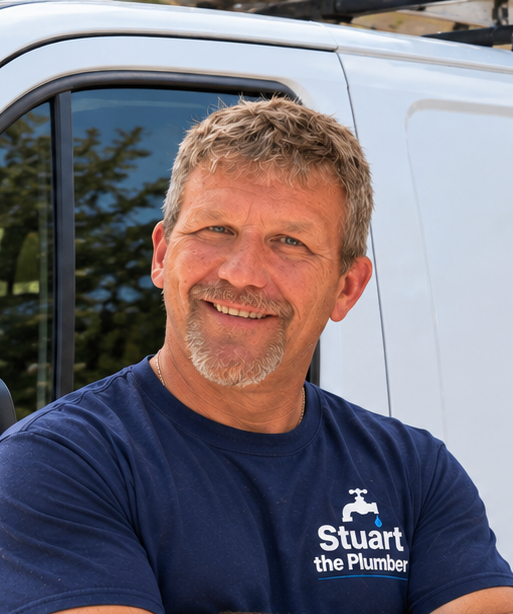
    Stuart Balestracci

    Article by

    Stuart Balestracci

    Stuart is a third-generation master plumber dedicated to providing dependable, honest plumbing service throughout Braselton and North Georgia. Building on a family tradition of hands-on trade expertise, he brings practical problem-solving and high standards to every job—from urgent leaks and clogged drains to water heaters, sewer lines, and whole-home repiping.

    Stuart believes customers deserve clear answers, quality workmanship, and repairs that address the real issue—not a quick fix that creates another problem later. Through Stuart the Plumber, LLC, he serves homeowners, property managers, and businesses with professional service, straightforward communication, and respect for their property. The company operates as a licensed Georgia plumbing business, license MP208668.

    Disclaimer

    The information in this article is provided for general educational and informational purposes only. While Sturat the Plumber, LLC makes reasonable efforts to keep information accurate and current, plumbing conditions, building systems, local codes, manufacturer instructions, and repair requirements vary by property and may change over time.

    This content is not a substitute for an on-site inspection, diagnosis, estimate, professional plumbing service, or advice from a properly licensed professional. Do not rely on this article to diagnose gas leaks, sewer backups, hidden water leaks, water-heater failures, burst pipes, or other potentially hazardous conditions.

    Plumbing work can involve risks including water damage, electrical hazards, gas hazards, sewage exposure, structural damage, and personal injury. Always follow applicable local codes, product instructions, and safety requirements. For active leaks, suspected gas leaks, sewage backups, flooding, loss of water service, or any situation that may create an immediate safety risk, contact a qualified professional or emergency services as appropriate.

    Sturat the Plumber, LLC does not guarantee that the information in this article is complete, suitable for every property, or applicable to your specific circumstances. Any decisions or actions taken based on this content are at your own risk. Sturat the Plumber, LLC disclaims liability for loss, damage, injury, expense, or other consequences arising from the use of or reliance on this information.

    For an evaluation of your specific plumbing concern, contact Sturat the Plumber, LLC for professional service. Sturat the Plumber, LLC is a licensed Georgia plumbing business, license MP208668.
  • Sewer Jetting Service in Georgia: Deep Cleaning Solutions for Your Main Lines

    Sewer Jetting Service in Georgia: Deep Cleaning Solutions for Your Main Lines

    That stubborn drain clog you keep snaking isn’t just a nuisance. It’s a warning sign that your main line is losing the battle against Georgia’s aggressive tree roots and heavy clay soil. Most homeowners in Braselton and North Georgia feel the frustration of recurring backups. You pay for a quick fix, only for the water to pool around your ankles again a few weeks later. It’s stressful to wonder if the next flush will be the one that causes a messy, expensive backup into your home.

    We understand that you want a permanent solution rather than a temporary patch. Investing in a professional sewer jetting service Georgia property owners trust does more than just poke a hole in the debris. It provides a structural reset that scours your pipes clean to a like-new condition. Stuart the Plumber, LLC is here to help you regain peace of mind. In this guide, we’ll explain how high-pressure water technology removes years of sludge, why it’s the best defense against invasive roots, and exactly what happens during the jetting process to ensure your plumbing stays clear for the long haul.

    Key Takeaways

    • Learn why high-pressure hydro-jetting provides a long-term structural reset for your pipes rather than just a temporary patch.
    • Identify the specific red flags that signal a main line blockage before it leads to an expensive emergency backup in your home.
    • Understand the professional diagnostic process that ensures a safe and effective sewer jetting service Georgia property owners can rely on for tough clogs.
    • See how specialized equipment and nozzles handle the unique challenges of North Georgia soil and invasive tree root growth.
    • Gain clarity on why hiring a licensed local expert like Stuart The Plumber is the best way to protect your property’s long-term pipe health.

    Understanding Sewer Jetting: Why Georgia Sewer Lines Need Deep Cleaning

    Sewer jetting, also known as hydro-jetting, is a specialized cleaning method that uses high-pressure water to blast through the toughest obstructions in your main line. It isn’t just a way to poke a hole through a clog. It’s a comprehensive cleaning process that acts as a structural reset for the interior of your pipes. Over years of use, sewer lines collect layers of debris that narrow the passage, making backups more likely. A professional sewer jetting service Georgia residents trust can restore your pipes to their original flow capacity and health.

    The Difference Between Snaking and High-Pressure Jetting

    Many homeowners are familiar with traditional drain snaking. A mechanical auger uses a metal cable to break apart a solid blockage. While this works for immediate relief, it often leaves a significant amount of residue behind. Snaking is a temporary fix for recurring North Georgia drain issues because the remaining grease and sludge quickly catch new debris, leading to another backup in a matter of weeks.

    Jetting is different. It uses a 360-degree water scouring action to remove grease, scale, and even fine roots from the pipe walls. While a snake clears a path, jetting cleans the entire surface. This thorough approach is why Stuart The Plumber often recommends jetting for lines that suffer from chronic slow drains or frequent clogs. It’s the difference between clearing a path and cleaning the house.

    Common Sewer Blockages in North Georgia Properties

    Our local environment plays a huge role in plumbing health. Georgia’s dense red clay and native trees create a perfect storm for sewer problems. Understanding what is hiding inside your pipes helps you choose the right solution. Common issues we see include:

    • Tree root intrusion: Georgia oaks and pines are notorious for seeking moisture. They can find tiny gaps in pipe joints and grow into massive root balls inside your line.
    • Grease and scale: In older homes in Braselton and Jefferson, cooking fats and minerals build up into a concrete-like substance.
    • Construction debris: In rapidly developing areas like Hoschton, silt and gravel often find their way into main lines during new builds.

    Stuart The Plumber provides the expert equipment needed to flush these materials away, ensuring your home’s plumbing remains reliable. By removing the root cause of the blockage, we help you avoid the high costs of emergency repairs and property damage.

    The Sewer Jetting Process: What to Expect During Your Service

    Our approach to a sewer jetting service Georgia homeowners trust is methodical and transparent. We don’t believe in guesswork. High-pressure water is a powerful tool, so we treat your property with the respect it deserves. By following a strict professional protocol, Stuart The Plumber ensures the job is done right the first time without risking the integrity of your plumbing system. It’s a clean, efficient way to restore your main line to its best possible condition.

    Step 1: Video Camera Sewer Line Inspection

    We always start with a visual. A high-definition camera is fed into the line to pinpoint the exact location and nature of the blockage. This diagnostic step is vital for finding hidden water leaks and assessing the physical condition of your pipes. We check for cracks, shifts, or collapses that might make high-pressure cleaning unsafe for older systems. We want to be certain your pipes are strong enough for the process before the water starts flowing.

    Step 2: Scouring the Pipes with High-Pressure Water

    Once we confirm the pipe is sound, we insert a specialized hose through a cleanout or access point. This hose features interchangeable nozzles designed to tackle specific problems, from soft grease sludge to woody tree roots. Backward-firing jets propel the hose deep into the line while a forward-facing jet cuts through the obstruction. This process flushes all debris out toward the municipal line, leaving the interior walls of your pipe scoured clean.

    Maintaining your main line prevents hazardous overflows that can damage your yard and home. Recognizing the signs your property needs professional sewer jetting helps prevent these costly situations. Our process uses only clean water. There are no harsh chemicals that could corrode your pipes or leak into the North Georgia soil. It’s an effective, eco-friendly solution that provides long-term results for your plumbing system. If you’re tired of dealing with slow drains, you can reach out to our team for a professional assessment.

    Signs Your Property Needs Professional Sewer Jetting

    Recognizing the difference between a simple sink clog and a main line disaster is essential for every Georgia property owner. A single backed-up drain is usually a local issue you can handle with a plunger. However, when the problem affects your entire system, it’s time for professional intervention. Ignoring these warning signs can lead to structural damage and significant health risks. A professional sewer jetting service Georgia residents trust is often the only way to clear deep-seated obstructions safely.

    Red Flags for Residential Homeowners

    If you notice multiple slow drains throughout your house occurring simultaneously, your main line is likely restricted. This isn’t a job for DIY chemical cleaners. These products contain harsh acids that can eat through older cast iron or warp PVC pipes without ever reaching the actual blockage. Instead, look for these specific indicators:

    • Gurgling noises coming from toilets or floor drains when water is running elsewhere.
    • Water backing up into the shower or tub when you flush the toilet.
    • Sewage odors or unusual wet spots in the yard near the sewer line path.

    Understanding the causes of sewer overflows is the first step toward protecting your family from the bacteria and property damage associated with main line failures. If you want to learn more about why these problems develop, our detailed guide on clogged drain North Georgia causes and professional solutions explains how local red clay and shifting soil contribute to these issues. Stuart The Plumber uses advanced diagnostics to ensure we address the root cause of the problem rather than just the symptoms.

    Commercial Needs: Keeping Main Lines and Grease Traps Clear

    Restaurants and commercial kitchens in Braselton face unique challenges. Grease, fats, and oils quickly solidify inside plumbing, leading to narrowed pipes and sudden backups. Scheduling a regular sewer jetting service Georgia business owners rely on prevents these issues before they cause a health code violation or forced downtime.

    Sewer jetting plays a vital role in keeping your Grease Trap installation functioning correctly. While the trap catches most solids, fine particles and liquid fats still make it into the main line. High-pressure water scouring is the only way to remove this sticky residue completely. We help local businesses maintain their utility lines so they can focus on serving customers instead of managing plumbing emergencies.

    Sewer Jetting Service in Georgia: Deep Cleaning Solutions for Your Main Lines

    Professional Sewer Jetting in Braselton and North Georgia

    Stuart The Plumber serves as your local alternative to the large, impersonal franchises based in Atlanta. We live and work in the same communities we serve, from Braselton to Hoschton and Jefferson. Choosing a sewer jetting service Georgia experts provide ensures your technician understands the specific plumbing challenges of our region. We don’t just treat you like a service ticket; we treat you like a neighbor. Our goal is to provide a permanent resolution that keeps your home running smoothly.

    Why Choose a Licensed Local Plumber for Your Main Lines

    High-pressure water jetting is a powerful process that requires precision. In the hands of an unlicensed contractor, the equipment can easily damage older pipes or cause structural failure. Stuart The Plumber brings specialized expertise and the right equipment to every job in Winder and Buford. Our team stays current on Georgia plumbing codes to ensure every service is performed safely and correctly. You gain peace of mind knowing your property is managed by a licensed professional who values honesty and transparency.

    Scheduling Your Preventive Maintenance

    Don’t wait for a heavy North Georgia rainstorm to discover a blockage. Excessive stormwater can quickly overwhelm a restricted line, leading to a catastrophic backup into your home. We recommend jetting your lines periodically, especially if you live on a lot with mature trees or have an older plumbing system. This proactive approach prevents the high costs and stress of emergency burst pipe repairs. It’s an investment in your property’s long-term health. Taking the next step is simple: Contact Stuart The Plumber for a line inspection to see if your system is a candidate for a deep clean.

    Restore Your Peace of Mind with a Clear Main Line

    Recurring clogs don’t have to be a way of life for your North Georgia property. Choosing a professional sewer jetting service Georgia residents can rely on means moving past temporary snaking and actually cleaning your pipes to their core. Stuart The Plumber uses advanced video camera inspection technology to ensure every job starts with a clear diagnosis and ends with a fully restored system. As a licensed and insured local plumber, we prioritize the long-term health of your home’s infrastructure over quick, surface-level fixes.

    You deserve a plumbing system that works without the constant fear of a backup. We’re proud to serve our neighbors in Braselton and the surrounding communities with honest, expert care. By addressing the root causes of blockages now, you protect your property from future emergencies. Take the first step toward a worry-free home today.

    Frequently Asked Questions

    Is sewer jetting safe for older pipes in Georgia homes?

    Yes, sewer jetting is safe for older pipes when a professional camera inspection is performed first. Stuart The Plumber uses high-definition cameras to check for structural integrity before starting the process. If your pipes are brittle or already collapsed, we’ll recommend a different repair path. For sound pipes, we adjust the water pressure to ensure a thorough clean that’s much safer than using corrosive DIY chemical cleaners.

    How much does a sewer jetting service cost in North Georgia?

    The cost of a sewer jetting service Georgia residents receive depends on several specific factors. These include the total length of the sewer line, the severity of the blockage, and how easily we can access your cleanout. Heavy root intrusion or massive grease build-up may require more time and specialized nozzles. We recommend scheduling a professional diagnostic visit so we can provide an accurate estimate based on your property’s unique needs.

    Can sewer jetting remove tree roots from my main line?

    Sewer jetting is one of the most effective ways to clear invasive tree roots from your plumbing. We use specialized cutting nozzles that use high-pressure water to saw through root masses and flush them out of the pipe completely. While this restores your flow immediately, it doesn’t seal the cracks where roots first entered. We often suggest follow-up inspections to monitor these areas and prevent the roots from growing back over time.

    How long does a typical sewer jetting service take?

    Most residential appointments in Braselton or Hoschton take between one and three hours to complete. This window allows our team to perform a thorough video camera inspection, set up the equipment, and scour the lines until they’re clear. If we’re dealing with extreme blockages or a very long commercial line, the process might take a bit longer. We work efficiently to minimize any disruption to your home’s water usage during the service.

    Will sewer jetting fix a broken or collapsed sewer pipe?

    No, sewer jetting is a deep-cleaning solution rather than a structural repair. It’s designed to remove debris, grease, and roots from pipes that are still physically sound. If our initial camera inspection shows that a pipe has collapsed or shifted significantly, we’ll discuss repair options like service line installation or re-piping. Jetting a broken pipe can lead to further damage, which is why our diagnostic step is so important for your property.

    How often should a commercial property have its lines jetted?

    Most commercial properties in North Georgia should consider preventive jetting every six to twelve months. Restaurants and commercial kitchens usually require more frequent service because of heavy grease and food waste. Regular maintenance prevents sudden backups that could lead to health code violations or forced closures. Stuart The Plumber can help you establish a custom schedule based on your business’s specific volume and the current condition of your underground utility lines. For a broader look at keeping your entire main line system healthy, our complete guide to sewer drain cleaning Georgia homeowners rely on for main line care covers everything from identifying blockages to choosing the right cleaning method.

    Stuart Balestracci

    Article by

    Stuart Balestracci

    Stuart is a third-generation master plumber dedicated to providing dependable, honest plumbing service throughout Braselton and North Georgia. Building on a family tradition of hands-on trade expertise, he brings practical problem-solving and high standards to every job—from urgent leaks and clogged drains to water heaters, sewer lines, and whole-home repiping.

    Stuart believes customers deserve clear answers, quality workmanship, and repairs that address the real issue—not a quick fix that creates another problem later. Through Stuart the Plumber, LLC, he serves homeowners, property managers, and businesses with professional service, straightforward communication, and respect for their property. The company operates as a licensed Georgia plumbing business, license MP208668.

    Disclaimer

    The information in this article is provided for general educational and informational purposes only. While Sturat the Plumber, LLC makes reasonable efforts to keep information accurate and current, plumbing conditions, building systems, local codes, manufacturer instructions, and repair requirements vary by property and may change over time.

    This content is not a substitute for an on-site inspection, diagnosis, estimate, professional plumbing service, or advice from a properly licensed professional. Do not rely on this article to diagnose gas leaks, sewer backups, hidden water leaks, water-heater failures, burst pipes, or other potentially hazardous conditions.

    Plumbing work can involve risks including water damage, electrical hazards, gas hazards, sewage exposure, structural damage, and personal injury. Always follow applicable local codes, product instructions, and safety requirements. For active leaks, suspected gas leaks, sewage backups, flooding, loss of water service, or any situation that may create an immediate safety risk, contact a qualified professional or emergency services as appropriate.

    Sturat the Plumber, LLC does not guarantee that the information in this article is complete, suitable for every property, or applicable to your specific circumstances. Any decisions or actions taken based on this content are at your own risk. Sturat the Plumber, LLC disclaims liability for loss, damage, injury, expense, or other consequences arising from the use of or reliance on this information.

    For an evaluation of your specific plumbing concern, contact Sturat the Plumber, LLC for professional service. Sturat the Plumber, LLC is a licensed Georgia plumbing business, license MP208668.