Tag: Braselton plumber

  • How Long Does It Take to Replace a Water Heater? (2026 Guide)

    How Long Does It Take to Replace a Water Heater? (2026 Guide)

    You step into the shower in your Braselton home, turn the handle, and wait for the warmth. Instead, you get a shock of ice-cold water that instantly ruins your morning. It’s a frustrating situation, and your first thought is likely about the logistics: how long does it take to replace a water heater? You might worry that a replacement means your family will be without water for days or that a crew will be camped out in your utility room all week.

    We understand that a lack of hot water feels like a household emergency. It’s stressful when your routine is disrupted, and you need a clear answer without any vague estimates. You deserve to know exactly when you can get back to your normal schedule without unnecessary delays or hidden complications.

    This guide provides a realistic look at the installation timeline from the first drain to the final safety check. You’ll learn the difference in labor between unit types and what specific factors in North Georgia homes can speed up or slow down the job. We’ll also share how Stuart the Plumber, LLC helps you prepare so the process is as fast and efficient as possible.

    Quick Facts: Water Heater Replacement Timelines

    • Most standard tank-to-tank replacements are completed in 2 to 4 hours, including the time needed to drain the old unit.
    • Understanding how long does it take to replace a water heater allows you to prepare for a brief period without water service while the new unit is secured.
    • Installation times vary based on the unit’s location, with attic or basement setups often taking more effort than garage installations.
    • Switching technology or fuel sources, such as moving from electric to gas, will add complexity and extra labor hours to the project.
    • Clearing a path to the unit and providing your model number beforehand helps Stuart The Plumber work more efficiently in your North Georgia home.

    The Standard Water Heater Replacement Timeline

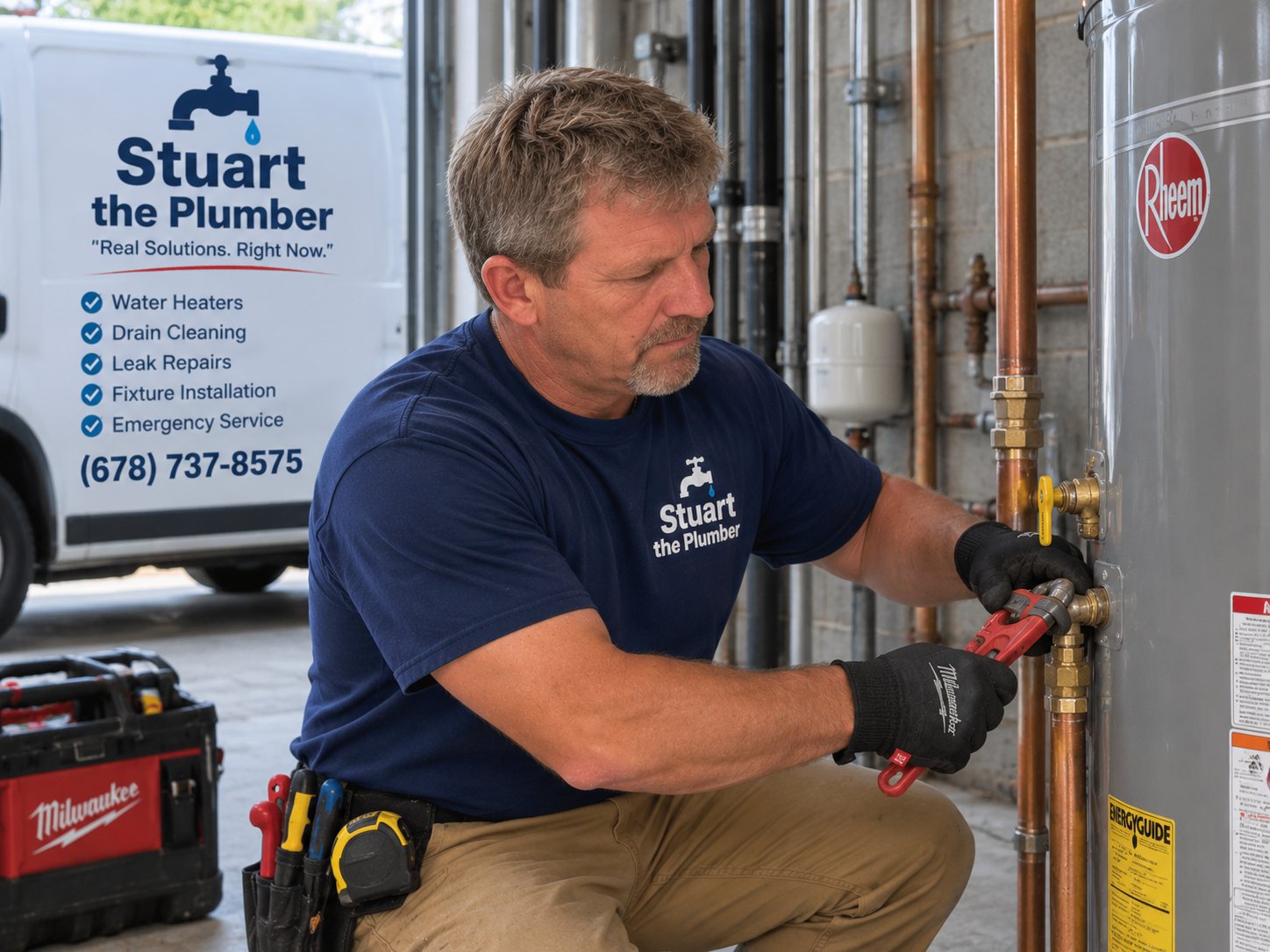
    Most homeowners in North Georgia are surprised to learn that a professional tank-to-tank swap is a methodical process rather than a simple plug-and-play task. When asking how long does it take to replace a water heater, the standard window for an expert crew is typically 2 to 4 hours. This timeframe covers every step from the moment we arrive at your property until the final hot water test is successfully completed.

    Phase 1: Why Draining Takes the Most Time

    Draining the old tank usually consumes 30 to 60 minutes of the total appointment. In communities like Braselton and Hoschton, mineral-heavy water often causes significant sediment buildup over the years. This heavy sludge can block the drain valve, slowing the water flow to a crawl. To keep the project moving, Stuart the Plumber, LLC uses specialized high-volume pumps to bypass these clogs and empty the unit much faster than a standard gravity drain ever could.

    Phase 2 & 3: The Technical Swap

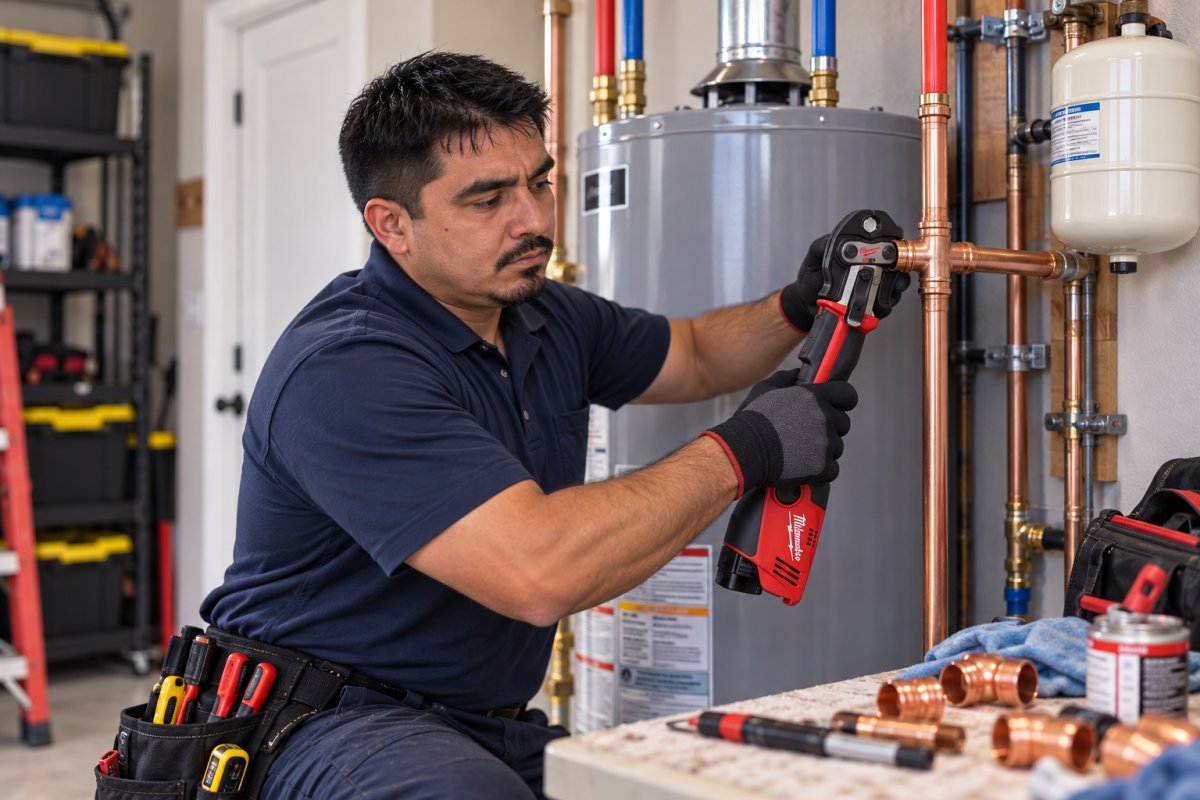
    Once the tank is empty, disconnecting and removing the old unit takes approximately 30 minutes. We focus on safely isolating gas lines or high-voltage electrical connections to prevent any hazards. The positioning and plumbing of the new unit is the most detailed phase, usually lasting 45 to 90 minutes. Modern water heaters are often wider than older models due to updated insulation requirements. This means we must frequently modify your existing copper or PEX piping to ensure a perfect, leak-free fit. During this stage, we also install mandatory safety components, like thermal expansion tanks, to protect your home’s plumbing integrity.

    The final 20 to 30 minutes are dedicated to Phase 4: safety testing and recovery. We check every joint for leaks and verify that gas pressure or electrical draws meet exact manufacturer specifications. This methodical approach to a water heater replacement ensures that your system is reliable and safe from the very first shower.

    Variables That Impact Your Installation Speed

    While we aim for efficiency, several real-world factors determine how long does it take to replace a water heater in your specific home. A unit sitting in an open garage is a different job than one tucked in a tight crawlspace. These variables can either streamline the process or add necessary labor hours to ensure the job is done right.

    Physical Access and Unit Location

    Unit location is the biggest variable in any installation. Garage installations are typically the fastest. They offer easy drainage and direct access for moving heavy equipment. In contrast, attic installations in Braselton homes often require two technicians for safety. This ensures we can safely navigate stairs and ceiling joists without damaging your property. Crawlspace replacements are often the most time-consuming. Limited mobility and low clearance mean every step of the process, from draining to soldering, takes longer than usual.

    Upgrading to Modern Safety Standards

    Bringing an old system up to 2026 Georgia standards adds time but prevents future disasters. We often need to add a drip pan and a dedicated drain line where one did not exist before. This protects your floors from slow leaks and water damage. We also check and update old gas shut-off valves to ensure they meet current safety compliance. Code-required upgrades are essential for long-term home insurance validity. If you are unsure if your current system meets these standards, you can reach out to our team for a professional assessment.

    Fuel source changes also impact the schedule. Switching from an electric unit to a gas model requires the installation of new venting and gas lines. This can easily double the installation time compared to a standard swap. Access hurdles like narrow doorways or cluttered utility closets also create delays. If a technician has to move obstacles or navigate tight corners with a heavy tank, it adds time to the removal and positioning phases. Every home in North Georgia is unique, and we prioritize a thorough, safe installation over a rushed one.

    Tank vs. Tankless: How Technology Affects the Clock

    While we’ve established that a standard swap is relatively quick, the type of technology you choose drastically changes the schedule. For a straightforward tank-to-tank replacement, the timeline remains 2 to 4 hours. However, if you already have a tankless unit and are upgrading to a newer model, the process typically requires 3 to 5 hours. This extra time is necessary for the precise calibration of the digital control board and ensuring the high-efficiency heat exchanger is perfectly seated and vented.

    The biggest shift in the schedule occurs when you ask how long does it take to replace a water heater during a full conversion. Moving from a traditional tank to a tankless system is a major mechanical overhaul that often takes 8 hours or more. This isn’t just about moving a unit; it’s about re-engineering the way your home processes gas and exhaust. If you’re considering making the switch, our complete guide to tankless water heater installation Georgia homeowners can rely on walks you through everything you need to know before committing to the project.

    The Complexity of Tankless Conversions

    Venting and gas line sizing are the main factors that extend the clock during a conversion. Traditional tanks usually vent through a chimney or a basic metal pipe. High-efficiency tankless units require specialized PVC or polypropylene venting that must be routed through an exterior wall. This involves precision cutting and sealing to ensure no exhaust gases enter your living space. Additionally, while a standard tank might pull 40,000 BTUs, a tankless unit can demand up to 199,000 BTUs. Stuart the Plumber, LLC often has to upsize your gas lines from the meter to the unit to handle this increased load safely.

    Maintenance and Recovery Speed

    Technology also impacts how soon you can use your water after we leave. Traditional tanks require a recovery period of 30 to 60 minutes to heat the first full volume of water. If you choose our tankless water heater services, you get hot water almost immediately. Once the digital controller is set and the unit fires up, the heating is instantaneous. This is a massive advantage for large families in North Georgia who can’t afford to wait for a tank to refill between morning showers.

    How Long Does It Take to Replace a Water Heater? (2026 Guide)

    How to Speed Up the Process Before Your Plumber Arrives

    While our technicians handle the technical labor, you can help us shave significant time off the appointment. Understanding how long does it take to replace a water heater often comes down to the first fifteen minutes of the visit. If we can walk straight to the unit and begin the drain process immediately, the entire project stays on schedule. Preparation is the key to a fast, seamless swap.

    Preparing the Workspace

    Start by clearing a direct path from your front door or garage to the utility area. A standard water heater weighs roughly 150 lbs when empty, and navigating around boxes or furniture with a heavy dolly slows the process. Remove any storage items from the utility closet to give us room to work. We define the safe work zone as a 5-foot radius around the unit to ensure we have space for tools and soldering equipment. Keep pets and children clear of this zone and the path to the door for their safety during the heavy lifting phases.

    You should also verify your unit type before we arrive. Snap a quick photo of the manufacturer label or have the model number ready. This helps us confirm we have the correct replacement unit and any specific fittings required for your home’s setup. Additionally, knowing the location of your main water shut-off and gas or electric valves prevents delays if we need to isolate the system quickly.

    One professional tip: don’t try to drain the tank yourself if you see heavy corrosion around the drain valve. If that old plastic or brass valve snaps off, you’ll have a flood on your hands before we even get there. Leave the draining to us; we have the pumps and hoses to handle it safely.

    When to Call Stuart The Plumber

    If you notice a puddle forming at the base of your tank or hear a loud popping sound, don’t wait for a total failure. If you see active leaking, call for Emergency Plumbing immediately to prevent water damage to your home’s structure. A licensed plumber in Braselton ensures your new system meets all local safety codes and operates at peak efficiency from day one.

    Schedule your water heater replacement with our North Georgia experts today.

    Get Your Hot Water Back Today

    Replacing a failing water heater doesn’t have to be a multi-day ordeal. For most North Georgia homes, a standard tank swap takes between 2 and 4 hours. If you are planning a more complex tankless conversion, expect the project to take a full workday. Understanding how long does it take to replace a water heater allows you to schedule the service with confidence and minimal disruption to your routine.

    Our team at Stuart The Plumber focuses on efficiency and transparent communication. As licensed and insured plumbers serving Braselton, Gainesville, and Winder, we bring specialized expertise to every tank and tankless water heater installation Georgia homeowners trust. We respect your property and your time, ensuring every connection is secure and every safety code is met.

    Don’t settle for another cold shower or worry about a leaking tank. Reach out to a local expert who can get your home’s hot water running reliably again.

    Frequently Asked Questions

    How long will my water be turned off during a water heater replacement?

    Your main water supply will typically be turned off for 1 to 2 hours during the middle of the installation. We don’t need to shut the water off for the entire 2-to-4-hour appointment. Our team at Stuart The Plumber only closes the main valve when we are ready to disconnect the old tank and secure the new connections. This minimizes the disruption for families in Braselton who need to use other fixtures during the day.

    Can a water heater be replaced in one day?

    Yes, a professional water heater replacement is almost always completed in a single day. Most standard installations in North Georgia homes take between 2 and 4 hours to finish. Even complex tankless conversions are typically one-day projects, though they may require 8 hours or more. We prioritize getting your hot water back online quickly so you don’t have to deal with cold showers for multiple days.

    Does it take longer to install a gas or electric water heater?

    Gas water heaters generally take slightly longer to install than electric models. When asking how long does it take to replace a water heater, you have to account for gas line connections and exhaust venting. Electric units only require wiring and plumbing, which is often faster. However, if your Braselton home needs a new gas flue or updated gas valves to meet 2026 safety standards, the timeline will naturally extend to ensure a safe setup.

    How long does it take for a new water heater to heat up?

    A new gas tank usually takes 30 to 45 minutes to heat the first full volume of water, while electric tanks can take 60 to 90 minutes. This is known as the recovery time. If you choose a tankless system, the hot water is available almost immediately after the unit is powered on. Our technicians serving the Auburn area always perform a final hot water test before leaving your property to ensure the system is working perfectly.

    Why does it take so long to drain an old water heater?

    Sediment buildup is the primary reason draining takes 30 to 60 minutes. Over time, minerals in the North Georgia water supply settle at the bottom of the tank and turn into a thick sludge. This debris often clogs the drain valve, restricting the flow of water. At Stuart The Plumber, we use specialized pumps to pull water out faster when we encounter heavy sediment, helping to keep the project on schedule.

    Is it faster to repair or replace a water heater?

    A simple repair, such as replacing a heating element or a thermocouple, is usually faster and can be finished in under an hour. However, if your unit is over 10 years old or has a leaking tank, a full replacement is the more efficient long-term choice. Replacing the unit prevents recurring service calls and ensures your home in Hoschton has a reliable hot water supply without the fear of sudden failure. If you’re not yet sure whether your system needs a full replacement or just a repair, our no hot water troubleshooting guide for Georgia homes can help you diagnose the problem before scheduling a service call.
    Stuart Balestracci

    Article by

    Stuart Balestracci

    Stuart is a third-generation master plumber dedicated to providing dependable, honest plumbing service throughout Braselton and North Georgia. Building on a family tradition of hands-on trade expertise, he brings practical problem-solving and high standards to every job—from urgent leaks and clogged drains to water heaters, sewer lines, and whole-home repiping.

    Stuart believes customers deserve clear answers, quality workmanship, and repairs that address the real issue—not a quick fix that creates another problem later. Through Stuart the Plumber, LLC, he serves homeowners, property managers, and businesses with professional service, straightforward communication, and respect for their property. The company operates as a licensed Georgia plumbing business, license MP208668.

    Disclaimer

    The information in this article is provided for general educational and informational purposes only. While Sturat the Plumber, LLC makes reasonable efforts to keep information accurate and current, plumbing conditions, building systems, local codes, manufacturer instructions, and repair requirements vary by property and may change over time.

    This content is not a substitute for an on-site inspection, diagnosis, estimate, professional plumbing service, or advice from a properly licensed professional. Do not rely on this article to diagnose gas leaks, sewer backups, hidden water leaks, water-heater failures, burst pipes, or other potentially hazardous conditions.

    Plumbing work can involve risks including water damage, electrical hazards, gas hazards, sewage exposure, structural damage, and personal injury. Always follow applicable local codes, product instructions, and safety requirements. For active leaks, suspected gas leaks, sewage backups, flooding, loss of water service, or any situation that may create an immediate safety risk, contact a qualified professional or emergency services as appropriate.

    Sturat the Plumber, LLC does not guarantee that the information in this article is complete, suitable for every property, or applicable to your specific circumstances. Any decisions or actions taken based on this content are at your own risk. Sturat the Plumber, LLC disclaims liability for loss, damage, injury, expense, or other consequences arising from the use of or reliance on this information.

    For an evaluation of your specific plumbing concern, contact Sturat the Plumber, LLC for professional service. Sturat the Plumber, LLC is a licensed Georgia plumbing business, license MP208668.

  • Who to Call for a Leaking Water Heater: A Homeowner’s Guide to Professional Help

    Who to Call for a Leaking Water Heater: A Homeowner’s Guide to Professional Help

    You step into your utility closet and feel the cold shock of water soaking through your socks. It is a moment of pure panic for any homeowner. A failing water heater isn’t just a nuisance; it is a high-stakes emergency that can lead to thousands in property damage if you don’t act within minutes. When the puddle starts growing, knowing exactly who to call for leaking water heater repairs is the only way to protect your North Georgia home and restore your family’s comfort.

    We understand the fear of basement flooding and the uncertainty surrounding repair versus replacement costs. You deserve a clear, no-nonsense roadmap to handle this crisis without falling for high-pressure sales tactics. In this guide, we’ll teach you the immediate safety steps to stop the flow and why hiring a licensed professional like Stuart the Plumber, LLC is essential for meeting Georgia’s strict plumbing codes. We’ll also preview how to diagnose the source of the leak and what to expect during a professional service visit in Braselton or Buford.

    Quick Facts: Water Heater Replacement Timelines

    • Master the critical first steps to safely shut off your water and power supply to stop active flooding and protect your home.
    • Identify exactly who to call for leaking water heater issues to ensure your repairs meet strict Georgia plumbing codes and safety standards.
    • Learn to distinguish between minor, fixable leaks at the top of the tank and catastrophic failures that require a full system replacement.
    • Understand the legal and safety risks of hiring unlicensed handymen for high-pressure gas and water systems.
    • Discover how to vet local North Georgia experts based on their certifications, local reputation, and specific industry knowledge.

    Immediate Action: What to Do When Your Water Heater Leaks

    A leaking tank is a race against time. Understanding how water heaters work is vital because these units are pressurized vessels that can cause significant damage in a very short period. If you see a steady stream of water rather than a slow drip, you need to know exactly who to call for leaking water heater emergencies before the moisture ruins your subflooring or drywall. Acting within the first five minutes can save you from a much larger restoration bill.

    Shutting Off the Energy Source Safely

    Your first priority is removing the heat source to prevent the unit from dry-firing or creating a safety hazard. For gas water heaters, locate the thermostat dial on the front of the tank and turn it to the “Off” or “Pilot” position. This stops the burner from activating while the tank is compromised. If you have an electric model, head straight to your home’s main service panel. Find the circuit breaker labeled “Water Heater” and flip it to the off position. This step is critical because heating elements will burn out almost instantly if they aren’t fully submerged in water. Safety is paramount; don’t touch an electric water heater or its circuit breaker if you are standing in pooled water.

    Controlling the Water Flow

    Once the power is off, you must stop the incoming water from feeding the leak. Look for the cold water intake pipe, usually marked with a blue ring, entering the top of the tank. You’ll likely find one of two valve types:

    • Ball Valve: A handle that you turn 90 degrees so it’s perpendicular to the pipe.
    • Gate Valve: A round handle that you turn clockwise until it is fully closed.

    In many older Braselton homes, these valves can become corroded or stuck over time. If the valve won’t budge, don’t force it. You might snap the handle or cause a secondary leak. Instead, shut off the main water supply to the entire house. After the water is off, attach a garden hose to the drain valve at the bottom of the tank and run it to a floor drain or the yard. This relieves internal pressure and prevents the remaining gallons from ending up on your floor. If you’re overwhelmed by the situation, reaching out to the experts at Stuart the Plumber, LLC is the safest way to protect your property and get a professional assessment.

    Licensed Plumber vs. Handyman: Why the Choice Matters

    After you’ve stopped the immediate flow of water, your next decision is the most important one for your home’s safety. Deciding who to call for leaking water heater service isn’t just about finding the lowest price; it’s about legal compliance and long-term protection. In Georgia, only a licensed plumbing contractor or a licensed journeyman can legally perform major repairs or installations on these units. Stuart the Plumber, LLC provides the authorized expertise required to ensure your system meets state regulations. Handymen often lack the specialized liability insurance needed to cover the significant damage that a plumbing failure can cause to your property.

    The Danger of Improper Gas and Electric Connections

    Working with gas lines requires specialized training to prevent leaks or carbon monoxide buildup. Licensed professionals follow strict water heater safety guidelines to ensure every connection is airtight and properly vented. A critical component of this safety check is the Temperature and Pressure (T&P) relief valve. If a T&P valve is incorrectly installed or plugged by an amateur, the water heater can transform into a pressurized rocket capable of exploding through multiple floors of a home. We use professional diagnostic tools to find the root cause of leaks rather than relying on guesswork that puts your family at risk.

    Warranty and Homeowners Insurance Implications

    Manufacturers usually require proof of professional installation to honor a parts warranty. If a handyman’s repair fails, you could be stuck paying for a full replacement out of pocket because the warranty was voided. Insurance companies in North Georgia often deny water damage claims if they find the work was done by an unlicensed individual or without a required permit. As of January 1, 2026, Georgia follows the 2024 International Plumbing Code, which includes specific mandates for high-efficiency installations. Stuart the Plumber, LLC ensures every job meets these current standards to protect your property value and insurance eligibility. If you’re unsure about the status of your unit, you can schedule a professional inspection with our team today. Using a licensed expert is the only way to ensure the job is done right the first time.

    Diagnosing the Leak: Repair or Full Replacement?

    Finding a puddle near your unit doesn’t always mean you’re facing a massive bill for a new appliance. The location of the water usually tells the story of whether you need a simple repair or a full system replacement. According to the National Board of Boiler and Pressure Vessel Inspectors, a qualified plumber is recommended if your water heater tank is leaking. If you’re wondering who to call for leaking water heater issues, a licensed expert can pinpoint exactly where the seal has failed and provide a clear path forward.

    Leaks from the Top of the Unit

    Water collecting on top of the tank is often a “fixable” situation. It usually stems from loose plumbing connections or a failing valve rather than a compromised tank. You should check the cold water inlet and hot water outlet pipes for signs of green or white corrosion, which indicates a slow leak at the fittings. If the T&P valve is “weeping” water, it might be doing its job by relieving excess pressure, or the valve itself may have reached the end of its life. Homes in North Georgia with closed plumbing systems might also see leaks from a thermal expansion tank. These smaller tanks can often be replaced without needing to swap out the entire water heater.

    Leaks from the Bottom of the Tank

    When water pools at the base, the diagnostic process becomes more urgent. You first need to distinguish between a leaking drain valve and a cracked internal lining. A plastic drain valve that won’t close tightly is an easy fix. However, if you see rust-colored water or moisture seeping from behind the outer jacket, the internal tank has likely corroded through. Most standard water heaters have a lifespan of 8 to 12 years. If yours is in that age range and leaking from the bottom, the tank is likely “totaled” because internal cracks cannot be welded or patched.

    If a replacement is necessary, it’s a great time to consider the long-term savings and efficiency of a tankless water heater. These units provide endless hot water and take up significantly less space than traditional models. If you’re ready to make the switch, our comprehensive guide to tankless water heater installation in Georgia covers everything you need to know about choosing and installing the right on-demand system for your home. Before scheduling your installation, you may also want to understand how long it takes to replace a water heater so you can plan your day accordingly. For a deep dive into your options, check out our Braselton Water Heater Installation Buying Guide to see which system fits your home’s needs.

    Who to Call for a Leaking Water Heater: A Homeowner’s Guide to Professional Help

    Choosing a Trusted Local Plumber in North Georgia

    National plumbing chains often treat you like a number in a database. When you’re deciding who to call for leaking water heater repairs, choosing a locally owned business like Stuart the Plumber, LLC ensures you’re working with neighbors who understand North Georgia’s unique water conditions. We see specific issues in our region, such as sediment buildup in older Braselton pipes or mineral concerns in Jefferson, that can accelerate tank corrosion. A local expert recognizes these patterns immediately and provides solutions that actually last in our environment.

    Local Expertise in Braselton and Surrounding Cities

    We take pride in serving our neighbors in Jefferson, Buford, and Lawrenceville. Every county across North Georgia has its own permitting requirements and specific building codes that must be followed. Hiring a plumber who is already active in your community means your installation will meet the 2026 Georgia Plumbing Code updates, including the latest mandates for high-efficiency fixtures. Because we’re local, we can arrive quickly to assess the situation, helping you avoid the extended wait times often associated with out-of-town contractors.

    What to Expect During Your Service Visit

    A professional service visit starts with a systematic diagnostic process. We don’t just look at the puddle; we find the root cause of the moisture. Our technicians inspect every connection, from the cold water intake to the heating element gaskets, to determine if the unit can be saved. You’ll receive clear, transparent communication throughout the visit. If a simple repair like a valve replacement is possible, we’ll provide that option. If the tank’s internal lining is compromised and a new unit is the only safe path forward, we’ll explain the structural reasons why. Many homeowners also ask how long a water heater replacement takes so they can plan around the service window — typically, a professional installation is completed within a few hours.

    When you need to know who to call for leaking water heater emergencies, trust the team that values honesty and craftsmanship over high-pressure sales. We focus on getting your hot water restored efficiently while protecting your property from further damage. Contact Stuart the Plumber, LLC today for reliable water heater repair and installation that puts your family’s comfort first.

    Protect Your Home with Expert Water Heater Care

    A leaking water heater is more than a nuisance; it’s a threat to your home’s structural integrity. By taking immediate action to shut off the power and water, you’ve already won half the battle. Now, it’s essential to partner with a licensed professional who understands the specific codes and conditions of Braselton and North Georgia. Stuart The Plumber brings years of experience as licensed and insured local experts specializing in leak detection and water heater service. When you know who to call for leaking water heater issues, you ensure your family has reliable hot water without the risk of improper installation or voided warranties. We are here to provide clear answers and dependable repairs that keep your household running smoothly. Choosing a trusted neighbor with a toolkit means you’re getting honest advice on whether to repair or replace your unit based on its actual condition.

    You don’t have to face a plumbing emergency alone. Let our team handle the technical details so you can get back to your normal routine with total confidence in your home’s plumbing system.

    Frequently Asked Questions

    Is a leaking water heater considered an emergency?

    Yes, a leaking water heater is often an emergency because it can lead to catastrophic flooding or structural damage. Even a small drip indicates that a pressurized vessel has failed. If the leak is near electrical components or gas lines, it poses immediate safety risks to your family. You should shut off the water and power right away to prevent secondary damage to your home’s flooring and drywall.

    Can a leaking water heater cause a fire or explosion?

    It’s possible for a malfunctioning water heater to cause a fire or explosion, though it’s rare with modern safety features. A gas leak from a damaged unit can lead to fire, while a blocked Temperature and Pressure (T&P) relief valve can cause the tank to explode under extreme pressure. Regular inspections by a licensed professional ensure these safety components are working correctly and your home remains safe from these high-stakes hazards.

    How much does it typically cost to fix a leaking water heater?

    Repair costs vary significantly based on the source of the leak and the age of the unit. A simple fix like replacing a faulty drain valve or tightening a loose connection is generally affordable. However, if the internal tank has corroded, a full replacement is usually the only option. We provide honest assessments to help you understand the most cost-effective path for your specific situation in North Georgia without any high-pressure sales tactics.

    Should I repair or replace my water heater if it is leaking?

    The decision depends on the leak’s location and the unit’s age. If the leak comes from a replaceable part like the T&P valve or a heating element gasket, a repair is often sufficient. If the tank itself is leaking from the bottom, it can’t be patched and requires a full replacement. Most standard tanks last about 8 to 12 years; units approaching this age are usually better candidates for replacement to ensure reliability.

    How long can I wait before calling a plumber for a water heater leak?

    You shouldn’t wait at all when you discover a leak. Small drips can turn into major floods without warning, especially when the tank is under constant pressure. Delaying the call increases the risk of mold growth and expensive structural repairs. Knowing who to call for leaking water heater issues immediately helps you secure your property. Fast action prevents a minor plumbing problem from becoming a total household disaster that disrupts your family’s comfort.

    Who is the best plumber to call for water heater leaks in Braselton, GA?

    Stuart The Plumber is the trusted local choice for homeowners in Braselton and surrounding communities like Jefferson and Buford. As a licensed and insured team, we specialize in both traditional tank and tankless water heater installation Georgia homeowners can rely on. We prioritize clear communication and honest diagnostics to ensure your home stays dry and your hot water is restored. Our deep roots in the North Georgia community mean we treat every customer like a neighbor with a toolkit.

    Stuart Balestracci

    Article by

    Stuart Balestracci

    Stuart is a third-generation master plumber dedicated to providing dependable, honest plumbing service throughout Braselton and North Georgia. Building on a family tradition of hands-on trade expertise, he brings practical problem-solving and high standards to every job—from urgent leaks and clogged drains to water heaters, sewer lines, and whole-home repiping.

    Stuart believes customers deserve clear answers, quality workmanship, and repairs that address the real issue—not a quick fix that creates another problem later. Through Stuart the Plumber, LLC, he serves homeowners, property managers, and businesses with professional service, straightforward communication, and respect for their property. The company operates as a licensed Georgia plumbing business, license MP208668.

    Disclaimer

    The information in this article is provided for general educational and informational purposes only. While Sturat the Plumber, LLC makes reasonable efforts to keep information accurate and current, plumbing conditions, building systems, local codes, manufacturer instructions, and repair requirements vary by property and may change over time.

    This content is not a substitute for an on-site inspection, diagnosis, estimate, professional plumbing service, or advice from a properly licensed professional. Do not rely on this article to diagnose gas leaks, sewer backups, hidden water leaks, water-heater failures, burst pipes, or other potentially hazardous conditions.

    Plumbing work can involve risks including water damage, electrical hazards, gas hazards, sewage exposure, structural damage, and personal injury. Always follow applicable local codes, product instructions, and safety requirements. For active leaks, suspected gas leaks, sewage backups, flooding, loss of water service, or any situation that may create an immediate safety risk, contact a qualified professional or emergency services as appropriate.

    Sturat the Plumber, LLC does not guarantee that the information in this article is complete, suitable for every property, or applicable to your specific circumstances. Any decisions or actions taken based on this content are at your own risk. Sturat the Plumber, LLC disclaims liability for loss, damage, injury, expense, or other consequences arising from the use of or reliance on this information.

    For an evaluation of your specific plumbing concern, contact Sturat the Plumber, LLC for professional service. Sturat the Plumber, LLC is a licensed Georgia plumbing business, license MP208668.

  • Clogged Drains in North Georgia: Causes & Professional Solutions

    Clogged Drains in North Georgia: Causes & Professional Solutions

    A slow-moving sink in your kitchen isn’t just a minor inconvenience; in our region, it’s often the first warning sign of a much deeper structural struggle within your plumbing. Most homeowners think a clogged drain in North Georgia is just about hair or grease, but our local red clay and shifting soil often tell a different story. You’ve likely felt that spike of anxiety when you see water pooling around your ankles in the shower or worry that a single flush might lead to a raw sewage backup. It’s frustrating when those hardware store plungers and liquid cleaners fail to provide a permanent fix.

    We understand that you want more than a temporary patch; you want the peace of mind that comes with a protected home. This guide explains why North Georgia drains are uniquely susceptible to root intrusion and how you can spot a main line crisis before it floods your basement. You’ll learn about the safest ways to restore flow, including why sewer jetting service Georgia property owners trust is the ultimate deep-clean solution for recurring issues. We’ll also cover how the 2026 Georgia plumbing code updates impact your repairs, ensuring your home stays safe, compliant, and dry.

    Quick Facts: Water Heater Replacement Timelines

    • Understand how North Georgia’s unique red clay and soil shifts cause underground pipes to misalign or fail over time.
    • Learn to use the “Gurgle Test” to identify if your issue is a simple sink blockage or a full main line crisis.
    • Discover why chemical drain cleaners are a dangerous trap that can warp your PVC pipes and worsen the damage.
    • See how high-definition camera inspections and sewer jetting provide a permanent fix for a clogged drain North Georgia residents can rely on.

    The Reality of Clogged Drains in North Georgia: Why It Happens Here

    A clogged drain is technically defined as any restriction within your plumbing system that prevents wastewater from flowing freely away from your home. While this sounds simple, the cause of a clogged drain in North Georgia is often tied directly to our unique local environment. Our region is famous for its dense red clay. This soil doesn’t just make a mess of your yard; it creates a challenging environment for underground pipes. Red clay is heavy and holds moisture longer than sandy soils, meaning it expands and contracts significantly with the weather.

    When heavy seasonal rains hit Braselton and Hoschton, the ground shifts. This movement can force pipes out of alignment or cause them to sag. These “pipe bellies” create standing pools of water inside the line where debris begins to collect. Over time, what started as a minor soil shift becomes a full-scale blockage.

    Environmental Factors Unique to North Georgia

    The expansion and contraction of our local soil leads to more than just pipe offsets. Foundation shifts in North Georgia homes can actually pull on your drain lines, creating tiny cracks or steep angles that slow down flow. These vulnerabilities are exactly what local tree species look for. Oak and Pine trees have aggressive root systems that seek out moisture during Georgia dry spells. They can sense the condensation on the outside of a sewer pipe and enter through the smallest gaps. Once inside, the roots grow rapidly, creating a natural net that catches everything you send down the drain. This makes a clogged drain in North Georgia a much more complex issue than a simple hair clog in a bathroom sink.

    Common Household Culprits

    While the environment does the heavy lifting outside, household habits contribute to the “Fatberg” effect inside your pipes. This happens when grease and oils from cooking solidify as they cool, trapping hair and soap scum along the way. Many homeowners try to resolve this by pouring a chemical drain cleaner down the sink, but these solutions rarely reach the heart of a deep-seated grease clog. Another major offender in Hoschton sewer systems is the “flushable” wipe. Despite the marketing, these wipes don’t break down like toilet paper. Instead, they snag on root intrusions or pipe offsets, leading to sudden and messy backups that require professional intervention.

    Symptoms You Should Not Ignore: Local Clog vs. Main Line Crisis

    Identifying a clogged drain in North Georgia requires a bit of detective work. A single sink that won’t drain usually points to a local issue like hair or soap scum. However, when multiple fixtures start acting up simultaneously, you’re likely facing a main sewer line crisis. This is a total system failure that prevents all wastewater from leaving your property. Understanding the difference early can save you from a massive cleanup bill.

    The “Gurgle Test” is your first line of defense. If you hear a deep bubbling sound from your toilet when you run the bathroom sink or the washing machine, it’s a sign that air is being forced back through the system. This happens because the wastewater can’t get past a blockage further down the line. Ignoring these sounds is risky. If the water trap in your pipes dries out or gets pushed aside by air pressure, sewer gas can enter your living space, creating a foul odor and a potential health hazard.

    The Danger Signs of a Sewer Main Backup

    A main line failure is a high-stakes situation that requires immediate attention. You should look for these specific indicators around your home and yard:

    • Water backing up into the shower or tub when you run the kitchen sink or a cycle of laundry.
    • Lush, unusually green patches of grass or soggy spots in your yard, specifically along the path where your sewer line buried.
    • Raw sewage appearing in your basement or the lowest floor’s floor drains.

    Research shows that fats, oils, and grease are the most common cause of reported blockages in municipal systems, and the same applies to your home’s main line. If you notice these signs, it’s best to reach out for a professional inspection before the situation escalates into a flood.

    When a Slow Drain Becomes a Health Emergency

    A slow drain isn’t just a nuisance; it’s a breeding ground for bacteria. Standing greywater contains organic matter that begins to rot quickly, releasing pathogens into the air and onto your bathroom surfaces. Beyond the health risks, a persistent clogged drain in North Georgia can cause permanent pipe corrosion. Trapped water and debris create an acidic environment that eats away at metal pipes over time, leading to pinhole leaks or total pipe collapses. The timeline from a slow drain to a flooded bathroom can be surprisingly fast, often triggered by something as simple as a heavy rain or a large load of laundry. For a deeper look at how to identify and address these underground blockages, our sewer drain cleaning Georgia homeowner’s guide to main line care walks you through every stage of the process.

    The DIY Trap: Why Chemical Cleaners Often Do More Harm Than Good

    Reaching for a bottle of liquid cleaner is a common reaction to a clogged drain in North Georgia, but it often backfires. These products create an exothermic reaction to eat through hair and grease. This intense heat can easily warp or melt PVC pipes, leading to leaks behind your walls. In our area, many homes still have aging cast iron or polybutylene pipes. Caustic chemicals are particularly brutal on these materials, causing them to flake, thin, and eventually collapse. You might think you’re saving money, but you’re often just accelerating the need for a total pipe replacement.

    Beyond pipe damage, these cleaners rarely solve the root issue. If you have a main line backup, the chemical simply sits in the standing water. It dilutes and loses its potency before it ever reaches the actual blockage. Mixing different chemical brands is another major risk. Combining an acid-based cleaner with a bleach-based one can create toxic gas, putting your family’s health in immediate danger. It’s a gamble that doesn’t pay off when dealing with the heavy-duty clogs common in our local red clay environment.

    The Problem with Retail Snaking and Plunging

    Homeowners often use too much force with a plunger. This pressure can blow out the wax seal under your toilet, causing water to seep into your subfloor every time you flush. Retail snakes also present problems. They’re frequently made of stiff, low-grade metal that can scratch porcelain or puncture the walls of older pipes. These tools often just compact the debris or push it deeper into the system, making the eventual professional repair more difficult and expensive.

    Safer Alternatives for Homeowners

    If you want to try a home remedy, stick to hot water and grease-cutting dish soap for kitchen sinks. This helps break down fats without the risk of chemical burns or pipe warping. While baking soda and vinegar are popular on social media, they’re mostly ineffective for anything beyond a surface-level clog. When these simple methods fail, it’s safer to contact Stuart the Plumber, LLC rather than risking your home’s integrity with hardware store chemicals.

    Clogged Drains in North Georgia: Causes & Professional Solutions

    Professional Solutions: From Camera Inspections to Sewer Jetting

    When you’re dealing with a persistent clogged drain in North Georgia, guessing is a luxury you can’t afford. Professional solutions start with high-definition camera inspections. We feed a waterproof camera into your line to see exactly what’s causing the trouble, whether it’s a root intrusion, a belly in the pipe, or a collapsed section. This tech allows us to pinpoint the problem without digging up your entire yard. It saves you time, money, and a lot of unnecessary stress by providing a clear visual diagnosis before any work begins. You see what we see, ensuring total transparency during the repair process.

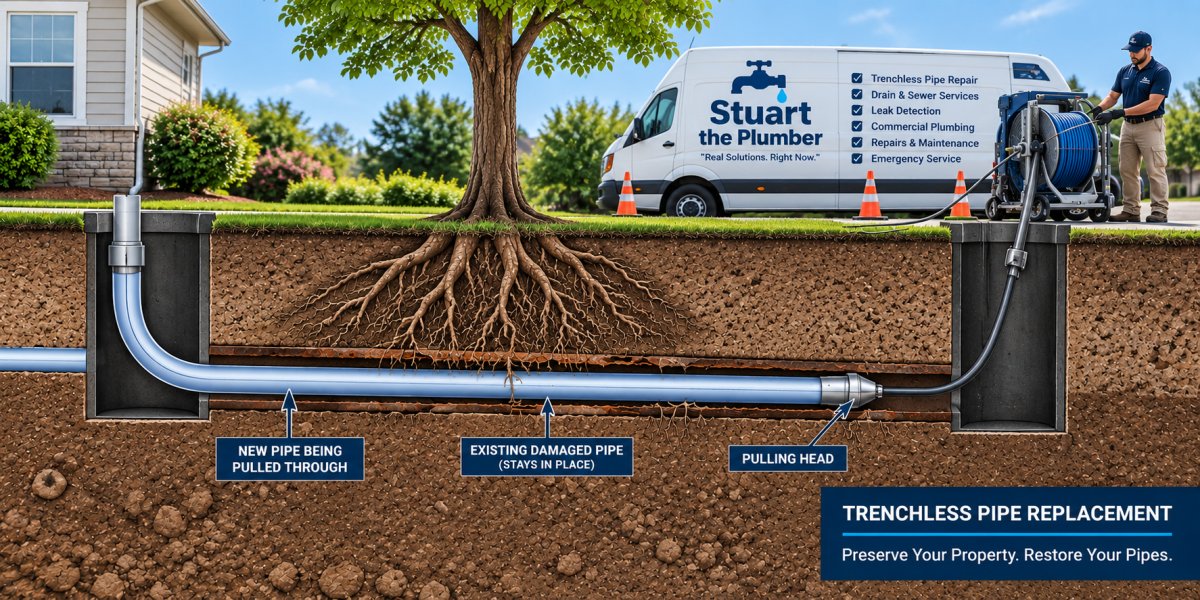
    Once we find the source, we choose the right tool for the job. Mechanical augering, or snaking, remains effective for breaking up solid blockages or thick tree roots. However, if your pipes are coated in grease or hard water scale, we recommend sewer jetting service Georgia homeowners rely on for a structural reset that scours pipes clean to a like-new condition. For more severe issues like broken lines caused by the soil shifts mentioned earlier, we offer trenchless pipe replacement. This modern method allows us to install a new line within the old one, protecting your landscaping while restoring your home’s utility with minimal disruption to your property.

    The Benefits of Professional Sewer Jetting

    Traditional snaking often just pokes a hole through a clog, leaving the rest of the debris behind to catch more waste. Sewer jetting is a superior alternative for several reasons:

    • Complete Buildup Removal: It uses high-pressure water to scour the interior walls of your pipes, removing years of grease and scale.
    • Restored Efficiency: By cleaning the pipe walls, we restore them to their original diameter for maximum flow.
    • Proactive Prevention: This process acts as a deep-clean that prevents future clogged drain North Georgia emergencies.

    Why Neighbors Trust Stuart the Plumber, LLC

    We aren’t just another plumbing company; we’re your neighbors. We provide licensed local expertise to Braselton and the surrounding communities. Our team has specialized experience with complex underground utilities and polybutylene pipe replacement. We believe in no-nonsense service, which means we give you honest answers and straightforward solutions every time. You get the peace of mind that comes from knowing the job is done right the first time by a steady, local expert who understands North Georgia plumbing systems.

    Restore Your Home’s Flow and Safety

    Dealing with a clogged drain in North Georgia requires a strategy that goes beyond the surface. We’ve explored how our local red clay and aggressive root systems turn minor blockages into major main line crises. By moving past the DIY trap of caustic chemicals and retail snakes, you protect the long-term health of your home’s plumbing. Professional diagnostics and deep-cleaning methods like sewer jetting ensure that your pipes aren’t just open, but restored to their original capacity for the long haul.

    Stuart the Plumber, LLC is proud to be the trusted choice for homeowners in Braselton, Jefferson, Winder, and the surrounding areas. As a licensed and insured local expert, we specialize in high-impact solutions like trenchless pipe repair and sewer drain cleaning Georgia homeowners rely on to protect their main lines year-round. We focus on providing the honest, no-nonsense service you need to keep your home safe and dry without unnecessary digging or stress.

    We’re ready to help you resolve your plumbing issues with the speed and integrity you deserve. Trust our team to handle the heavy lifting so you can get back to your routine with total peace of mind.

    Frequently Asked Questions

    Is a clogged drain considered a plumbing emergency?

    A clogged drain is an emergency if you experience sewage backup, multiple blocked fixtures, or water flooding your home. These situations indicate a main line failure that risks property damage and health hazards. For a single slow sink, it’s an urgent repair but usually not an immediate emergency. If you’re in Braselton or Jefferson and see water pooling in your basement, call for emergency plumbing help right away.

    Will a clogged drain eventually clear itself?

    No, a clogged drain won’t clear itself over time. In fact, most blockages grow larger as more hair, grease, and debris get caught in the existing restriction. While the water might eventually seep through a partial clog, the underlying mass remains. Ignoring the issue often leads to a complete pipe collapse or a total system backup. It’s much cheaper to clear a slow drain than to repair a burst pipe.

    Can tree roots really grow into my sewer pipes?

    Yes, tree roots are a primary cause of a clogged drain in North Georgia. Local species like Oak and Pine have aggressive systems that seek out the moisture and nutrients inside your sewer lines. They enter through tiny cracks or loose joints in the pipe. Once inside, they grow rapidly into a thick mat that traps waste. This is why we use high-definition cameras to inspect lines before starting any underground utility work.

    Why does my sink gurgle when I flush the toilet?

    Your sink gurgles because air is being trapped and forced through the water in your P-traps. When you flush, a large volume of water moves through the system. If there’s a blockage in the main line or a vent pipe, that air has nowhere to go but up through your other drains. This “Gurgle Test” is a classic warning sign that your main sewer line is struggling and needs professional attention before it overflows.

    Are chemical drain cleaners safe for my pipes?

    We don’t recommend using chemical drain cleaners for any clogged drain North Georgia homeowners encounter. These products use harsh chemicals that create intense heat to dissolve clogs. This heat can warp PVC pipes and cause severe corrosion in older cast iron or polybutylene systems. They also pose a safety risk to our plumbers if we have to work on a pipe that’s filled with caustic chemicals. Mechanical cleaning is always safer.

    How often should I have my sewer lines professionally cleaned?

    For most North Georgia homes, we recommend a professional cleaning every 18 to 24 months. If your property has large trees near the sewer line or if you live in an older home in Winder or Commerce, you might need more frequent maintenance. Proactive sewer jetting removes grease and scale buildup before it becomes a crisis. Regular inspections help you avoid the stress and expense of an emergency main line backup.

    Stuart Balestracci

    Article by

    Stuart Balestracci

    Stuart is a third-generation master plumber dedicated to providing dependable, honest plumbing service throughout Braselton and North Georgia. Building on a family tradition of hands-on trade expertise, he brings practical problem-solving and high standards to every job—from urgent leaks and clogged drains to water heaters, sewer lines, and whole-home repiping.

    Stuart believes customers deserve clear answers, quality workmanship, and repairs that address the real issue—not a quick fix that creates another problem later. Through Stuart the Plumber, LLC, he serves homeowners, property managers, and businesses with professional service, straightforward communication, and respect for their property. The company operates as a licensed Georgia plumbing business, license MP208668.

    Disclaimer

    The information in this article is provided for general educational and informational purposes only. While Sturat the Plumber, LLC makes reasonable efforts to keep information accurate and current, plumbing conditions, building systems, local codes, manufacturer instructions, and repair requirements vary by property and may change over time.

    This content is not a substitute for an on-site inspection, diagnosis, estimate, professional plumbing service, or advice from a properly licensed professional. Do not rely on this article to diagnose gas leaks, sewer backups, hidden water leaks, water-heater failures, burst pipes, or other potentially hazardous conditions.

    Plumbing work can involve risks including water damage, electrical hazards, gas hazards, sewage exposure, structural damage, and personal injury. Always follow applicable local codes, product instructions, and safety requirements. For active leaks, suspected gas leaks, sewage backups, flooding, loss of water service, or any situation that may create an immediate safety risk, contact a qualified professional or emergency services as appropriate.

    Sturat the Plumber, LLC does not guarantee that the information in this article is complete, suitable for every property, or applicable to your specific circumstances. Any decisions or actions taken based on this content are at your own risk. Sturat the Plumber, LLC disclaims liability for loss, damage, injury, expense, or other consequences arising from the use of or reliance on this information.

    For an evaluation of your specific plumbing concern, contact Sturat the Plumber, LLC for professional service. Sturat the Plumber, LLC is a licensed Georgia plumbing business, license MP208668.

  • Trenchless Sewer Repair North Georgia: Modern No-Dig Solutions

    Trenchless Sewer Repair North Georgia: Modern No-Dig Solutions

    Imagine waking up to a backed-up sewer line, only to be told the solution involves a backhoe tearing through your prize-winning hydrangeas and your paved driveway. It’s a stressful situation that every homeowner in Braselton and across North Georgia dreads. You want the problem fixed immediately, but you don’t want to spend thousands of extra dollars just to put your yard back together after the plumbers leave.

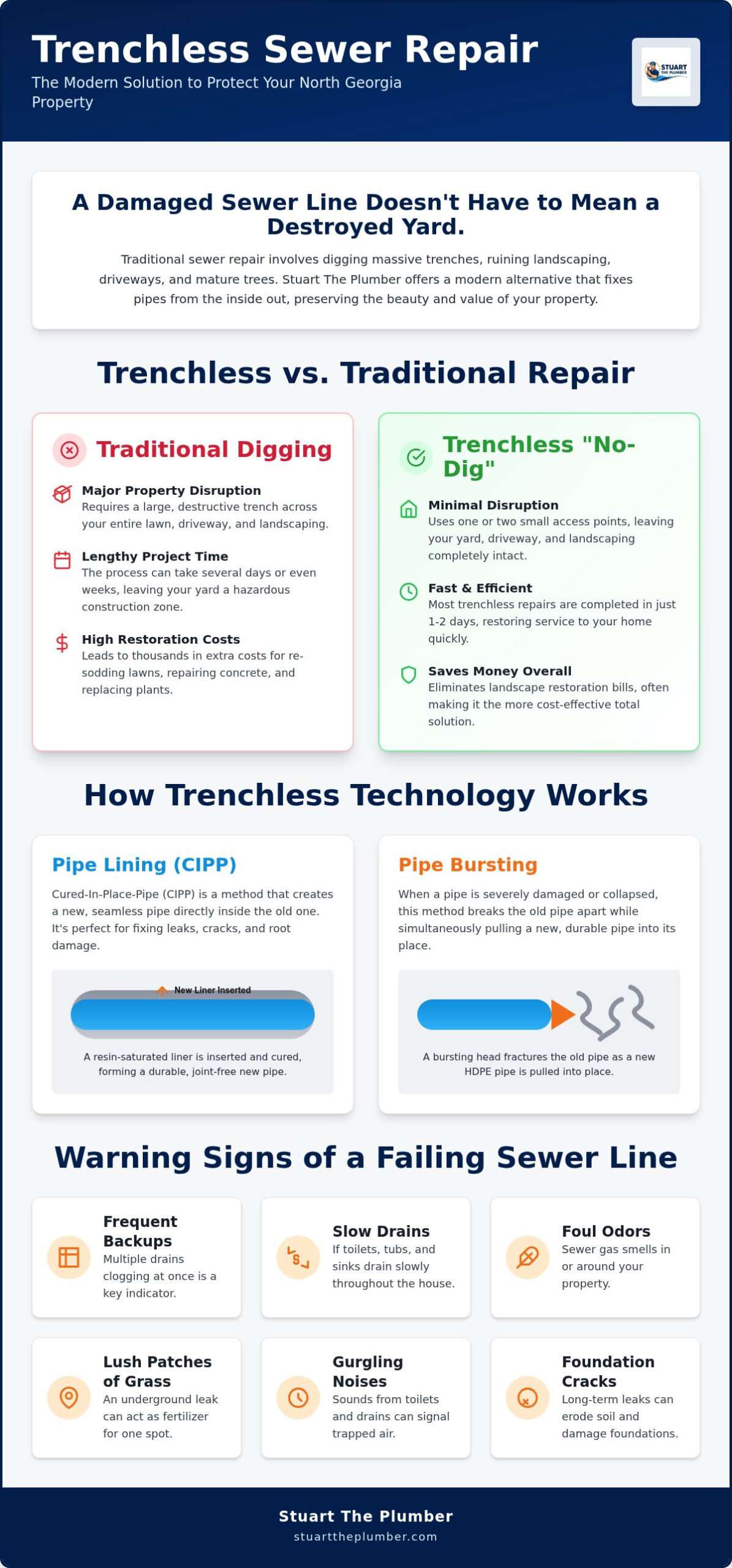
    We understand that your landscaping and hardscaping are significant investments. As a licensed local plumbing company, Stuart the Plumber, LLC offers advanced trenchless sewer repair North Georgia families can rely on to fix underground lines without the mess. You shouldn’t have to choose between a working bathroom and a beautiful lawn. Modern no-dig technology allows us to repair or replace your pipes from the inside out, keeping your property intact and your daily routine on track.

    This guide explores how modern trenchless methods protect your property value while providing a permanent fix for damaged lines. We’ll break down the specific technologies available to North Georgia residents, compare the total project costs against traditional digging, and identify the key warning signs that suggest it’s time for a professional camera inspection.

    Quick Facts: Water Heater Replacement Timelines

    • Learn how modern no-dig technology preserves your North Georgia landscaping and driveways by eliminating the need for massive trenches.
    • Discover the difference between CIPP lining and pipe bursting methods to find the most efficient fix for your underground utility lines.
    • Understand why trenchless sewer repair North Georgia residents prefer often results in lower total costs by avoiding expensive property restoration.
    • Identify the common warning signs of a failing sewer pipe, including frequent drain backups and unusually lush patches of grass.
    • See how Stuart the Plumber, LLC uses advanced camera inspections to provide a permanent, code-compliant solution for your home or business.

    Why Trenchless Sewer Repair is the Right Choice for North Georgia

    Deciding how to fix a broken sewer line often comes down to the impact on your yard. Traditional methods require deep trenches that stretch from the foundation to the street, often staying open for days. Choosing trenchless sewer repair North Georgia neighbors trust means opting for a cleaner, more efficient process. At Stuart the Plumber, LLC, we prioritize methods that fix the problem while keeping your property’s exterior exactly as it was. We understand that your home is your biggest investment, and our goal is to protect it.

    The benefits of no-dig solutions extend beyond just saving your grass. These modern techniques offer several advantages for local properties:

    • Minimal disruption to your household routine and water usage.
    • Preservation of mature trees and established plant life.
    • Reduced labor hours compared to heavy machine operation.
    • Long-term resistance to invasive root growth.

    The Problem with Traditional Excavation

    Traditional digging is particularly harsh on our local red clay soil. Heavy equipment like backhoes can lead to severe soil compaction, which often prevents grass and ornamental plants from thriving for years after the repair is finished. Beyond the dirt, there’s the high cost of tearing up private walkways or sections of a concrete driveway. Digging a massive trench is increasingly a last resort because of this collateral damage. Stuart the Plumber, LLC provides specialized trenchless sewer repair North Georgia homeowners use to bypass these unnecessary restoration headaches.

    Protecting Your Braselton Property Value

    Maintaining curb appeal is essential for long-term home value. Property managers and HOAs in Braselton and Hoschton often prefer no-dig methods because they don’t leave visible scars on the landscape. Trenchless technology allows us to restore your plumbing service while keeping your landscaping intact. It removes the emotional stress of a plumbing emergency by keeping the work site small and contained. It’s a straightforward way to protect your investment and maintain the aesthetic of your neighborhood.

    How Trenchless Technology Works: CIPP and Pipe Bursting

    Modern sewer work relies on precision rather than brute force. Instead of excavating the entire yard, Stuart the Plumber, LLC uses the existing line as a conduit for the repair. This process typically requires only two small access points to reach the underground pipe. This methodology is the core of the trenchless sewer repair North Georgia residents use to modernize their plumbing infrastructure. These repairs utilize high-strength, industrial-grade materials built for long-term service. CIPP is a process where a resin-saturated liner is inserted into an existing pipe and cured to create a seamless, durable interior.

    Pipe Lining (Cured-In-Place Pipe)

    Pipe lining is an ideal solution for fixing leaks, minor fractures, or root-damaged joints. We essentially create a new, structural pipe inside your old one without the need for removal. Our team adheres to strict industry standards for trenchless technology to ensure the resin liner bonds correctly and hardens into a solid, stand-alone pipe. Once cured, this liner provides a smooth interior surface. This slick finish increases flow capacity and prevents the debris buildup often found in old, corroded iron or clay pipes.

    Pipe Bursting for Total Replacement

    If a pipe is too severely damaged or collapsed for a liner, we utilize pipe bursting. This method uses a heavy-duty bursting head to break through the old, brittle pipe. As the old line is pushed aside, a new high-density polyethylene (HDPE) line is pulled directly into its place. HDPE is favored for its flexibility and resistance to the shifting soil conditions common in our region. If you’re tired of dealing with recurring backups, you can contact us to explore which modern method is right for your home’s specific needs.

    Trenchless vs. Traditional: A Cost and Efficiency Comparison

    Choosing between traditional excavation and trenchless sewer repair North Georgia residents often find themselves weighing the upfront plumbing quote against the total restoration bill. Traditional digging requires heavy machinery rental, multiple operators, and days of manual labor to move tons of earth. Trenchless methods replace that heavy footprint with precision tools and smaller crews. This shift in labor hours directly impacts your bottom line. You aren’t just paying for the pipe; you’re paying for the time it takes to access it.

    Modern materials used in no-dig repairs also outperform the legacy clay or cast iron pipes found in many local properties. These old materials are prone to cracking and root intrusion as they age. In contrast, high-density polyethylene and epoxy liners are engineered for a 50-year lifespan. They create a seamless barrier that roots cannot penetrate. This longevity makes the environmental impact much lower. We avoid massive soil disruption and preserve the root systems of your mature trees, which helps maintain the natural drainage of your land.

    The True Cost of a Sewer Repair

    The plumbing bill is only half the story. Traditional digging often leaves you with a destroyed yard, a broken sidewalk, or a cut driveway. For Braselton homeowners, the cost of hiring separate landscapers and concrete contractors to fix the damage can double the total project price. Trenchless repairs are “invisible” because they leave your property’s surface untouched. By avoiding these restoration fees, the total investment for a no-dig solution is frequently more affordable than the “cheaper” traditional alternative.

    Speed of Service in North Georgia

    Timeline is another critical factor. Traditional excavation can leave your yard open and your water service limited for a week or longer. We know that North Georgia businesses and busy families can’t afford that kind of downtime. Most trenchless projects are completed in 1-2 days. This speed minimizes the window of time your water must be turned off. It allows you to return to your normal routine without the stress of a long-term construction project on your doorstep.

    Trenchless Sewer Repair North Georgia: Modern No-Dig Solutions

    Signs You Need Sewer Repair in North Georgia

    Identifying sewer issues early is the key to choosing the trenchless sewer repair North Georgia residents trust. If you notice water backing up in multiple fixtures simultaneously, such as the shower filling when you flush the toilet, you likely have a main line issue. You might also see unusually lush, green patches of grass in your yard. While a green lawn is usually a good thing, a localized “super-green” spot often means the grass is being fertilized by an underground leak. Persistent sewer odors around your foundation or drains that won’t clear with a professional cleaning are other red flags you shouldn’t ignore.

    Tree Root Intrusion: A North Georgia Specialty

    North Georgia is famous for its beautiful oak and pine trees. These trees have aggressive root systems that naturally seek out moisture, especially during dry spells. Older sewer lines with small cracks or loose joints are prime targets. Once a root enters the pipe, it grows rapidly and creates a massive blockage. Traditional snaking is only a temporary fix because it just cuts the roots back; they’ll always grow back stronger. Choosing trenchless sewer repair North Georgia homeowners prefer means installing a seamless, permanent barrier that roots simply cannot penetrate, solving the problem for good.

    The Role of Sewer Camera Inspections

    We don’t believe in guessing when it involves your property. Stuart The Plumber uses high-definition sewer camera inspections to see exactly what is happening inside your pipes. This diagnostic step identifies cracks, offsets, or even old polybutylene service line issues common in our area. By seeing the damage firsthand, we can determine if a no-dig fix is the right move. This approach helps us avoid unnecessary digging for Winder residents and property owners throughout the region. It’s about providing a clear, honest assessment before we ever start the repair.

    Protect Your Property with Modern Sewer Solutions

    Choosing modern no-dig solutions means you can fix critical underground issues without sacrificing your home’s curb appeal or your weekend. We’ve discussed how trenchless technology provides a permanent, root-proof barrier that keeps your plumbing running smoothly for decades. By avoiding the heavy equipment and massive trenches of traditional excavation, you save significant time and prevent the high costs of yard and driveway restoration. It’s the smartest way to handle a stressful situation while keeping your property intact.

    Stuart The Plumber is a licensed and insured local company with specialized experience in underground utility and main line work. We don’t guess when it comes to your pipes. Our team uses state-of-the-art sewer camera diagnostic technology to see the problem clearly before recommending a solution. If you’re seeing the warning signs of a failing pipe, trenchless sewer repair North Georgia families rely on is the dependable choice for a fast and clean restoration.

    Don’t let a sewer backup disrupt your life any longer. Our neighborly team is ready to provide the honest, professional guidance you need to get your home back to normal. We’re proud to serve Braselton and the surrounding communities with reliable, high-quality plumbing service.

    Frequently Asked Questions

    How much does trenchless sewer repair cost in North Georgia?

    The total cost for this service depends on the length and depth of your line, along with the specific method chosen. While the plumbing work itself is a primary factor, the real savings come from what you don’t have to pay for later. You won’t need to hire separate crews to repave your driveway or replace expensive sod in Braselton. We recommend a professional assessment to understand the specific needs of your property.

    Is trenchless sewer repair as durable as traditional pipe replacement?

    Yes, modern no-dig repairs are engineered to last for several decades. The high-density polyethylene (HDPE) used in pipe bursting and the epoxy resins used in CIPP lining are designed for a 50-year lifespan. These materials are often more durable than the original clay or cast iron pipes found in many North Georgia homes. They resist corrosion and prevent the joint leaks that plague traditional piping systems, providing a permanent solution for your sewer line.

    Can trenchless technology fix a completely collapsed sewer line?

    Trenchless lining typically requires an existing pipe structure to guide the new liner. If a pipe is completely collapsed or has a severe belly where it has sagged into the soil, traditional excavation might be necessary to restore the correct grade. However, pipe bursting can sometimes replace a severely damaged line if a path can still be cleared. Stuart The Plumber uses high-definition cameras to determine the structural integrity of your line before recommending the best path forward.

    How long does a typical trenchless sewer repair take to complete?

    Most trenchless sewer repair North Georgia projects are completed within one to two days. This is significantly faster than traditional digging, which can leave your yard open for a week or more. Because we only need small access points, the setup and cleanup times are minimal. This speed allows us to restore your water and sewer service quickly, which is essential for busy families in communities like Hoschton and Jefferson who need to minimize plumbing downtime.

    Does trenchless repair work for tree root damage in North Georgia?

    This technology is one of the most effective ways to stop invasive tree roots from local oak and pine trees. Traditional snaking only removes the roots temporarily, but they will eventually grow back through the same cracks. A CIPP liner creates a seamless, jointless pipe within your old one. Because there are no joints for roots to penetrate, it provides a permanent barrier that protects your sewer system from future North Georgia root intrusion.

    How do I know if my home is a candidate for no-dig sewer repair?

    The only way to be certain is through a professional sewer camera inspection. Stuart The Plumber uses advanced diagnostic tools to view the interior of your pipes in high definition. We look for cracks, offsets, and the overall structural condition of the line. Homeowners in Braselton and surrounding areas can rely on this clear data to decide if trenchless sewer repair North Georgia is the right choice for their specific pipe material and property layout.

    Stuart Balestracci

    Article by

    Stuart Balestracci

    Stuart is a third-generation master plumber dedicated to providing dependable, honest plumbing service throughout Braselton and North Georgia. Building on a family tradition of hands-on trade expertise, he brings practical problem-solving and high standards to every job—from urgent leaks and clogged drains to water heaters, sewer lines, and whole-home repiping.

    Stuart believes customers deserve clear answers, quality workmanship, and repairs that address the real issue—not a quick fix that creates another problem later. Through Stuart the Plumber, LLC, he serves homeowners, property managers, and businesses with professional service, straightforward communication, and respect for their property. The company operates as a licensed Georgia plumbing business, license MP208668.
    Disclaimer

    The information in this article is provided for general educational and informational purposes only. While Sturat the Plumber, LLC makes reasonable efforts to keep information accurate and current, plumbing conditions, building systems, local codes, manufacturer instructions, and repair requirements vary by property and may change over time.

    This content is not a substitute for an on-site inspection, diagnosis, estimate, professional plumbing service, or advice from a properly licensed professional. Do not rely on this article to diagnose gas leaks, sewer backups, hidden water leaks, water-heater failures, burst pipes, or other potentially hazardous conditions.

    Plumbing work can involve risks including water damage, electrical hazards, gas hazards, sewage exposure, structural damage, and personal injury. Always follow applicable local codes, product instructions, and safety requirements. For active leaks, suspected gas leaks, sewage backups, flooding, loss of water service, or any situation that may create an immediate safety risk, contact a qualified professional or emergency services as appropriate.

    Sturat the Plumber, LLC does not guarantee that the information in this article is complete, suitable for every property, or applicable to your specific circumstances. Any decisions or actions taken based on this content are at your own risk. Sturat the Plumber, LLC disclaims liability for loss, damage, injury, expense, or other consequences arising from the use of or reliance on this information.

    For an evaluation of your specific plumbing concern, contact Sturat the Plumber, LLC for professional service. Sturat the Plumber, LLC is a licensed Georgia plumbing business, license MP208668.